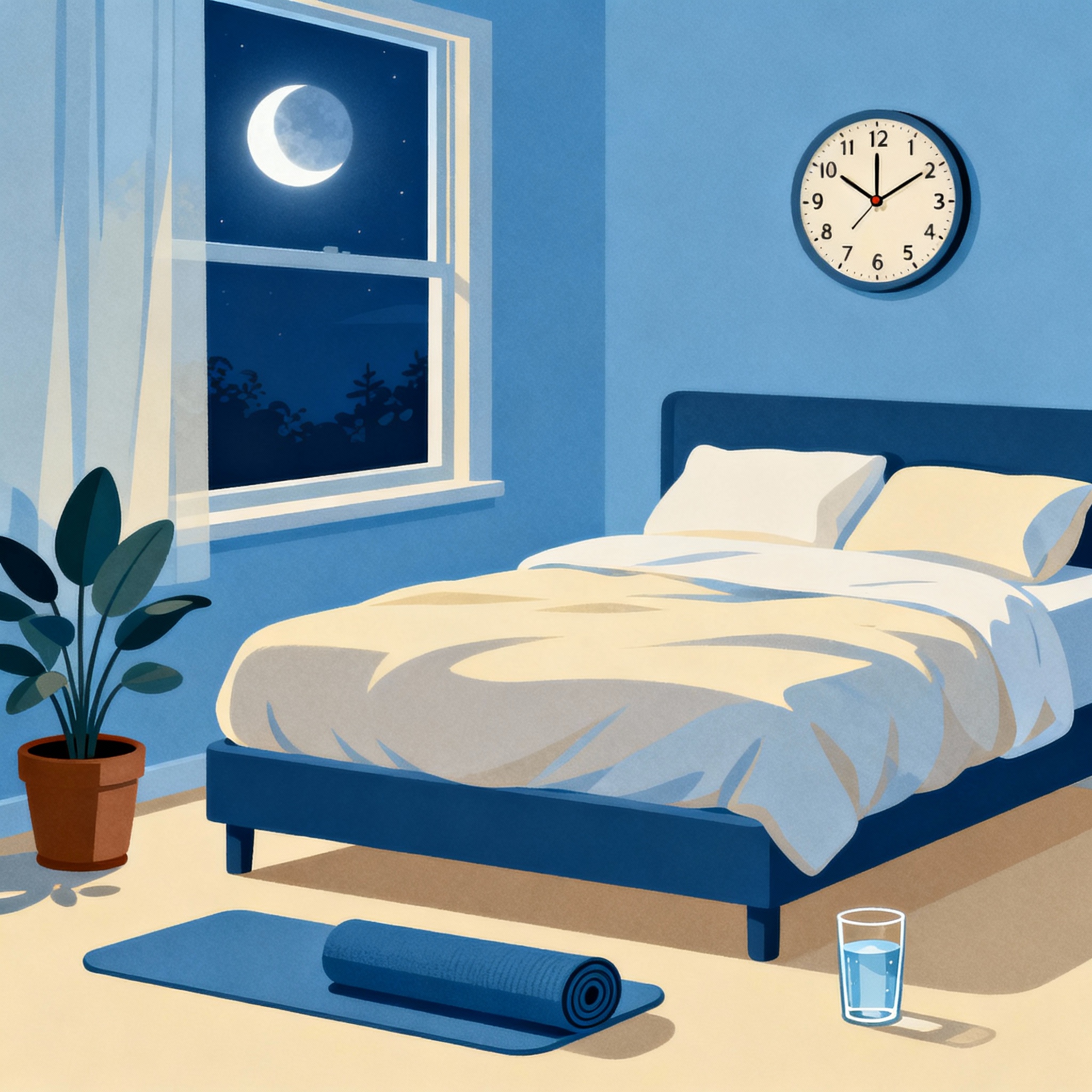
Getting quality sleep is essential for a long and healthy life. There are several steps you can take to improve sleep, you need to maintain a consistent sleep schedule. This means going to bed and waking up at the same time daily—even on weekends. You should create a restful environment. Keep your bedroom at the right temperature, dark, and quiet. Use blackout curtains or white noise if needed. You can limit screen time before bed, as blue light can disrupt melatonin production. Also, avoid caffeine, alcohol, and heavy meals in the evening, and engage in regular physical activity, which promotes deeper sleep. The process becomes a bit more difficult when sleep conditions, sleep medications, and longevity become involved. We are talking about health conditions, and medications, that are used by people, and are related to sleep and longevity.
Can Sleep Medications Help for Longevity?
Sleep medications, such as prescription sedatives or over-the-counter sleep aids, can provide short-term relief for insomnia or disrupted sleep. While they may help restore sleep temporarily, they do not replace the natural restorative processes of healthy, uninterrupted sleep. Long-term use of sleep medications can lead to dependence, tolerance, and side effects such as daytime drowsiness. Also it can cause cognitive impairment, and increased risk of falls—especially in older adults. Research indicates that natural sleep habits, are far more effective for promoting longevity than relying on medication. This means doing things like maintaining a consistent schedule, managing stress, and optimizing your sleep environment. For long-term health and lifespan benefits, focusing on lifestyle strategies that enhance natural sleep is the safer and more sustainable approach.
Sleep Disorders and Their Effects on Lifespan
Sleep disorders, including insomnia, sleep apnea, restless leg syndrome, and narcolepsy, can significantly impact health and longevity. Chronic sleep disruption increases the risk of heart disease, diabetes, obesity, and can cause cognitive decline, all of which can shorten lifespan. For example, obstructive sleep apnea causes intermittent oxygen deprivation, elevating blood pressure and stressing the cardiovascular system. This is, in turn, linked to higher mortality rates. Weakened immune function, mood disorders, and impaired metabolic regulation, further accelerating aging processes are sometimes can cause insomnia and poor-quality sleep . Early diagnosis and treatment of sleep disorders—through lifestyle changes, medical interventions, or continuous positive airway pressure (CPAP) therapy—can help mitigate these risks. Ultimately, prioritizing healthy sleep patterns and addressing underlying disorders is crucial for maintaining overall health, improving quality of life, and supporting a longer, healthier lifespan.
The Relationship Between Sleep and Aging
Sleep and aging are closely connected, as the quality and quantity of sleep change over time. As people age, they often experience lighter, shorter, and more fragmented sleep, which can affect overall health. Poor sleep in older adults is linked to cognitive decline, memory problems, and an increased risk of neurodegenerative diseases like Alzheimer’s. Additionally, insufficient sleep disrupts hormone regulation, immune function, and cellular repair, accelerating the physical aging process. On the other hand, maintaining 7–8 hours of high-quality sleep per night supports brain health, cardiovascular function, and metabolic balance, helping slow age-related decline. Consistent sleep patterns, a calm sleep environment, and healthy lifestyle habits can mitigate age-related sleep disruptions. In essence, prioritizing restorative sleep is not only vital for daily functioning but also a key factor in promoting healthy aging and extending lifespan.
Conclusion
In essence, sleep is a cornerstone of good health and longevity. Prioritizing sufficient, high-quality sleep can significantly reduce the risk of chronic diseases, enhance cognitive function, and improve overall well-being. By adopting healthy sleep habits and respecting our body’s natural rhythms, we can unlock the full potential of sleep to live longer, healthier lives. Remember, sleep is not a luxury—it’s a vital component of a long and fulfilling life.