Achieving long-term weight loss while also supporting a long and healthy life is one of the most researched goals in nutrition science. Many diets promise rapid results but very few are sustainable or beneficial for overall health over time. The best diet for long-term weight management and longevity is not a strict, one-size-fits-all plan, instead, it is a flexible, nutrient-rich eating pattern that emphasizes whole foods, balanced nutrition, and long-term habits rather than temporary restrictions. This article explores the science behind long-term weight control, compares the most effective diet patterns and identifies shared features of diets that help humans live longer, healthier lives.
Understanding Long-Term Weight Loss vs. Short-Term Dieting
Most traditional diets fail because they focus on quick calorie cuts instead of long-term lifestyle change. Many people treat dieting as a temporary fix, relying on strict rules, extreme restriction, or eliminating entire food groups. While this may lead to fast results, research shows that crash diets slow metabolism, making weight regain more likely. Harsh restrictions also raise stress hormones like cortisol, which increases cravings, emotional eating, and belly fat storage. These rigid approaches often lead to cycles of starvation and binge eating that harm both physical and mental health. Sustainable weight loss, by contrast, requires metabolic adaptation, healthier habits, and consistent eating patterns. Lasting success comes not from starving the body, but from training it to work more efficiently and supporting long-term health, not just losing a few pounds temporarily.
The Science of Longevity
Longevity research from Blue Zones to Mediterranean regions and large epidemiological studies—shows that the world’s longest-living populations share similar eating habits that protect the body at a cellular level. Their diets are naturally rich in plant-based foods, fiber, antioxidants, and healthy fats, all of which lower inflammation, improve insulin sensitivity, and support a diverse gut microbiome. Additionally, they consume very little processed food, sugar, or refined grains, which helps maintain stable blood sugar and reduces the risk of chronic disease. These populations also tend to eat moderately, not because of strict dieting, but because whole foods promote natural fullness. Additionally, long breaks between meals or early dinners function as gentle, unintentional fasting, allowing the body time for repair and cellular renewal. Together, these habits contribute to healthier aging and longer lifespans.
Diets That Support Long-Term Weight Loss And Longevity
Below are the dietary patterns that consistently show the best results for both goals. This diet is sustainable because it does not require strict rules or cutting out entire food groups.
The Mediterranean Diet
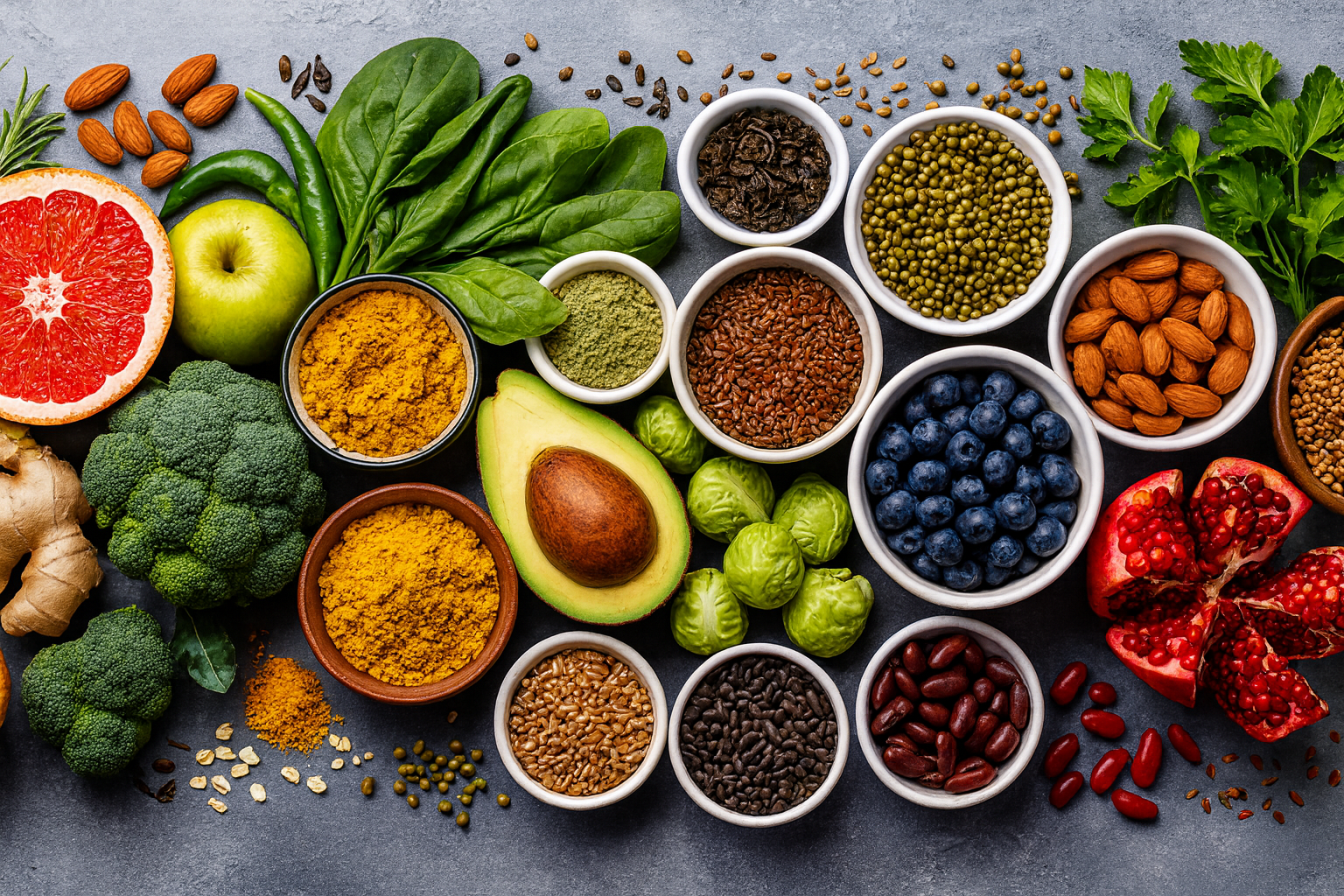
Considered the gold-standard diet for overall health. This diet is one of the most proven eating patterns for long-term health and weight control. Inspired by traditional diets in Greece, Italy, and Spain, it focuses on whole foods such as vegetables, fruits, whole grains, legumes, nuts, seeds, fish, and extra-virgin olive oil, while limiting red meat, processed foods, and added sugar.
Why it works for weight loss
This diet helps you eat fewer calories without feeling deprived. Its high fiber content slows digestion and keeps you full longer, while healthy fats from olive oil and nuts stabilize appetite and reduce cravings. Balanced meals prevent blood sugar spikes, and the emphasis on whole foods naturally reduces intake of processed, high-calorie snacks.
Why it supports longevity
The Mediterranean diet is linked to a lower risk of chronic disease and longer lifespan. Antioxidant-rich foods protect cells from aging, and olive oil plus omega-3-rich fish help reduce inflammation. It supports heart health, improves cholesterol and blood pressure, and lowers the risk of diabetes and certain cancers, making it one of the most powerful diets for lifelong wellness.
A Whole-Food Plant-Based Diet
Focuses heavily on minimally processed plant foods while limiting animal products. Populations in Japan, Loma Linda (USA), and other long-lived regions follow similar eating patterns.
Why it works for weight loss
Plant foods are naturally lower in calories yet high in volume, helping you feel fuller on fewer calories. Their rich fiber content slows digestion, stabilizes appetite, and prevents overeating. By minimizing processed foods, this diet also reduces intake of calorie-dense, high-sugar, and high-fat items that contribute to weight gain.
Why it supports longevity
A whole-food plant-based diet is strongly associated with lower rates of chronic diseases such as heart disease, diabetes, and certain cancers. Its nutrient-dense, antioxidant-rich foods reduce inflammation and oxidative stress, both key drivers of aging. It also promotes a healthy gut microbiome, which plays an important role in immunity, metabolism, and overall longevity.
The Flexitarian Diet
The Flexitarian diet is a mostly plant-based eating style that allows flexibility to include occasional servings of fish, dairy, eggs, or even meat. It is ideal for individuals who want the benefits of a plant-focused diet without fully committing to vegetarian or vegan restrictions.
Why it works for weight loss
Flexitarian eating supports weight loss through realistic and sustainable habits. Its flexibility improves long-term adherence because it avoids the rigidity that often leads people to quit strict diets. The focus on nutrient-dense plant foods increases fiber, vitamins, and antioxidants while reducing calorie intake. High-volume, low-calorie meals help keep you full, and balanced macronutrients prevent energy dips and cravings.
Why it supports longevity
This diet also delivers many of the longevity benefits seen in fully plant-based diets. It reduces consumption of saturated fats and processed meats, supporting heart health and lowering disease risk. The moderate inclusion of animal products helps prevent nutrient deficiencies by supplying protein, omega-3s, calcium, and B-vitamins. By emphasizing whole foods and limiting ultra-processed items, the Flexitarian diet reduces inflammation and supports a realistic, sustainable way of eating for lifelong wellness.
Intermittent Fasting (IF)
Intermittent fasting focuses on when you eat rather than what you eat. Common fasting windows include 16/8, 14/10, or 12/12. During fasting periods, the body uses stored fat for energy, improves metabolic function, and activates cellular repair mechanisms. Intermittent fasting works best when paired with a whole-food, nutrient-rich diet. Eating unhealthy foods during the eating window reduces or eliminates its health and longevity benefits.
Why it supports weight loss
Intermittent fasting helps with weight loss in a natural, sustainable way. By shortening the eating window, calorie intake usually decreases without strict rules. Fasting improves metabolic flexibility, allowing the body to switch to fat-burning more efficiently. It also enhances insulin sensitivity, which helps reduce fat storage, and discourages late-night eating, a habit strongly linked to poor metabolic health.
Why it supports longevity
IF may promote longevity through powerful biological mechanisms. Fasting triggers autophagy, the body’s natural cell-repair process that removes damaged components and improves cellular health. It reduces inflammation, improves insulin response, and lowers the risk of metabolic disorders. Emerging research also suggests fasting may support cognitive health and offer protection against age-related neurological decline.
The Ketogenic (Keto) Diet
The Ketogenic diet is a high-fat, very low-carbohydrate eating pattern designed to shift the body into ketosis, a metabolic state where fat becomes the primary energy source. Originally used as a treatment for epilepsy, it has gained popularity for rapid weight loss and improved metabolic control. A typical keto diet consists of about 70–75% fat, 20–25% protein and only 5–10% carbohydrates, usually from non-starchy vegetables, nuts, seeds and small portions of low-sugar foods.
Why it works for weight loss
Keto can be especially effective for individuals with insulin resistance or metabolic challenges. Drastically reducing carbohydrate intake lowers insulin levels, encouraging the body to burn stored fat. High-fat meals increase satiety, reducing hunger and overall calorie intake. Stable blood sugar helps prevent cravings and energy crashes, while the shift to fat metabolism accelerates fat loss. Many people also notice quick initial weight reduction due to decreased water retention.
Why it supports longevity
Although long-term research on keto and lifespan is still developing, several metabolic benefits support healthy aging. Keto improves insulin sensitivity, lowering the risk of type 2 diabetes—one of the most significant age-related diseases. When done with healthy fats like olive oil, nuts, and fatty fish, it can reduce inflammation and support heart and brain health. Ketones offer a cleaner energy source for cells, which may reduce oxidative stress and improve mitochondrial function. Better weight control and reduced visceral fat further contribute to long-term wellness and disease prevention.
Conclusion
There is no single perfect diet for everyone. Long-term weight loss and longevity are not achieved through quick fixes. Losing weight is hard. Keeping it off is even harder. In reality, the best diet for weight loss and longevity isn’t a strict plan, they come from building a healthy lifestyle and habits based on nutritious foods, sustainable eating patterns and balanced living. Whether you choose the Mediterranean, plant-based, Flexitarian, or DASH diet, focus on foods that nourish your body and habits that last. The key is to choose real foods, limit sugar and processed items and follow a plan you can stick to for life. When you eat well consistently, your body naturally finds its healthiest weight and stays there.