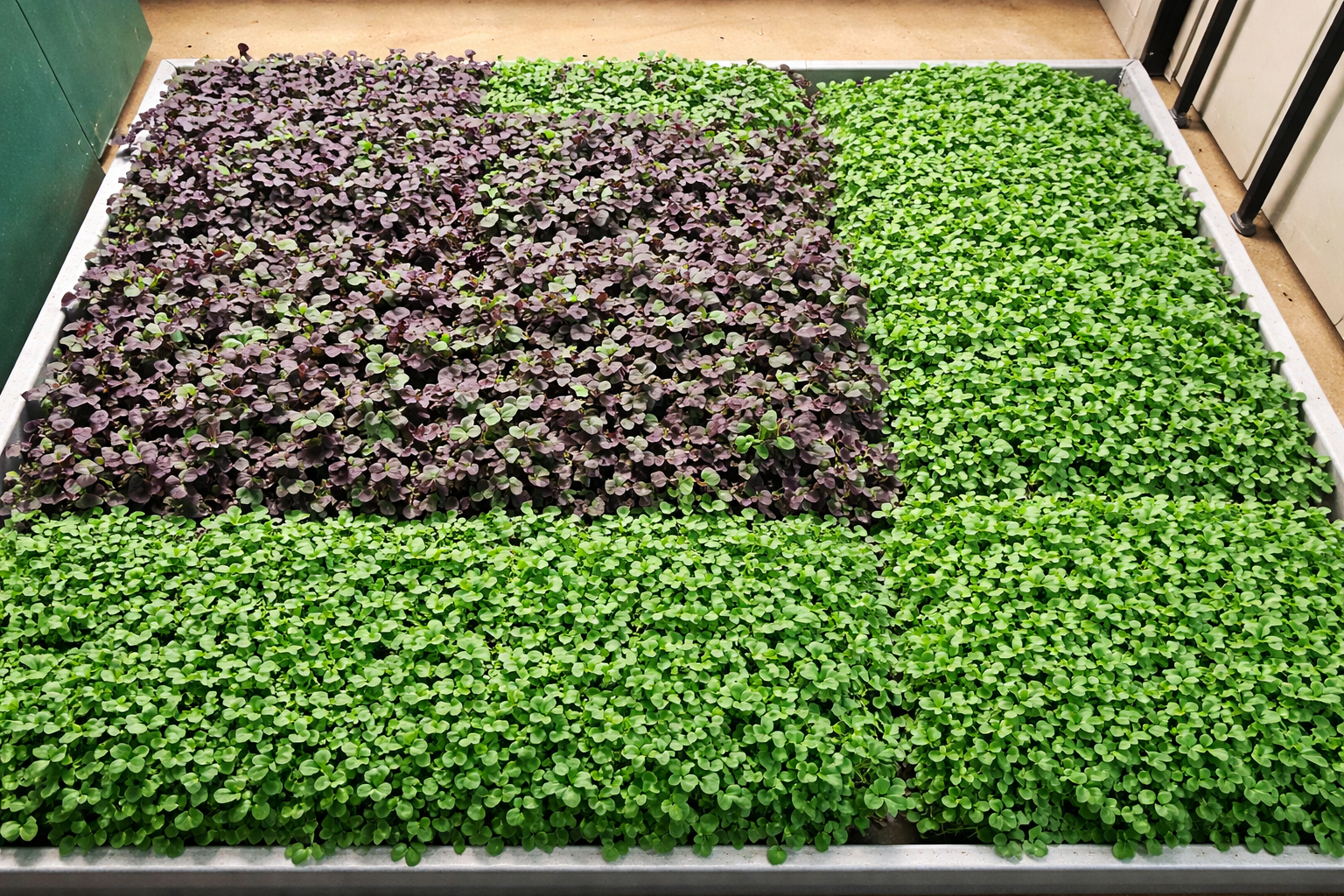
Microgreens are young, tender plants harvested at an early stage of growth, usually within 7 to 21 days after germination. Although small in size, microgreens are rich in nutrients, flavor, and color. Over the past decade, they have gained popularity among health professionals, chefs, and home gardeners due to their impressive nutritional value and versatility. This article explores microgreens in detail, including their health benefits, role in human nutrition, types, uses, and additional advantages beyond basic nutrition.
What Are Microgreens?
Microgreens are edible seedlings of vegetables, herbs, and grains. They are larger than sprouts but smaller than baby greens. Unlike sprouts, microgreens are grown in soil or growing media and are harvested after the first true leaves appear. Common microgreens include broccoli, radish, mustard, kale, spinach, basil, cilantro, and sunflower.
Nutritional Value of Microgreens
Microgreens are considered nutrient-dense foods. Research shows that many microgreens contain significantly higher concentrations of vitamins, minerals, and antioxidants compared to their mature plant counterparts. Because of this concentrated nutrient content, even small servings of microgreens can contribute meaningfully to daily nutrient intake.
Key nutrients found in microgreens include:
- Vitamins A, C, E, and K
- B-complex vitamins
- Minerals such as iron, calcium, magnesium, potassium, and zinc
- Antioxidants, including polyphenols and flavonoids
- Dietary fiber
- Plant-based compounds (phytochemicals)
Health Benefits of Microgreens
1. Rich in Antioxidants
Microgreens contain high levels of antioxidants, which help protect the body from oxidative stress caused by free radicals. Antioxidants play a key role in reducing inflammation and lowering the risk of chronic diseases such as heart disease, diabetes, and certain cancers.
2. Support Heart Health
Many microgreens, especially those from the Brassica family (such as broccoli, kale, and red cabbage), contain compounds that may help reduce bad cholesterol (LDL) and improve overall cardiovascular health. Their potassium and fiber content also supports healthy blood pressure.
3. Boost Immune Function
Vitamins C, A, and E found in microgreens are essential for a strong immune system. Regular consumption can help the body fight infections, support wound healing, and improve overall immune response.
4. Improve Digestive Health
Microgreens provide dietary fiber, which supports digestion, promotes healthy gut bacteria, and helps prevent constipation. A healthy digestive system is critical for nutrient absorption and overall wellness.
5. Support Eye and Skin Health
Microgreens rich in vitamin A, lutein, and beta-carotene support eye health and may reduce the risk of age-related vision problems. Antioxidants and vitamin C also promote collagen production, helping maintain healthy skin.
6. Help Manage Blood Sugar
Certain microgreens, such as fenugreek and broccoli microgreens, may help improve insulin sensitivity and regulate blood sugar levels, making them beneficial for people at risk of type 2 diabetes. While microgreens are generally safe, proper hygiene is important. Use clean water, quality seeds, and avoid overwatering to reduce the risk of mold or contamination. People on blood-thinning medications should monitor intake of vitamin K-rich microgreens.
Role of Microgreens in Human Nutrition
Microgreens play an important role in modern human nutrition by providing concentrated nutrients in a small volume of food. Microgreens can help address micronutrient deficiencies, such as iron, vitamin C, and vitamin K deficiencies, particularly when included regularly in balanced meals. They are especially valuable for:
- People with limited access to fresh vegetables
- Individuals with low appetite or increased nutrient needs
- Urban populations with limited growing space
- Diets focused on plant-based or functional foods
Types of Microgreens and Their Benefits
- Broccoli Microgreens: High in sulforaphane, known for anti-cancer and detoxifying properties.
- Radish Microgreens: Aid digestion and add spicy flavor; rich in vitamin C.
- Sunflower Microgreens: Provide healthy fats, protein, and vitamin E.
- Pea Shoots: Good source of plant protein, fiber, and vitamin K.
- Beet Microgreens: Support blood circulation and contain antioxidants.
- Basil and Cilantro Microgreens: Offer antimicrobial properties and digestive benefits.
Uses of Microgreens
Microgreens are highly versatile in cooking and meal preparation. Their intense flavor and attractive appearance also make them popular in professional kitchens. They can be used in:
- Salads and sandwiches
- Smoothies and juices
- Soups and stir-fries (added at the end)
- Garnishes for main dishes
- Wraps, omelets, and grain bowls
Conclusion
Microgreens are more than just a culinary trend. They are powerful, nutrient-dense foods that offer significant health benefits and play an important role in human nutrition. From boosting immunity and heart health to supporting sustainable food systems, microgreens provide a simple and effective way to improve diet quality. Including a variety of microgreens in daily meals can support longevity, long-term health, wellness and environmental sustainability.