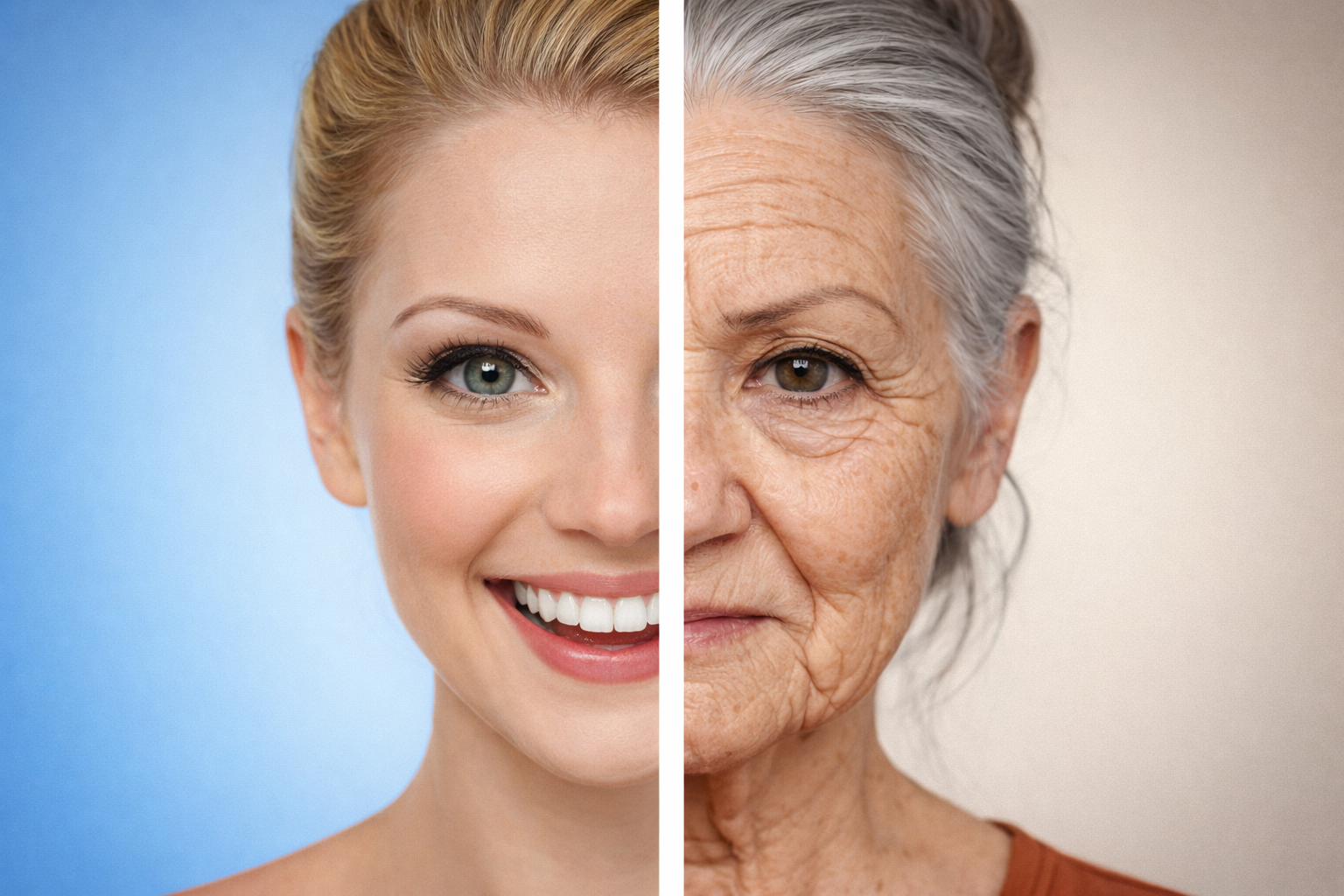
Aging is something every human experiences. Wrinkles appear, energy levels drop, recovery takes longer and the risk of disease increases. For centuries, people have searched for ways to slow aging or even reverse it. Today, modern science, combined with traditional wisdom, suggests that while we cannot fully stop time, we may be able to slow down aging and improve how we age naturally. So, can we reverse aging naturally? The honest answer is: we cannot fully reverse aging but the good news is that we can control how quickly and to what degree it unfolds.
What Is Aging?
Aging is a natural process that happens to every human being over time. It leads to several physiological changes throughout our lifespan. As we age, the body changes, energy levels decline, and the risk of disease increases. Some signs of aging are harmless, such as gray hair and wrinkles, while others can greatly affect our health and lifespan, including reduced mobility and a higher risk of disease. While aging cannot be stopped completely, research shows that we may be able to slow it down and improve how we age using natural methods. The focus is not on living forever but on living healthier and stronger for longer.
Chronological Age vs Biological Age
There are two types of age: chronological age, which is the number of years a person has lived, and biological age, which reflects how well the body and cells are functioning. Two people of the same chronological age can have very different biological ages depending on lifestyle, diet, stress and habits. Natural anti-aging focuses on lowering biological age rather than changing actual age.
What Causes Aging in the Body?
Aging in the body is the result of many slow, interconnected biological changes that happen over time rather than a single cause. As we grow older, our cells are constantly exposed to internal and external stress, including pollution, toxins, poor diet, radiation, and the natural byproducts of metabolism, which leads to gradual cellular damage. At the same time, the body often develops chronic, low-level inflammation that quietly harms tissues and organs over many years. Oxidative stress increases as free radicals build up and begin damaging DNA, proteins, and cell membranes. Hormone levels that support growth, repair, energy, and balance slowly decline, making it harder for the body to maintain strength and resilience. The mitochondria, which are responsible for producing energy inside cells, become less efficient, leading to fatigue and reduced cellular performance. In addition, telomeres—the protective caps at the ends of chromosomes shorten each time cells divide, eventually limiting the body’s ability to renew and regenerate tissues. Together, these changes weaken the body’s natural repair systems, slow recovery, and increase the risk of age-related diseases, making aging a gradual but complex biological process.
Natural Ways to Slow and Reverse Aging
1. Eat for cell repair
Whole, nutrient-rich foods like vegetables, fruits, nuts, seeds, legumes, fish, and healthy fats provide the vitamins, minerals, and antioxidants your cells need to repair damage, reduce inflammation, and function optimally. These foods help protect DNA, maintain healthy tissues, and support the body’s natural regeneration processes. On the other hand, consuming too much sugar, refined carbohydrates and heavily processed foods can increase inflammation, accelerate cellular damage, and speed up aging. By prioritizing a diet rich in whole, anti-inflammatory foods, you give your body the building blocks it needs to maintain vitality, strengthen resilience, and promote healthier, longer-lasting aging.
2. Support your mitochondria
Mitochondria produce the energy your body needs to repair tissues, maintain metabolism, and keep organs functioning efficiently. As we age, mitochondrial function naturally declines, leading to fatigue, slower healing, and reduced cellular repair. Regular physical activity, including walking, strength training, and short bursts of high-intensity exercise, stimulates mitochondrial efficiency and encourages the production of new mitochondria. Additionally, practices like intermittent fasting (12–16 hours daily) promote cellular cleanup and improve mitochondrial energy production. By keeping your mitochondria healthy and active, you enhance your body’s ability to regenerate, maintain vitality, and slow the visible and internal effects of aging.
3. Reduce chronic inflammation
Persistent inflammation damages tissues, accelerates cellular aging, and increases the risk of diseases such as heart disease, diabetes, and arthritis. You can combat this by adopting anti-inflammatory lifestyle habits: getting sufficient restorative sleep, managing stress through meditation, deep breathing, or quiet reflection, and eating anti-inflammatory foods like turmeric, ginger, olive oil, fatty fish, and leafy greens. Even small daily practices, such as short relaxation breaks or mindful breathing exercises, can significantly lower inflammation over time. By keeping inflammation in check, you protect your cells, support organ health, and promote a slower, healthier aging process.
4. Improve sleep quality
During deep sleep, the body performs essential repair processes, including fixing DNA damage, balancing hormones, and clearing toxins from the brain that can otherwise contribute to cognitive decline. Good sleep also supports immune function, metabolism, and heart health, all of which influence how quickly the body ages. To promote restorative sleep, aim for 7–9 hours each night, establish a consistent sleep schedule, avoid screens and bright lights before bed, and create a dark, cool, and quiet sleep environment. By prioritizing quality sleep, you give your body the time it needs to heal, regenerate, and maintain vitality, helping to slow the visible and internal effects of aging.
5. Protect your body from oxidative stress
Oxidative stress occurs when free radicals—unstable molecules produced by metabolism, pollution, or toxins—damage cells, proteins, and DNA, accelerating the aging process and increasing the risk of chronic diseases. Consuming natural antioxidants found in foods like berries, green tea, dark chocolate, nuts, and brightly colored vegetables helps neutralize these harmful molecules and protect cellular health. In addition, avoiding smoking, limiting exposure to pollution, and reducing environmental toxins further prevent oxidative damage. By minimizing oxidative stress, you support healthier cells, stronger immunity, and overall longevity, helping your body age more gracefully and maintain vitality.
6. Keep hormones balanced naturally
As we grow older, levels of key hormones like testosterone, estrogen, growth hormone, and thyroid hormones gradually decline, which can contribute to fatigue, weight gain, muscle loss, decreased metabolism, and cognitive changes. By adopting healthy lifestyle habits, we can help maintain hormone balance naturally: regular exercise stimulates hormone production and supports metabolism, sunlight exposure promotes vitamin D and hormone synthesis, eating healthy fats from sources like avocados, nuts, and olive oil supports hormone creation, quality sleep allows the body to regulate hormone cycles, and managing stress reduces the harmful effects of cortisol. Together, these practices help the body maintain energy, muscle mass, metabolism, mood, and overall vitality, slowing age-related decline and promoting healthier aging without the need for medication.
7. Maintain muscle and bone strength
Muscle loss is a major sign of aging. Engaging in regular strength training or resistance exercises two to three times per week helps preserve muscle mass, improve insulin sensitivity, and support a healthy metabolism. Strong muscles also provide better support for joints, reduce the risk of falls and injuries, and help maintain bone density, which can prevent osteoporosis. Combining strength exercises with weight-bearing activities, proper nutrition, and adequate protein intake ensures the body stays strong, resilient, and more capable of handling the physical challenges of aging.
8. Support gut health
Supporting gut health is essential for healthy aging because the gut plays a key role in digestion, immunity, and inflammation control. A balanced gut microbiome helps the body absorb nutrients more efficiently and reduces chronic inflammation, which is closely linked to aging and many diseases. Eating fiber-rich foods such as fruits, vegetables, whole grains, and legumes, along with fermented foods like yogurt, kefir, sauerkraut, and kimchi, helps nourish beneficial gut bacteria. At the same time, avoiding unnecessary use of antibiotics and highly processed foods protects the gut environment, supporting overall health and slower aging over time.
9. Stay mentally active and socially connected
Activities such as learning new skills, reading, solving problems, and engaging in creative hobbies keep the brain stimulated and support memory, focus, and thinking ability. At the same time, maintaining social connections through conversations, friendships, and community involvement reduces stress and supports emotional well-being. Mental inactivity and social isolation, on the other hand, can speed up cognitive decline and overall aging, while an active and connected lifestyle helps the mind stay sharp for longer.
10. Be consistent, not extreme
Reversing aging naturally is not about extreme routines or short-term solutions, but about consistency in everyday habits. Simple actions such as eating well, staying active, sleeping properly, managing stress, and caring for mental health may seem small, but when practiced daily, they support cellular repair and resilience over time. Extreme approaches are often hard to maintain and can even cause harm, while steady, balanced habits create lasting improvements and promote healthier, slower aging in the long run.
11. Play Brain Games
Playing brain games keeps the brain active and challenged, which helps maintain memory, attention, and problem-solving skills as we age. Activities like puzzles, chess, Sudoku, crosswords, memory-matching games, and strategy-based video games stimulate different parts of the brain and encourage new neural connections to form. This mental exercise supports brain plasticity, slows age-related cognitive decline, and may even help restore certain thinking abilities over time. By regularly engaging the brain, these games also reduce mental sluggishness, improve reaction time, and support overall brain health, contributing to slower and healthier aging naturally.
Conclusion
Aging is inevitable but how well we age depends largely on daily lifestyle choices. Natural aging reversal does not mean stopping time or becoming immortal. It means slowing biological aging, supporting the body’s repair systems, reducing disease risk, and maintaining energy and mental clarity. By supporting the body’s natural repair systems and making consistent healthy choices, we can age more slowly, more gracefully and with greater vitality.