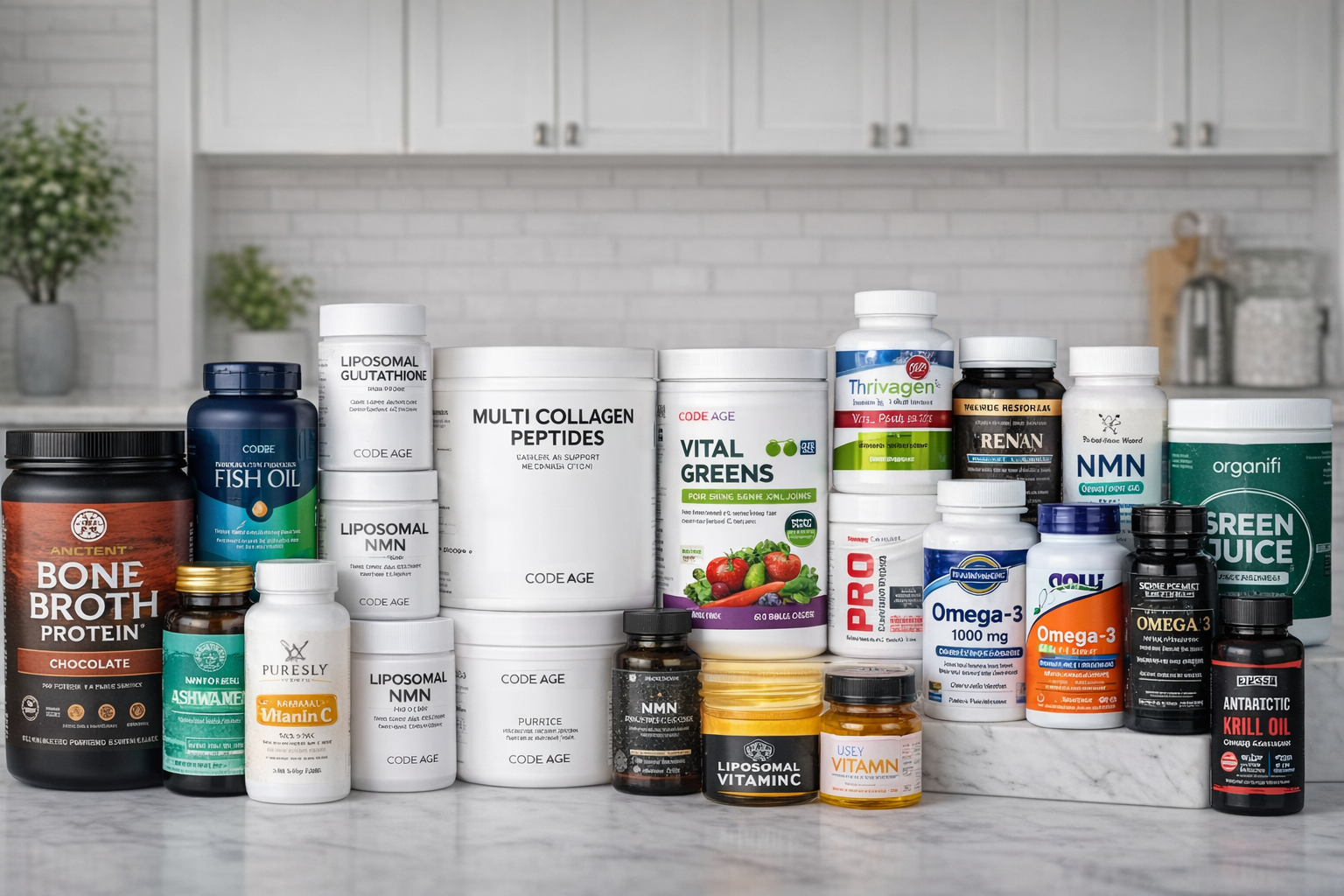
While a balanced diet and regular exercise are the foundations of a long life, many people look to supplements to give their cells an extra edge. In the field of longevity science, researchers focus on molecules that help to repair DNA, boost energy and clear out old, damaged cells. Many supplements show promise in supporting cellular health, metabolic balance, immune function and age-related disease risk reduction. This article will explain about 15 most popular supplements in 2026.
1. NAD+ Boosters (NMN and NR)
NAD+ is a vital molecule present in every cell of the body. It plays a key role in converting the food we eat into usable energy and helps repair damaged DNA. As we age, NAD+ levels naturally decline, which slows down cellular repair and energy production. NMN (Nicotinamide Mononucleotide) and NR (Nicotinamide Riboside) are popular supplements because they serve as direct precursors to NAD+. By increasing NAD+ levels, these compounds help support healthier mitochondria, improved metabolism, and better cellular repair essentially helping cells function more like they did when we were younger.
2. Resveratrol
Resveratrol is a plant compound most commonly found in red grape skins, berries, and red wine. It is well known for activating sirtuins, often called longevity genes, which help regulate cellular repair, inflammation, and stress resistance. These genes become especially important as the body ages. Resveratrol is frequently paired with NAD+ boosters because together they support cellular survival pathways, improve metabolic health, and may slow age-related decline at the cellular level.
3. Vitamin D3 (+ Vitamin K2)
Vitamin D3 is essential for long-term health and is involved in immune function, brain health, muscle strength, and hormone balance. Many people are deficient due to limited sun exposure. Vitamin K2 is often taken alongside D3 because it directs calcium to the bones and teeth instead of allowing it to accumulate in arteries. This combination supports strong bones while also protecting heart health, making it especially important as we age.
4. Omega-3 Fatty Acids (Fish Oil)
Omega-3 fatty acids are essential fats that the body cannot produce on its own. They are widely known for their ability to reduce chronic inflammation, which is a major contributor to aging and age-related diseases. Omega-3s support heart health, brain function, joint flexibility, and eye health. Research also suggests they may help protect telomeres, the protective ends of DNA that shorten as we age.
5. Magnesium
Magnesium is involved in hundreds of biochemical reactions in the body, including energy production, nerve signaling, muscle relaxation and sleep regulation. It also plays a role in DNA repair and stress management. Because modern diets are often low in magnesium, deficiency is common. Maintaining adequate magnesium levels can help improve sleep quality, reduce muscle cramps, and support cognitive clarity as we grow older.
6. Spermidine
Spermidine is a naturally occurring compound found in foods like wheat germ, soybeans, and aged cheese. It is best known for activating autophagy, the body’s internal cleaning and recycling system. Autophagy removes damaged or dysfunctional cell components and replaces them with healthier ones. This process is crucial for maintaining cellular health, reducing disease risk, and supporting longevity.
7. Curcumin (Turmeric)
Curcumin is the main active compound in turmeric and is widely recognized for its strong anti-inflammatory and antioxidant properties. Chronic inflammation sometimes called ‘inflammaging’ is a major driver of aging and many chronic diseases. Curcumin helps protect joints, supports cardiovascular health and may help preserve cognitive function by reducing long-term inflammation throughout the body.
8. Coenzyme Q10 (CoQ10)
CoQ10 is a compound that helps mitochondria produce energy efficiently. Mitochondria are often referred to as the ‘power plants’ of cells, and their function declines with age. CoQ10 levels also decrease over time, especially in people taking statin medications. Supplementing with CoQ10 supports heart health, brain function, and overall energy levels by keeping cellular energy production running smoothly.
9. Fisetin
Fisetin is a flavonoid found in fruits like strawberries and apples. It has gained attention for its senolytic properties, meaning it helps the body identify and remove senescent cells. These cells no longer function properly but remain in the body, releasing inflammatory signals that damage healthy tissue. Clearing them out may reduce inflammation and improve overall tissue function as we age.
10. Quercetin
Quercetin is a plant-based antioxidant found in onions, apples and leafy greens. Like fisetin, it supports the removal of damaged cells and helps protect against oxidative stress. Quercetin also supports blood vessel health, immune function, and may help reduce allergy symptoms by stabilizing histamine release. Its broad protective effects make it a popular supplement for healthy aging.
11. Collagen
Collagen is the most abundant protein in the human body and acts as the structural framework for skin, joints, bones and connective tissue. As collagen production decreases with age, signs such as wrinkles, joint stiffness and weaker tendons become more noticeable. Collagen supplements provide the amino acids needed to support skin elasticity, joint mobility and overall structural strength.
12. Creatine
Creatine is commonly associated with muscle building, but its benefits extend far beyond fitness. It helps regenerate ATP, the main energy source for both muscles and the brain. As we age, creatine can help prevent muscle loss, support strength and improve mental performance. Maintaining muscle mass is critical for balance, mobility and independence later in life.
13. Vitamin C
Vitamin C is a powerful antioxidant that protects cells from oxidative damage caused by pollution, toxins and normal metabolism. It also plays a crucial role in collagen synthesis, wound healing, and immune defense. Regular intake supports healthy skin, blood vessels and a strong immune system, all of which become more important with age.
14. Astaxanthin
Astaxanthin is a natural red pigment found in algae, salmon, and shrimp. It is one of the most potent antioxidants known, offering exceptional protection against oxidative stress. Astaxanthin supports skin health by protecting against UV damage, improves eye health and helps reduce inflammation throughout the body, making it especially valuable for long-term aging support.
15. Taurine
Taurine is an amino acid that supports many vital processes, including nerve function, muscle contraction, and fluid balance. Recent research has shown that taurine levels decline with age, and maintaining adequate levels may improve bone density, muscle strength, and metabolic health. Animal studies suggest taurine supplementation may even extend lifespan, making it an exciting area of longevity research.
Important Safety Note
Supplements are meant to support a healthy lifestyle, not replace it. Before starting any supplement, it’s important to check with a doctor, especially if you are taking medications or have existing health conditions. You should also choose products that are third-party tested by trusted organizations like NSF or USP to make sure the ingredients and dosages match what’s listed on the label. It’s best to start slowly, as adding many supplements at once can upset your stomach or make it hard to know what’s helping or causing side effects. Focus first on good nutrition, regular exercise, quality sleep, and stress management. Supplements work best when they are used to fill gaps, not as a shortcut to good health.