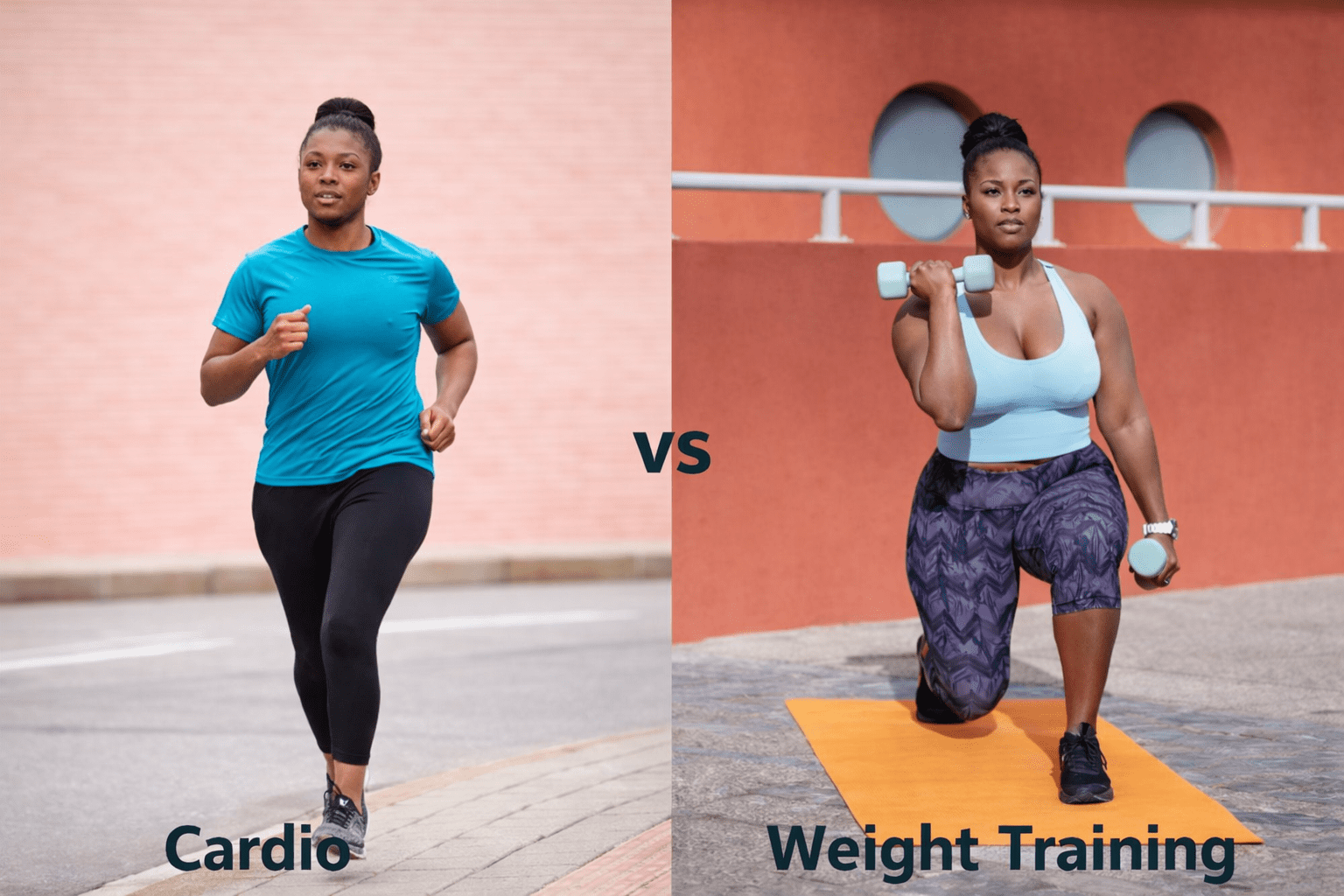
When it comes to living a longer, healthier life, regular exercise is one of the most powerful and proven tools at our disposal. But with so many different types of workouts, a common question arises: Which form of exercise is most effective for longevity—cardio or weight training? The truth is, both have unique benefits that contribute to longevity. Understanding how each works and how they complement each other can help you make smarter exercise choices that support a long, active life.
What is Longevity?
Longevity means how long a person lives, but today the idea is much broader than just reaching an old age. True longevity means staying physically active, mentally sharp, socially connected, and functionally independent for as long as possible. It aims to delay or reduce chronic diseases such as heart disease, diabetes, dementia, and osteoporosis, which often reduce quality of life in later years.
Healthy longevity includes the ability to perform daily activities without major limitations — walking, climbing stairs, carrying items, thinking clearly, and making decisions independently. It is closely linked to lifestyle factors such as regular exercise, good nutrition, proper sleep, stress control, and avoiding harmful habits like smoking. Among these, exercise is one of the strongest and most reliable tools. Regular physical activity helps control disease risk, supports brain health, preserves muscle and bone strength and maintains mobility as we age. Simply put, longevity is not just about living longer, it is about living stronger, more capable and more fully throughout those extra years.
What is Cardio Exercise?
Cardiovascular exercise often called aerobic exercise is one of the most studied lifestyle factors linked to longer life. Activities like brisk walking, running, cycling, swimming, rowing and dancing do much more than burn calories. They create deep, system-wide improvements in how the body functions and ages. Research consistently shows that regular cardio training supports multiple biological systems that directly influence longevity.
How Cardio Works in the Body
When you perform cardio exercise, your body goes through a series of coordinated changes designed to deliver more oxygen and energy to working muscles. As movement begins—such as brisk walking, running or cycling—your muscles demand more oxygen, causing your heart rate to increase. In response, your lungs work harder to take in oxygen while your heart pumps faster to circulate oxygen-rich blood throughout the body. Blood vessels widen, improving circulation to vital organs, including the brain, and allowing nutrients and oxygen to reach muscles more efficiently. At the same time, your body uses this oxygen to convert stored carbohydrates and fats into usable energy (ATP). With regular cardio training, the heart adapts by becoming stronger and more efficient, pumping more blood with each beat and requiring fewer beats to perform the same level of work. Common types of cardio exercises include running or jogging, which significantly boosts heart rate and endurance. Cycling, a joint-friendly option ideal for longer sessions. Swimming, a full-body workout that enhances heart and lung capacity with minimal impact. Brisk walking, an accessible yet effective form of cardio when done consistently at a fast pace and rowing, which uniquely combines cardiovascular conditioning with muscular engagement for both heart and strength benefits.
How Cardio Supports Longevity
1. Improves Heart and Vascular Health
Cardio exercise plays a powerful role in strengthening the heart muscle, allowing it to pump blood more efficiently with each beat. As the heart becomes stronger, it can circulate oxygen-rich blood throughout the body with less effort, which lowers resting heart rate and reduces overall strain on the cardiovascular system. Regular cardio also improves the flexibility and function of blood vessels, enhancing blood flow to vital organs and tissues. Over time, this helps regulate blood pressure and supports healthier cholesterol levels by increasing good HDL cholesterol while reducing harmful LDL cholesterol. These combined effects significantly reduce the risk of heart disease, stroke and arterial blockages—some of the most common causes of early mortality worldwide.
2. Enhances Metabolic Health
Cardio exercise improves the body’s ability to manage blood sugar by increasing insulin sensitivity, allowing cells to absorb glucose more efficiently. This reduces the workload on the pancreas and helps stabilize energy levels throughout the day. As a result, regular cardio lowers the risk of developing type 2 diabetes and metabolic syndrome, both of which are strongly linked to accelerated aging. Cardio also enhances fat metabolism by teaching the body to use stored fat more effectively for energy, especially during sustained activity. In addition, it helps reduce chronic low-grade inflammation, a key driver of many age-related diseases and metabolic decline.
3. Supports Healthy Weight Management
Engaging in cardio burns calories during the activity itself while also increasing overall daily energy expenditure. Over time, this helps maintain a healthy body weight and supports a balanced body fat percentage. Cardio is particularly effective at preventing the buildup of visceral fat, the deep abdominal fat that surrounds vital organs and increases the risk of heart disease and insulin resistance. By supporting long-term energy balance, cardio helps keep metabolism stable rather than fluctuating with age. This consistency makes it easier to maintain a healthy weight without extreme dieting or metabolic slowdown.
4. Protects Brain and Cognitive Function
Cardio increases blood flow and oxygen delivery to the brain, providing essential nutrients that support brain cell health and performance. This improved circulation enhances memory, focus, and learning ability, helping the brain stay sharp over time. Regular aerobic activity has been shown to reduce the risk of age-related cognitive decline and neurodegenerative conditions such as dementia. Cardio also supports neuroplasticity, the brain’s ability to form new connections and adapt to challenges. This adaptability helps preserve mental flexibility and cognitive resilience as you grow older.
5. Improves Mental and Emotional Well-Being
During cardio exercise, the body releases endorphins and other feel-good chemicals that naturally elevate mood and promote a sense of well-being. At the same time, cardio helps reduce stress hormones like cortisol, which can damage both physical and mental health when chronically elevated. Consistent aerobic activity is associated with a lower risk of depression and anxiety, especially as stress levels accumulate with age. Over time, cardio builds emotional resilience by improving the body’s ability to cope with psychological stress. This leads to better emotional balance and a more stable mental state in daily life.
6. Increases Physical Endurance and Functional Capacity
Cardio improves stamina by training the heart, lungs, and muscles to work more efficiently together. This reduces fatigue during everyday activities such as walking, climbing stairs, or carrying groceries. As endurance improves, mobility and independence are better preserved, which is critical for maintaining quality of life with age. Cardio also boosts overall energy levels, making it easier to stay active rather than sedentary. By supporting physical resilience, regular aerobic exercise helps people remain capable and confident in their physical abilities well into older adulthood.
What Is Weight Training?
Weight training — also called resistance training or strength training — involves exercises that force muscles to work against resistance. The goal is to increase muscle strength, size, and endurance while improving overall functional capacity. This resistance can come from free weights, machines, bodyweight, or external tools such as resistance bands. Beyond building muscle, weight training also supports joint stability, metabolic health and long-term physical resilience as the body ages
How Weight Training Works in the Body?
Weight training works by applying controlled resistance to the body, which places stress on muscle fibers and creates tiny micro-tears within the tissue. During the recovery phase, the body repairs these fibers and adapts by rebuilding them thicker and stronger, leading to increased muscle size and strength over time. At the same time, the nervous system becomes more efficient at activating muscle fibers, improving coordination, control, and overall force production. As resistance is gradually increased through progressive overload, the muscles are continually challenged, preventing plateaus and encouraging ongoing adaptation. This process does not only affect muscles—bones respond by increasing density, while tendons and ligaments become stronger and more resilient, enhancing overall structural integrity. Weight training can be performed in several effective forms, including free weights like dumbbells and barbells, which engage multiple muscle groups and improve stability; machines, which guide movement patterns and are especially helpful for beginners; and bodyweight exercises, which use your own mass as resistance to build strength, balance, and functional control.
How Weight Training Supports Longevity?
Muscle Preservation
As people age, muscle mass naturally declines in a process known as sarcopenia, which can lead to weakness, reduced mobility, and loss of independence. Weight training directly counters this process by stimulating muscle growth and preserving existing muscle tissue. By regularly challenging the muscles with resistance, strength training helps maintain strength, power, and functional capacity over time. This preservation of muscle plays a major role in preventing frailty and reducing the risk of physical dependence in later years. Research consistently shows that greater muscle strength is strongly associated with a lower risk of all-cause mortality, making muscle preservation a cornerstone of longevity.
Bone Health
Weight training places-controlled stress on the bones through resistance and load-bearing movements. In response to this stress, bones adapt by increasing mineral density and becoming stronger over time. This process significantly reduces the risk of osteoporosis, a condition that weakens bones and increases fracture risk with age. Stronger bones also lower the likelihood of serious injuries from falls or minor accidents. Since fractures in older adults can lead to long-term disability or life-threatening complications, maintaining bone strength is essential for long-term mobility, resilience, and survival.
Metabolic Health
Muscle tissue is metabolically active, meaning it burns more calories even when the body is at rest. As weight training increases or preserves muscle mass, it raises resting metabolic rate and improves overall energy efficiency. Strength training also enhances the ability of muscles to absorb glucose from the bloodstream, improving insulin sensitivity and blood sugar control. This reduces the risk of type 2 diabetes and excessive fat accumulation, particularly around vital organs. By supporting a more efficient metabolism, weight training helps counter age-related metabolic slowdown and promotes healthier aging.
Balance, Stability and Mobility
Weight training strengthens not only large muscle groups but also the core and stabilizing muscles that support balance and posture. Improved muscular control enhances coordination and joint stability, making everyday movements safer and more efficient. As strength and stability improve, the risk of falls decreases significantly—a critical factor since falls are a leading cause of injury and loss of independence in older adults. Strength training also supports joint health by improving movement control and reducing unnecessary strain. Together, these benefits make resistance training a powerful tool for maintaining mobility, confidence, and physical safety throughout the aging process.
Conclusion
When it comes to longevity, there is no competition between cardio and weight training—the greatest benefits come from combining both. Together, they create a resilient body capable of maintaining mobility, independence, and vitality with age. For long-term success, the key is to start where you are and build from there, rather than chasing intensity or perfection. Even moderate activity, when done consistently, delivers powerful benefits over time. Progress should be gradual—slowly increasing duration, distance, or resistance allows the body to adapt safely while reducing the risk of injury or burnout. Listening to your body is essential, as rest and recovery are just as important as training itself for long-term progress. Personalizing your approach also matters; working with a trainer or adjusting your routine around existing health conditions can make exercise safer, more effective, and more sustainable. A balanced routine that blends cardio exercise with weight training is one of the most powerful strategies for living longer and aging with strength, confidence and a higher quality of life.