The clock ticks for everyone, and with each tick, our bodies undergo change. Time doesn’t stop for anyone and with every passing day, our bodies quietly change. Imagine your body as a finely tuned car—over the times, parts can wear down, get rusty, or just stop working as well. Exercise is like giving your body a full tune-up. It cleans out the “rust” that can harm your cells, repairs worn-out parts and keeps everything running smoothly. Staying active strengthens your heart, lungs, muscles, and bones, sharpens your mind, and even boosts your immunity. The best part? It doesn’t just slow down aging, it gives you more energy, independence, and years to enjoy life fully. In short, exercise is the secret engine that keeps your body young, strong, and ready for the road ahead. This article will explore why exercise is important for longevity and reversing the effects of aging, identify the most effective types of exercises, the science behind it and provide practical guidance for designing a personalized exercise plan that promotes lifelong health and well-being.
What Science Says About Exercise for Longevity and Reverse Aging
Scientific research consistently demonstrates that regular exercise is one of the most effective ways to slow aging and promote longevity. At the cellular level, physical activity reduces oxidative stress and lowers chronic inflammation, often called “inflammaging,” which is linked to many age-related diseases. Exercise also supports mitochondrial health by stimulating mitochondrial biogenesis, enhancing energy production and overall cellular vitality. Additionally, it helps maintain telomere length, the protective caps on chromosomes that naturally shorten with age, and activates autophagy, the body’s process for clearing damaged cells and regenerating healthy ones. Beyond these cellular effects, exercise improves insulin sensitivity, helping to regulate blood sugar and reduce the risk of metabolic disorders. It also preserves muscle mass, strengthens bones, and enhances balance, reducing frailty and injury risk in later life. Moreover, regular activity supports cognitive health, improving blood flow to the brain, boosting neuroplasticity, and lowering the risk of dementia. Together, these benefits demonstrate that exercise does more than add years to life.
The Best Types of Exercises for Increased Life Expectancy and Reverse Aging
Aerobic (Cardiovascular) Exercise
Cardiovascular activities like brisk walking, jogging, cycling, swimming, dancing, rowing, and hiking strengthen the heart and lungs, improve blood circulation, regulate blood pressure and cholesterol, and reduce the risk of heart disease. They also boost endurance, energy, and mood. Aim for at least 150 minutes of moderate-intensity or 75 minutes of vigorous-intensity activity per week.
Strength / Resistance Training
Strength exercises such as weightlifting, resistance bands, push-ups, squats, lunges, and kettlebell routines help preserve muscle mass, prevent sarcopenia, strengthen bones, enhance metabolism, and support hormone balance. Engage in full-body strength sessions 2–3 times per week.
Flexibility Exercises
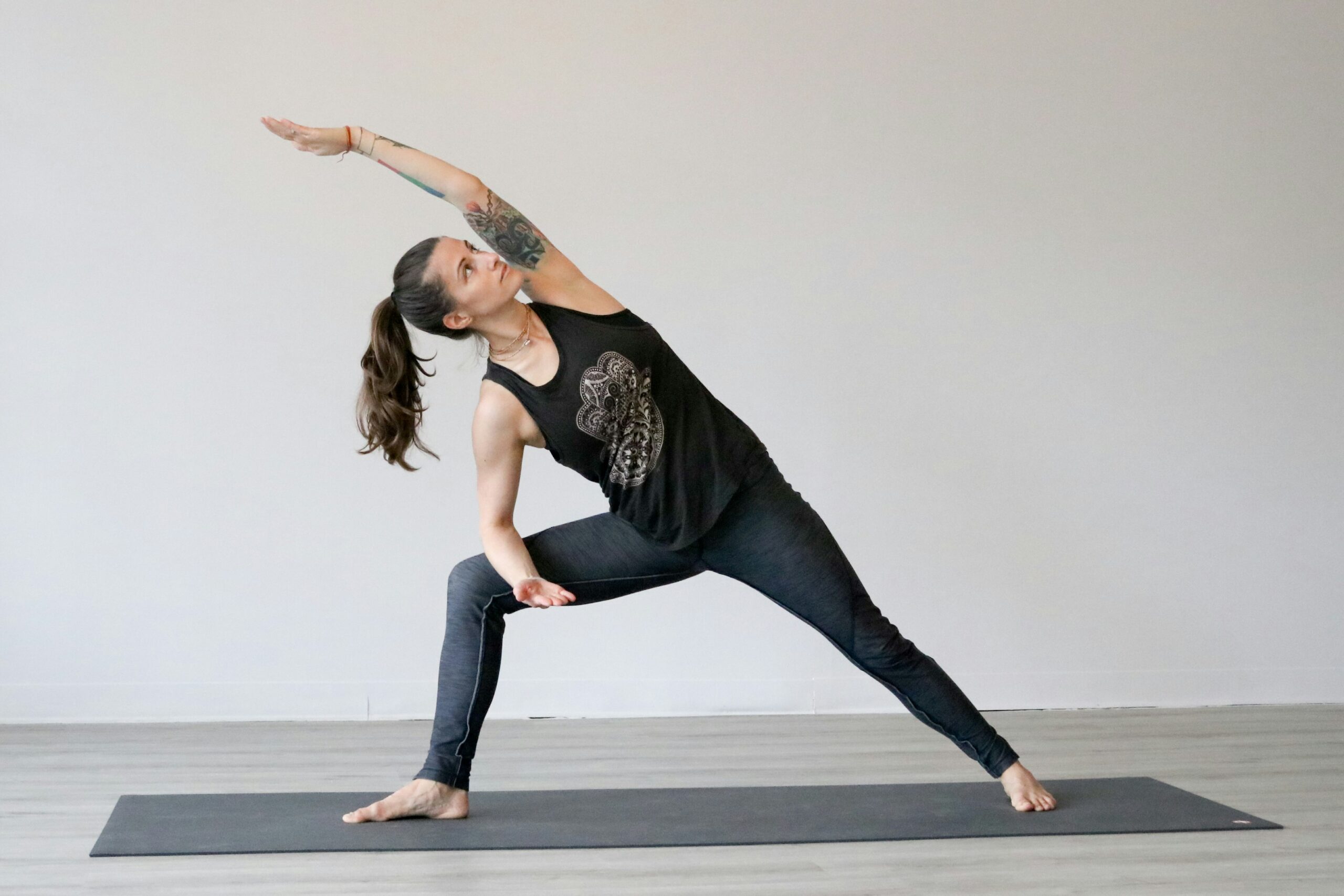
Activities like yoga, Pilates, dynamic stretching, and foam rolling maintain joint mobility, prevent stiffness, and improve posture. Incorporate these daily or several times per week to preserve functional movement.
Balance and Stability Training
Balance exercises reduce fall risk and enhance coordination, posture, and functional independence. Examples include Tai Chi, single-leg stands, heel-to-toe walking, and stability ball exercises. Practice these daily or 2–3 times per week.
High-Intensity Interval Training (HIIT)
Short bursts of intense activity followed by recovery periods improve cardiovascular fitness, mitochondrial function, and insulin sensitivity. Suitable for healthy adults, HIIT can be adapted for beginners. 1–2 sessions per week are sufficient for anti-aging benefits. Consult a doctor before starting if you have health conditions.
Low-Impact Functional Movement
Walking, swimming, water aerobics, gentle cycling, and gardening support daily activity, improve circulation, and counter sedentary effects. Aim for daily movement or at least 8,000–10,000 steps per day.
Mind-Body Practices
Reduces stress and cortisol, boosts mood and cognitive function, improves flexibility, balance, and breathing. Yoga, Tai Chi, Qigong, mindful walking, breathing exercises. It Reduces stress and cortisol, boosts mood and cognitive function, improves flexibility, balance, and breathing. 2–3 sessions per week or daily short sessions (10–20 minutes).
Core & Postural Training
Planks, bridges, Pilates core exercises, medicine ball rotations. Strengthens abdominal, back, and pelvic muscles, improves posture, prevents lower back pain, and supports stability in daily activities. 2–3 sessions per week, integrated with strength training or functional movement.
How to Set a Longevity Exercise Plan
Creating your own exercise plan doesn’t have to be complicated. The key is balance, personalization, and consistency. Here’s how you can do it step by step:
Consult Your Doctor
Before beginning any new exercise routine, especially if you have existing medical conditions or are over 40, it’s wise to consult any physician to get medical clearance. This ensures your plan is safe and tailored to your health needs.
Assess Your Current Fitness Level
Be realistic about where you are starting. If you’re a beginner, start small perhaps with walking or light stretching and gradually increase intensity and duration. This prevents injuries and helps you build confidence.
Integrate a Variety of Exercises
Longevity requires a mix of training styles. Combine aerobic, strength, flexibility, and balance exercises throughout your week. This ensures comprehensive benefits.
Prioritize Consistency Over Intensity
Regularity is key. It’s better to exercise regularly than to push too hard and burn out. Even short, consistent bursts of activity are better than sporadic, intense sessions followed by long breaks.
Listen to Your Body
Your body communicates when it needs rest. Pay attention to signals of fatigue, soreness, or pain, and don’t ignore recovery. Rest days are crucial for repair, growth, and long-term progress.
Make It Enjoyable
The best exercise plan is one you actually enjoy. Whether it’s hiking in nature, playing a sport, dancing, gardening, or swimming, choose activities that feel less like a chore and more like a source of joy. Enjoyment makes consistency easier.
Set Smart Goals
Clear goals keep you motivated. Ensure they are Specific, Measurable, Achievable, Relevant, and Time-bound. For example, “I will walk briskly for 30 minutes, 5 days a week for the next month.”
Consider Professional Guidance
A certified trainer or exercise physiologist can help you to design a safe and effective plan tailored to your goals and limitations. Professional guidance can also help you progress properly, correct form, and stay accountable.
Track and Adjust
Monitor your progress with a journal, fitness tracker, or app. As your fitness improves, adjust your plan to increase challenge and variety. Longevity fitness is not static—it evolves with you.
Conclusion
Beyond physical benefits, exercise enhances mood, energy, and vitality, allowing you to enjoy daily activities and pursue your passions with confidence. By making it a regular part of your life, you are not just exercising; you are investing in a healthier, more vibrant future. It’s a simple step that can have a huge impact on how long you live and how great you feel while doing it. Exercise acts as a natural anti-aging therapy. With the right approach, exercise can truly turn back the biological clock and helping you not only add years to your life but add life to your years.