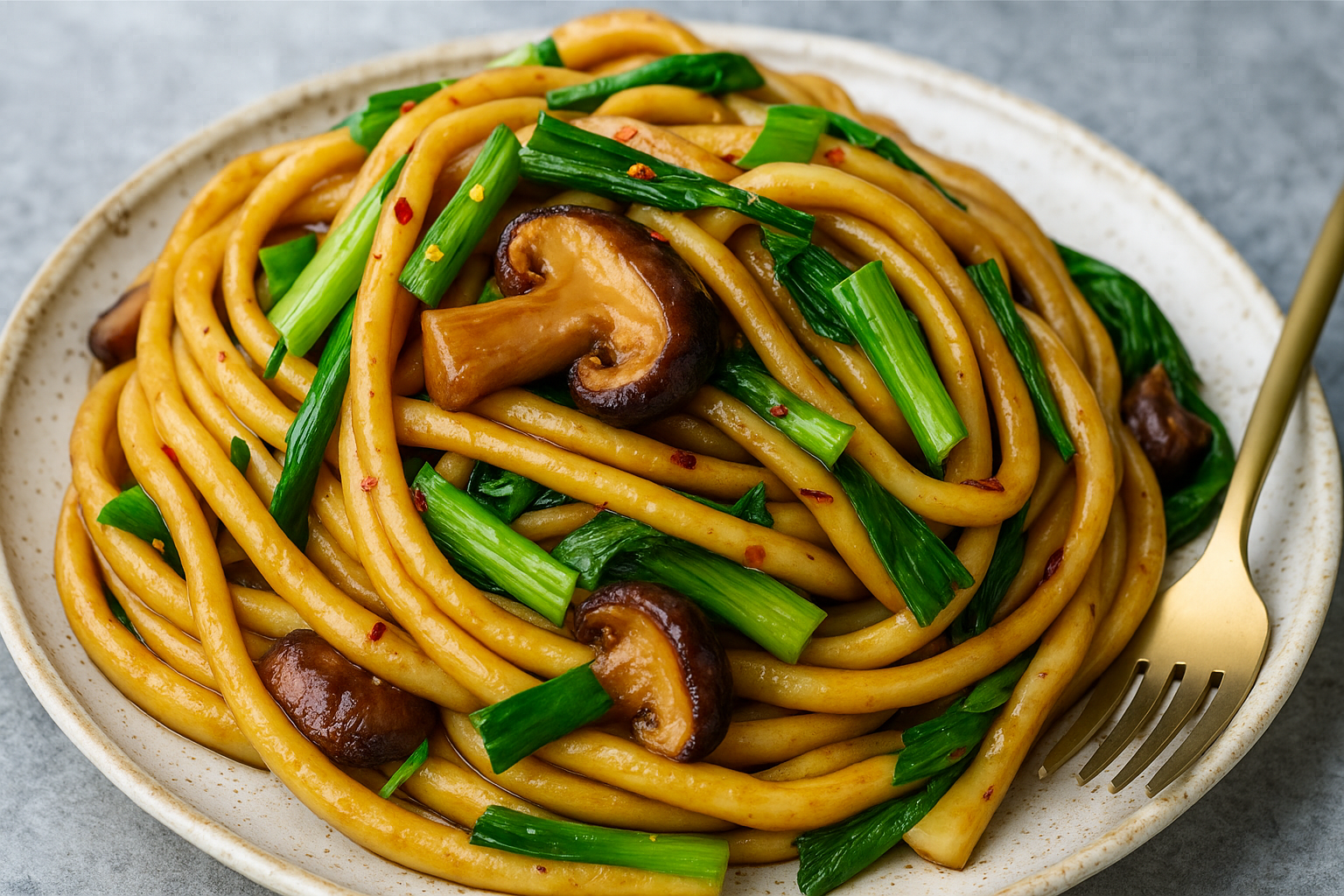
Food often carries stories, traditions, and meanings that go far beyond taste and nutrition. In Chinese culture, one of the most symbolic dishes is longevity noodles, known in Chinese as (长寿面, chángshòu miàn). These noodles are not just a simple meal; they are a cultural blessing, a wish for a long, healthy, and prosperous life. Celebrated across China and among Chinese communities worldwide. Served at birthdays, Lunar New Year celebrations, and other life milestones. But what exactly are they, why are they eaten, and is there any science behind the tradition? This article explores all of this.
What Are Longevity Noodles?
Longevity noodles are typically extra-long, uncut wheat noodles. Their defining feature is their length, which symbolizes long life. The longer the noodle, the greater the blessing. Because of this, cooks are careful not to cut or break them when cooking or serving, as doing so is believed to shorten one’s life. These noodles can be prepared in many ways like served in broth, stir-fried with vegetables and meat, or topped with a light sauce. Regional variations exist across China and East Asia. For example:
- Southern China: Often served in a clear broth with simple garnishes.
- Northern China: Thicker wheat noodles. Stir-fried with soy sauce, vegetables, and meat for a heartier dish.
- Hong Kong and Taiwan: Sometimes prepared with egg noodles, seafood, or oysters for added symbolism of prosperity.
Why Are They Called Longevity Noodles?
The name “longevity noodles” directly reflects their physical characteristic: their remarkable, unbroken length. Unlike typical noodles that are cut for ease of cooking and eating, these noodles are traditionally made to be as long as possible, sometimes stretching over several feet. This unbroken length serves as a metaphor for the recipient’s life—a wish for a long, continuous, and prosperous existence without premature breaks or misfortunes. Sending the message: “May your life be as long and unbroken as these noodles.” It is considered extremely bad luck to cut or break the noodle while preparing or eating it, as doing so is seen as symbolically “cutting” one’s life short.
Why Do People Eat Longevity Noodles?
- Symbolism of Long Life
The central reason is symbolic. In Chinese culture, length equals longevity. Eating unbroken noodles during birthdays or the New Year serves as a wish for the eater’s health and extended years. - A Tradition of Blessings
Families prepare and share longevity noodles to express love and blessings. It is an edible way to pass good fortune from one generation to the next. - Festive and Ceremonial Significance
Longevity noodles are part of a broader tradition where foods are chosen for their meanings. Just as dumplings symbolize wealth and fish symbolizes abundance, noodles symbolize endurance and vitality.
The Science Behind Longevity Noodles
While the noodles themselves don’t literally extend life, science does support the idea that the foods we eat influence health and lifespan.
- Carbohydrates and Energy: Noodles, being rich in carbohydrates, provide energy. When paired with vegetables, lean protein, and healthy oils, they create a balanced meal that supports metabolic health.
- Psychological Benefits: Cultural rituals strengthen social bonds and reduce stress, which can positively affect health and longevity. Studies show that cultural traditions strengthen community bonds, which in turn support longevity by reducing isolation and promoting mental health.
- Nutritional Value: Traditionally made from flour, eggs, and water, longevity noodles are often paired with a light broth, vegetables, and protein such as chicken, pork, or seafood. Additions like eggs symbolize wholeness, while mushrooms symbolize luck. Together, they form a balanced and nourishing meal.
- Mediterranean & Asian Diet Parallels: Both Mediterranean and Asian diets, which include whole grains and vegetables, have been linked to longer lifespans. Eating noodles with fresh, plant-based ingredients can align with these longevity-promoting diets.
- Portion & Moderation: While noodles themselves aren’t “magical,” enjoying them in moderation as part of a balanced diet supports a healthy lifestyle—one of the real keys to longevity.
Cultural Variations and Modern Adaptations
- In Japan, a similar tradition exists with soba noodles eaten during New Year’s Eve (Toshikoshi soba) to symbolize crossing into the new year with resilience and long life.
- In modern times, chefs experiment with whole grain, buckwheat, or even plant-based noodles to blend cultural tradition with modern health awareness. Despite these differences, one rule never changes: the noodles must not be broken. Chefs carefully pull, boil, and serve them whole, ensuring that their symbolic meaning remains intact.
Conclusion
Longevity noodles are more than a dish—they are a story on a plate. Each unbroken strand carries the hope of a long, prosperous, and healthy life. Rooted in centuries-old traditions, they remind us that food nourishes not only the body but also the spirit and community. While the noodles themselves don’t grant longer life, the ritual of eating them, sharing them with loved ones, and embracing the values they represent—family, health, and continuity—may indeed support a longer, happier existence. So the next time you enjoy a bowl of steaming longevity noodles, know that you are partaking in a tradition that blends symbolism, science, and the universal human wish to live well and live long.