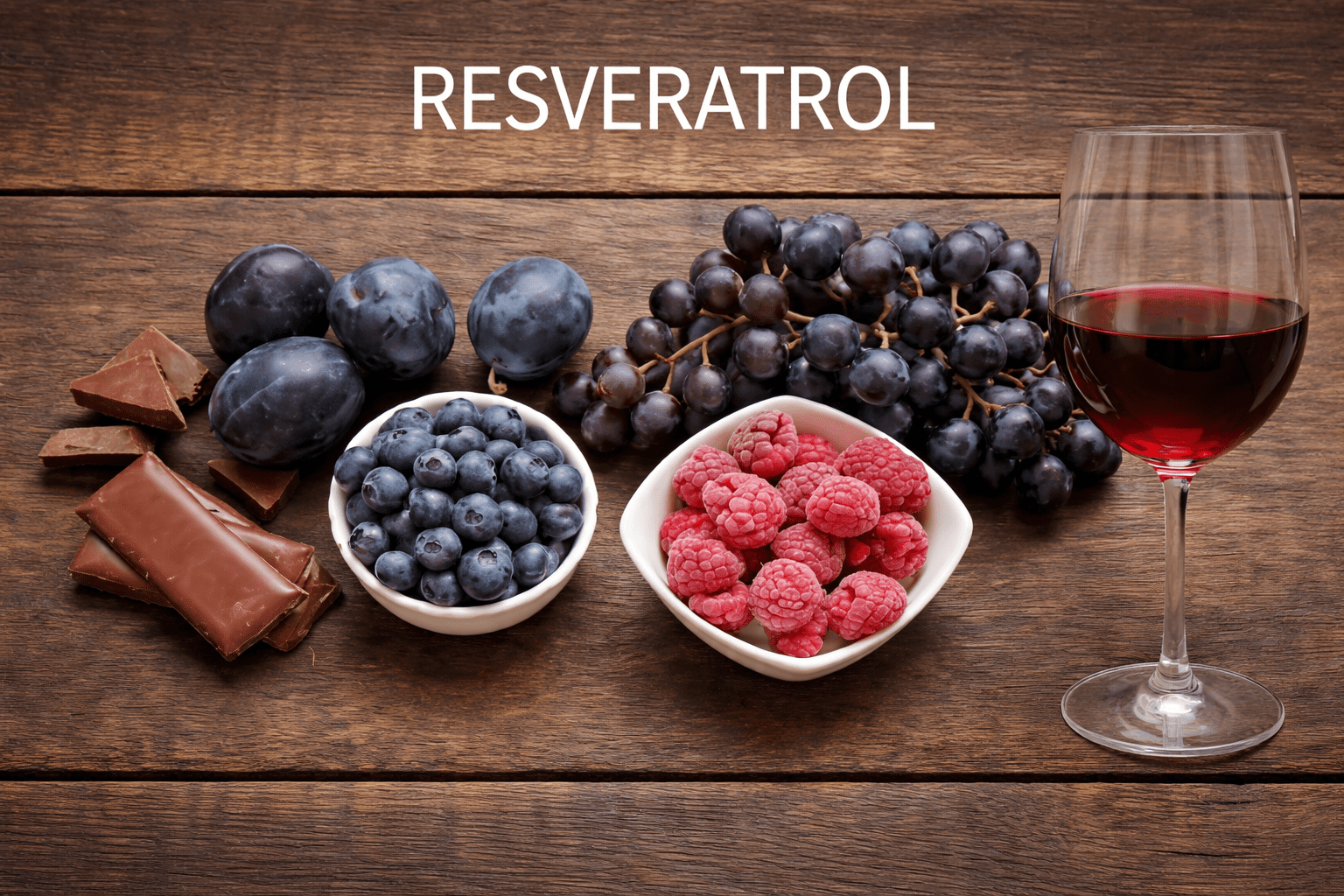
Resveratrol is a naturally occurring plant compound that has attracted global attention for its potential health, aging research and longevity benefits. Often linked to red wine and heart health, resveratrol is widely studied for its antioxidant, anti-inflammatory, and anti-aging properties. Scientists such as Dr. David Sinclair have helped popularize research into resveratrol’s role in aging biology, though the science continues to evolve. This article explores what resveratrol is, how it works, its potential benefits, possible side effects and more.
What Is Resveratrol?
Resveratrol belongs to a group of plant compounds called polyphenols, which act as antioxidants. Antioxidants help protect the body from damage caused by harmful molecules known as free radicals. Plants produce resveratrol as a protective defense mechanism against environmental stress, injury, fungal infections, and ultraviolet (UV) radiation. It is commonly found in red grapes particularly in the skin along with red wine, blueberries, cranberries, peanuts, and Japanese knotweed, which is frequently used as a primary source in dietary supplements.
How Resveratrol Works in the Body
Resveratrol works in the body by influencing several important biological pathways that are closely linked to aging and disease prevention. One of its primary actions is its antioxidant activity, where it helps neutralize free radicals that can damage cells and accelerate aging as well as contribute to chronic diseases. It also has anti-inflammatory effects, potentially lowering inflammatory markers that play a central role in many age-related conditions. Resveratrol gained widespread scientific attention when research suggested it could activate sirtuins particularly SIRT1—proteins associated with cellular repair, DNA stability, and longevity pathways. In addition, it may support mitochondrial function, helping cells produce energy more efficiently and improving overall metabolic performance. Some studies suggest that resveratrol may mimic certain effects of calorie restriction, a dietary intervention known to extend lifespan in animal models. It may also influence gene expression related to stress resistance and cellular survival. Although these mechanisms are promising, much of the strongest evidence still comes from laboratory and animal studies, and human outcomes remain an active area of research.
Health Benefits of Resveratrol
1. Heart Health
Resveratrol has been widely studied for its potential benefits on heart health. Research suggests it may improve blood vessel function, reduce the oxidation of LDL (“bad”) cholesterol, increase nitric oxide production, and support healthy blood pressure levels. These effects may help lower certain cardiovascular risk factors and promote better circulation. Some studies indicate that its antioxidant and anti-inflammatory properties contribute to protecting the lining of blood vessels from damage. Additionally, resveratrol may help reduce platelet aggregation, which plays a role in blood clot formation. It has also been examined for its potential to improve lipid profiles in certain populations. However, while findings are promising, resveratrol should not replace prescribed heart medications or standard cardiovascular treatments.
2. Longevity and Anti-Aging
Resveratrol is frequently discussed in connection with lifespan extension and anti-aging research. In animal models such as yeast and mice, it has demonstrated lifespan-extending effects under specific conditions, particularly when linked to calorie-restriction pathways. Scientists believe this may be related to its activation of sirtuins and other cellular repair mechanisms. These pathways are associated with improved DNA stability, stress resistance, and metabolic efficiency. Some researchers suggest that resveratrol may help slow certain biological markers of aging rather than directly extending lifespan. It has also been explored for its role in reducing age-related inflammation and oxidative stress. However, despite encouraging laboratory findings, there is currently no conclusive evidence that resveratrol extends human lifespan.
3. Brain Health
Resveratrol may offer protective effects on brain health through several biological mechanisms. It has been shown to help protect neurons from oxidative damage and may improve blood flow to the brain, which is essential for cognitive performance. Some studies suggest it could support memory and overall cognitive function, particularly in aging populations. Its anti-inflammatory properties may also play a role in protecting brain tissue from chronic inflammation linked to neurodegenerative diseases. Researchers have explored its potential impact on conditions such as Alzheimer’s disease, although findings remain preliminary. Resveratrol may also help maintain the integrity of the blood-brain barrier, an important protective system for the brain. While early research is promising, more long-term human clinical trials are needed to confirm these potential cognitive benefits.
4. Blood Sugar and Metabolic Health
Several studies suggest that resveratrol may positively influence blood sugar control and metabolic health. It may improve insulin sensitivity, support healthy blood glucose levels, and enhance metabolic flexibility—the body’s ability to switch between burning carbohydrates and fats for energy. These effects have made it a topic of interest in research related to type 2 diabetes and metabolic syndrome. Resveratrol may also activate pathways such as AMPK, which plays a key role in energy regulation and glucose metabolism. Some clinical trials have reported modest improvements in fasting glucose and insulin levels. It has also been studied for its potential role in reducing inflammation associated with metabolic disorders. However, results in humans are mixed, and it should not be considered a replacement for standard diabetes treatment.
5. Cancer Research
In laboratory and animal studies, resveratrol has demonstrated several anti-cancer properties. Researchers have observed that it may inhibit tumor growth, induce apoptosis (programmed cell death), and reduce inflammation that can promote cancer progression. It appears to influence multiple cellular signaling pathways involved in cell division and survival. Some studies suggest it may interfere with the early stages of cancer development by protecting DNA from oxidative damage. Additionally, resveratrol has been examined for its potential to enhance the effectiveness of certain conventional cancer therapies in experimental settings. Its antioxidant properties may also contribute to limiting cellular mutations. However, these findings are largely based on preclinical research, and resveratrol is not approved or recognized as a cancer treatment in clinical practice.
6. Weight Loss and Obesity Management
Resveratrol has also been studied for its potential role in weight management and obesity treatment. Research suggests it may influence fat metabolism by activating pathways such as AMPK and SIRT1, which are involved in energy regulation and fat burning. Some studies indicate that resveratrol may help reduce fat storage, limit the formation of new fat cells, and improve mitochondrial function, thereby increasing the body’s ability to burn calories more efficiently. It has also been explored for its potential to reduce inflammation associated with obesity, which is a key factor in metabolic dysfunction. In certain animal studies, resveratrol supplementation led to reduced body weight gain and improved insulin sensitivity. Additionally, it may mimic some effects of calorie restriction, a strategy known to support metabolic health and weight control. However, human studies have shown mixed results, and resveratrol should be viewed as a supportive compound rather than a standalone solution for weight loss or obesity treatment.
Side Effects and Safety
Resveratrol is generally considered safe when consumed in moderate amounts through natural food sources such as grapes, berries, and peanuts. However, when taken in high doses through supplements, some individuals may experience side effects including digestive discomfort, nausea, diarrhea, and headaches. These symptoms are typically mild but can become more noticeable at higher intake levels. Resveratrol may also increase the risk of bleeding, particularly in people who are taking blood-thinning medications or preparing for surgery. In addition, it could interact with certain medications, including anticoagulants, anti-inflammatory drugs, and some blood pressure treatments. Pregnant or breastfeeding women are usually advised to avoid high-dose supplementation unless supervised by a healthcare professional. Because long-term safety data on high-dose resveratrol use is still limited, caution is recommended when using it regularly over extended periods. As with any supplement, consulting a qualified healthcare provider before starting resveratrol is a sensible and responsible approach.
Who Might Consider Resveratrol?
Resveratrol supplementation may be considered by individuals who are interested in supporting healthy aging, improving metabolic function, or increasing their overall antioxidant intake. People focused on long-term wellness strategies often explore resveratrol as part of a broader preventive health approach. It may also appeal to those who are looking to support cardiovascular health or reduce inflammation as they age. However, resveratrol should always complement not replace foundational lifestyle habits such as regular exercise, balanced nutrition, quality sleep, and stress management. Supplements are most effective when integrated into an already healthy routine rather than used as a shortcut. Individuals with existing medical conditions or those taking medications should be particularly cautious. Consulting a qualified healthcare professional before beginning supplementation is strongly recommended to ensure safety and appropriate dosage. Personalized medical guidance helps minimize risks and ensures that resveratrol fits appropriately within an individual’s overall health plan.
Conclusion
It is important to approach resveratrol with balanced expectations. It is not a miracle anti-aging solution, nor is it a substitute for medical treatment or healthy living. The strongest and most consistent drivers of long-term health remain regular physical activity, nutrient-dense nutrition, adequate sleep, stress management, and avoidance of harmful habits.