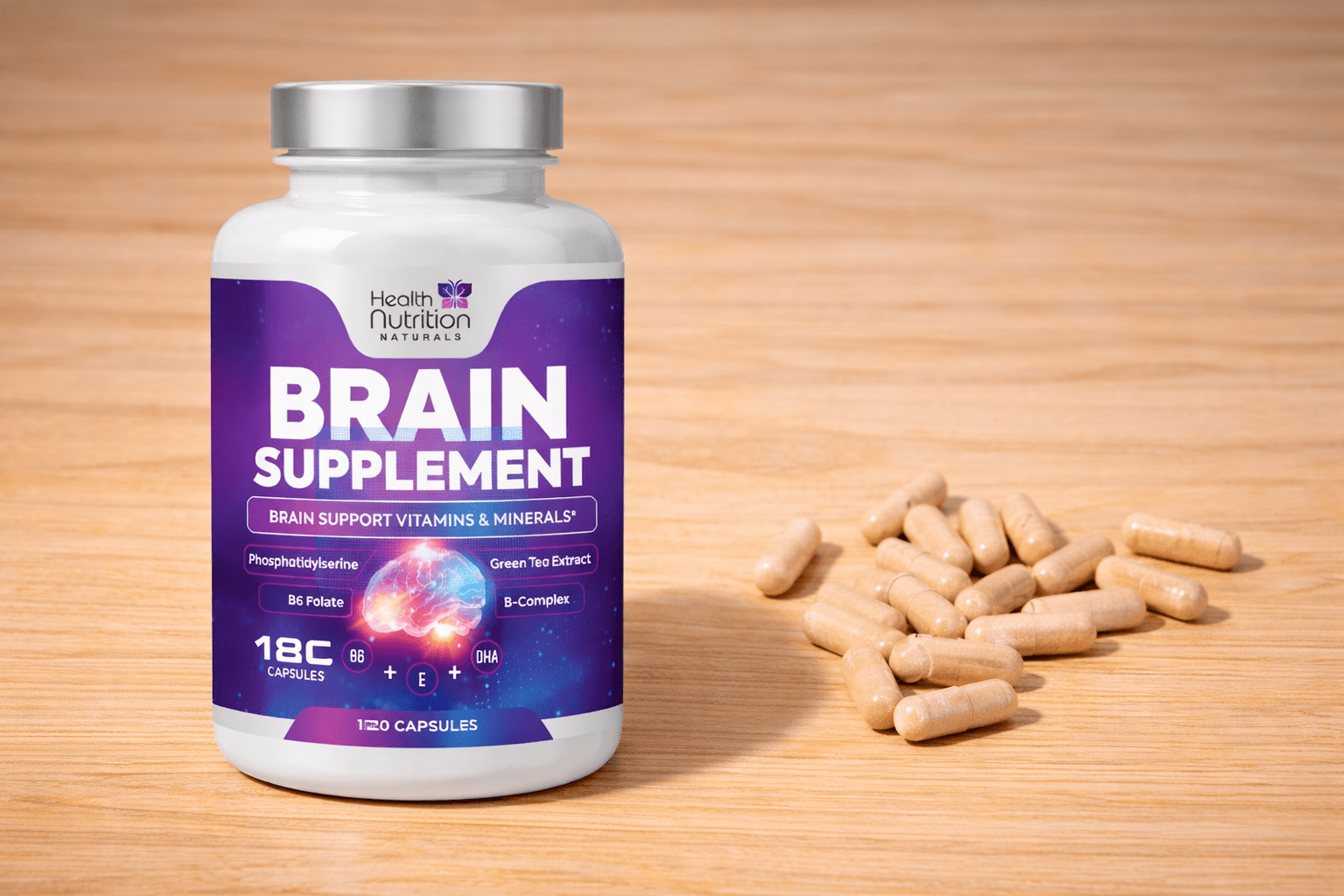
The brain is the control center of the body — responsible for memory, focus, mood, creativity and decision-making. As modern life becomes more demanding, many people look for ways to sharpen mental clarity, maintain long-term cognitive performance, and protect against age-related decline. While foundational habits such as quality sleep, balanced nutrition, regular exercise, and stress management remain essential, targeted nutritional support may provide additional benefits. This is where brain-focused supplements come into the conversation.
Scientific research over the past few decades has explored how certain vitamins, minerals, fatty acids, and plant compounds influence neurotransmitters, inflammation, blood flow, and cellular energy production in the brain. Some nutrients help strengthen the structural integrity of neurons, while others protect against oxidative stress or support calm, focused mental states. Although supplements are not miracle cures and should never replace a healthy lifestyle, they may help fill nutritional gaps and support optimal cognitive function when used appropriately. This article will explore the top 15 supplements for brain health and explain how each one works, along with their potential benefits and considerations.
1. Omega-3 Fatty Acids (EPA & DHA)
Omega-3 fatty acids, particularly EPA (eicosapentaenoic acid) and DHA (docosahexaenoic acid), are essential polyunsaturated fats that the body cannot produce on its own and must obtain through diet or supplementation. They are naturally abundant in fatty fish such as salmon, sardines, and mackerel, and are also available in algae-based supplements for vegetarians and vegans. DHA is a major structural component of brain cell membranes and plays a crucial role in maintaining membrane fluidity, which allows neurons to communicate efficiently. EPA, while less concentrated in brain tissue than DHA, is strongly involved in regulating inflammation and supporting mood balance by influencing inflammatory pathways and neurotransmitter activity.
Together, EPA and DHA contribute to memory formation, learning ability, and sustained mental clarity. Research suggests that adequate omega-3 intake may help improve mood and reduce symptoms of depression, particularly in individuals with low baseline levels. Their anti-inflammatory effects are especially important because chronic inflammation has been linked to cognitive decline and neurodegenerative diseases. Omega-3s may also support healthy brain aging by protecting neurons from oxidative stress and improving blood flow to brain tissue. In addition, they support cardiovascular health, which is closely connected to long-term cognitive function.
Omega-3 supplements are generally well tolerated, though some individuals may experience a fishy aftertaste, mild digestive discomfort, nausea, or loose stools. Taking them with meals often minimizes these effects. At very high doses, omega-3s may increase bleeding risk, particularly in people taking blood-thinning medications. For most individuals, however, moderate supplementation within recommended guidelines is considered safe and beneficial for both brain and overall health.
2. Vitamin D
Vitamin D is a fat-soluble vitamin that the body naturally produces when the skin is exposed to sunlight. It can also be obtained in smaller amounts from foods such as fatty fish, egg yolks, fortified dairy products, and dietary supplements. While it is widely known for supporting bone health and calcium regulation, vitamin D is increasingly recognized as a key nutrient for brain function. Vitamin D receptors are distributed throughout many regions of the brain, particularly those involved in mood regulation, decision-making, and memory processing. It plays a role in regulating gene expression, supporting nerve growth factors, and modulating inflammatory responses, which is significant because chronic inflammation is associated with cognitive decline and neurodegenerative disorders.
Maintaining adequate vitamin D levels has been linked to improved mood stability and may help reduce the risk of depression in individuals who are deficient. Some studies suggest that sufficient vitamin D status may also lower the risk of cognitive decline in older adults. In addition to its neurological benefits, vitamin D strengthens immune function and supports overall systemic health, which indirectly contributes to better cognitive performance. Deficiency is relatively common worldwide, especially among people who receive limited sunlight exposure or live in regions with long winters.
When taken within recommended amounts, vitamin D supplementation is generally safe. However, excessive long-term intake can lead to hypercalcemia (elevated calcium levels in the blood), which may cause nausea, weakness, confusion, and kidney problems. In severe cases, it can contribute to kidney stone formation or kidney damage. For this reason, checking blood levels and consulting a healthcare professional before high-dose supplementation is advisable.
3. B Vitamins (B6, B9, B12)
B vitamins particularly vitamin B6, vitamin B9 (folic acid), and vitamin B12 are essential water-soluble nutrients that play a fundamental role in brain function, nerve health, and cellular energy production. Because they are water-soluble, the body does not store them in large amounts, making consistent dietary intake important. These vitamins are deeply involved in synthesizing key neurotransmitters such as serotonin, dopamine, and GABA, which regulate mood, focus, motivation, and emotional balance. They also help lower homocysteine levels, an amino acid that, when elevated, has been associated with accelerated brain aging and increased risk of cognitive decline.
Adequate levels of B6, B9, and B12 support memory, concentration and overall mental clarity. In individuals who are deficient particularly older adults, vegetarians, or those with absorption issues supplementation may help slow brain shrinkage and improve cognitive performance. These vitamins are also critical for maintaining the myelin sheath, the protective covering around nerves that ensures efficient electrical signal transmission throughout the brain and body. A deficiency in vitamin B12, in particular, can result in fatigue, memory problems, mood disturbances, and even long-term neurological damage if not corrected.
B vitamins are generally safe when consumed within recommended doses. However, excessive long-term intake of vitamin B6 may cause nerve tingling or numbness, a condition known as peripheral neuropathy. Allergic reactions are rare but possible.
4. Zinc
Zinc is an essential trace mineral involved in hundreds of enzymatic reactions throughout the body, including those necessary for immune function, DNA synthesis, and cellular repair. In the brain, zinc plays a critical structural and regulatory role. It supports synaptic signaling, meaning it helps neurons communicate effectively with one another. Zinc also contributes to neuroplasticity — the brain’s ability to adapt, form new connections, and store memories. It helps regulate key neurotransmitters such as glutamate (involved in learning) and GABA (involved in calming the brain), maintaining a healthy balance between stimulation and inhibition.
Adequate zinc levels support memory formation, cognitive performance, and emotional stability. Some research suggests zinc deficiency may be linked to low mood and impaired concentration. Because zinc also strengthens the immune system, it indirectly supports brain health by reducing inflammation and illness-related stress on the body. However, excessive supplementation may cause nausea, stomach discomfort, and, over time, copper deficiency, which can negatively affect nerve function. For this reason, zinc should be taken within recommended limits.
5. L-Theanine
L-Theanine is a naturally occurring amino acid most commonly found in green tea. Unlike stimulants, it promotes a state of “calm alertness” rather than sedation or overstimulation. It works by increasing alpha brain wave activity, which is associated with relaxed but focused mental states, similar to meditation. L-theanine also modulates neurotransmitters such as GABA, dopamine, and serotonin, helping balance mood and cognitive performance.
This unique mechanism allows L-theanine to promote calm focus, reduce anxiety, and improve concentration without causing drowsiness. It is especially popular when combined with caffeine because it helps smooth out caffeine’s jittery effects while maintaining alertness. Many people report improved attention and mental clarity when using both together. L-theanine is generally very safe and well tolerated. Rare side effects may include mild dizziness or headaches, but these are uncommon at typical doses.
6. Choline
Choline is an essential nutrient that serves as a precursor to acetylcholine, one of the most important neurotransmitters for learning and memory. Although the body can produce small amounts, most choline must come from dietary sources such as eggs, meat, and certain supplements. Once consumed, choline is converted into acetylcholine, which supports communication between neurons and plays a central role in attention, information processing, and memory formation.
Adequate choline intake supports mental clarity, focus, and long-term brain health. It is particularly important during pregnancy because it contributes to fetal brain development and neural tube formation. Some studies suggest higher choline intake may be associated with better cognitive performance later in life. However, very high doses may cause a fishy body odor due to trimethylamine production. In rare cases, excessive intake may also lower blood pressure or cause digestive discomfort.
7. Coenzyme Q10 (CoQ10)
Coenzyme Q10 (CoQ10) is a naturally occurring antioxidant found in nearly every cell of the body, especially in organs with high energy demands such as the brain and heart. It plays a central role in mitochondrial function, helping cells generate ATP the primary source of cellular energy. Because brain cells require significant energy to function properly, adequate CoQ10 levels are important for cognitive vitality.
In addition to supporting energy production, CoQ10 protects neurons from oxidative stress, which can damage cells over time and contribute to neurodegenerative conditions. Some research suggests it may support cognitive function in aging populations, particularly when oxidative stress is elevated. While not a cure for neurological disorders, it may offer supportive antioxidant protection. CoQ10 is generally well tolerated, though mild digestive upset can occur. Rarely, it may cause insomnia if taken late in the day.
8. Resveratrol
Resveratrol is a natural polyphenol found in red grapes, berries, and red wine. It is widely studied for its antioxidant and anti-inflammatory properties. In the brain, resveratrol helps combat oxidative stress and may improve blood flow by supporting vascular function. It also activates cellular longevity pathways, including sirtuins, which are involved in DNA repair and cellular resilience.
These mechanisms suggest potential benefits for memory and cognitive aging. Some studies indicate that resveratrol supplementation may improve memory performance in older adults, particularly by enhancing blood flow to the hippocampus. Its anti-inflammatory properties may also help protect brain cells over time. However, high doses can cause digestive discomfort such as nausea or diarrhea. Because it may have mild blood-thinning effects, individuals taking anticoagulant medications should use caution.
9. Curcumin
Curcumin is the active compound in turmeric and is responsible for its bright yellow color and medicinal properties. It is a powerful anti-inflammatory and antioxidant compound. In the brain, curcumin may help reduce oxidative stress and chronic inflammation, both of which are associated with cognitive decline. Some research suggests it may increase levels of brain-derived neurotrophic factor (BDNF), a protein that supports neuron growth and survival.
By supporting these protective pathways, curcumin may contribute to improved memory and mood regulation. It has also been studied for its potential role in reducing symptoms of depression. Because curcumin has low natural bioavailability, enhanced formulations are often used for better absorption. Side effects are usually mild but may include stomach upset or acid reflux. It may also interact with blood thinners, so medical consultation is advised.
10. Ashwagandha
Ashwagandha is an adaptogenic herb traditionally used in Ayurvedic medicine to help the body manage stress. It works primarily by reducing cortisol, the body’s main stress hormone. Chronic high cortisol levels can negatively affect memory, sleep, and emotional balance. Ashwagandha also supports GABA signaling, promoting relaxation and reducing anxiety.
Research suggests it may improve stress resilience, memory performance, and attention span. Some studies also indicate benefits for sleep quality and overall mental clarity. By lowering stress levels, it indirectly supports healthier brain function. Most people tolerate it well, but possible side effects include drowsiness or digestive upset. It may not be suitable for individuals with certain thyroid conditions or autoimmune disorders without medical supervision.
11. Lion’s Mane Mushroom
Lion’s Mane mushroom is a medicinal mushroom known for its unique compounds called hericenones and erinacines. These compounds stimulate the production of nerve growth factor (NGF), a protein essential for neuron growth, repair, and survival. This makes Lion’s Mane particularly interesting for brain health and neuroplasticity.
Some research suggests it may improve memory and cognitive function, especially in older adults with mild cognitive impairment. It may also support mood balance by promoting nerve regeneration. While research is still emerging, early findings are promising. Lion’s Mane is generally safe, though mild stomach discomfort may occur. Allergic reactions are rare but possible in sensitive individuals.
12. Phosphatidylserine (PS)
Phosphatidylserine (PS) is a phospholipid that forms an essential part of brain cell membranes. It helps maintain membrane fluidity, which is necessary for efficient neurotransmitter signaling. As we age, natural PS levels in the brain may decline, potentially affecting memory and processing speed.
Supplementation may help improve memory recall, attention span, and mental processing speed, particularly in older adults. It may also reduce the body’s stress response by lowering cortisol levels. Some athletes use PS to support cognitive performance under stress. Side effects are generally mild and may include stomach upset or mild insomnia if taken late in the day.
13. Caffeine
Caffeine is a natural stimulant found in coffee, tea, and certain supplements. It works by blocking adenosine, a neurotransmitter that signals fatigue. By doing so, it increases dopamine and norepinephrine levels, enhancing alertness and mental energy.
Caffeine can improve reaction time, concentration, and short-term memory performance. It is widely used to enhance productivity and cognitive endurance. However, excessive intake may cause anxiety, insomnia, rapid heartbeat, or digestive discomfort. Regular heavy use can lead to tolerance and mild dependence, resulting in withdrawal headaches if stopped abruptly.
14. Magnesium (Especially Magnesium L-Threonate)
Magnesium is an essential mineral involved in over 300 biochemical reactions, including nerve transmission and muscle function. Magnesium L-threonate is a special form designed to cross the blood-brain barrier more effectively. In the brain, magnesium regulates NMDA receptors, which are critical for learning and memory.
It supports synaptic plasticity and promotes relaxation by calming the nervous system. Adequate magnesium levels are associated with improved sleep quality, reduced stress, and enhanced cognitive flexibility. Many people are mildly deficient due to poor diet or stress. Side effects may include diarrhea (especially with other forms of magnesium) and low blood pressure at high doses.
15. Ginkgo Biloba
Ginkgo Biloba is an herbal extract derived from the leaves of the Ginkgo tree. It has been used for centuries in traditional medicine to support memory and circulation. Ginkgo works by improving blood flow to the brain and providing antioxidant protection against free radical damage.
Some studies suggest it may improve memory and cognitive performance in individuals with mild cognitive impairment. It may also enhance mental clarity by supporting oxygen delivery to brain tissues. However, results in research are mixed. Side effects can include headaches, digestive upset, and an increased risk of bleeding, particularly when combined with blood-thinning medications.
Conclusion
Supporting brain health is a long-term investment rather than a quick fix. The supplements discussed above each work through different biological pathways. Their effectiveness often depends on individual needs, lifestyle factors, and whether a true deficiency exists.
It is important to remember that supplements are most beneficial when they complement, not replace, healthy habits. A nutrient-dense diet, physical activity, mental stimulation, social engagement, and restorative sleep remain the foundation of cognitive vitality. Additionally, quality and dosage matter, and consulting a healthcare professional is wise before beginning any new supplement regimen especially for individuals taking medications or managing medical conditions.