Introduction
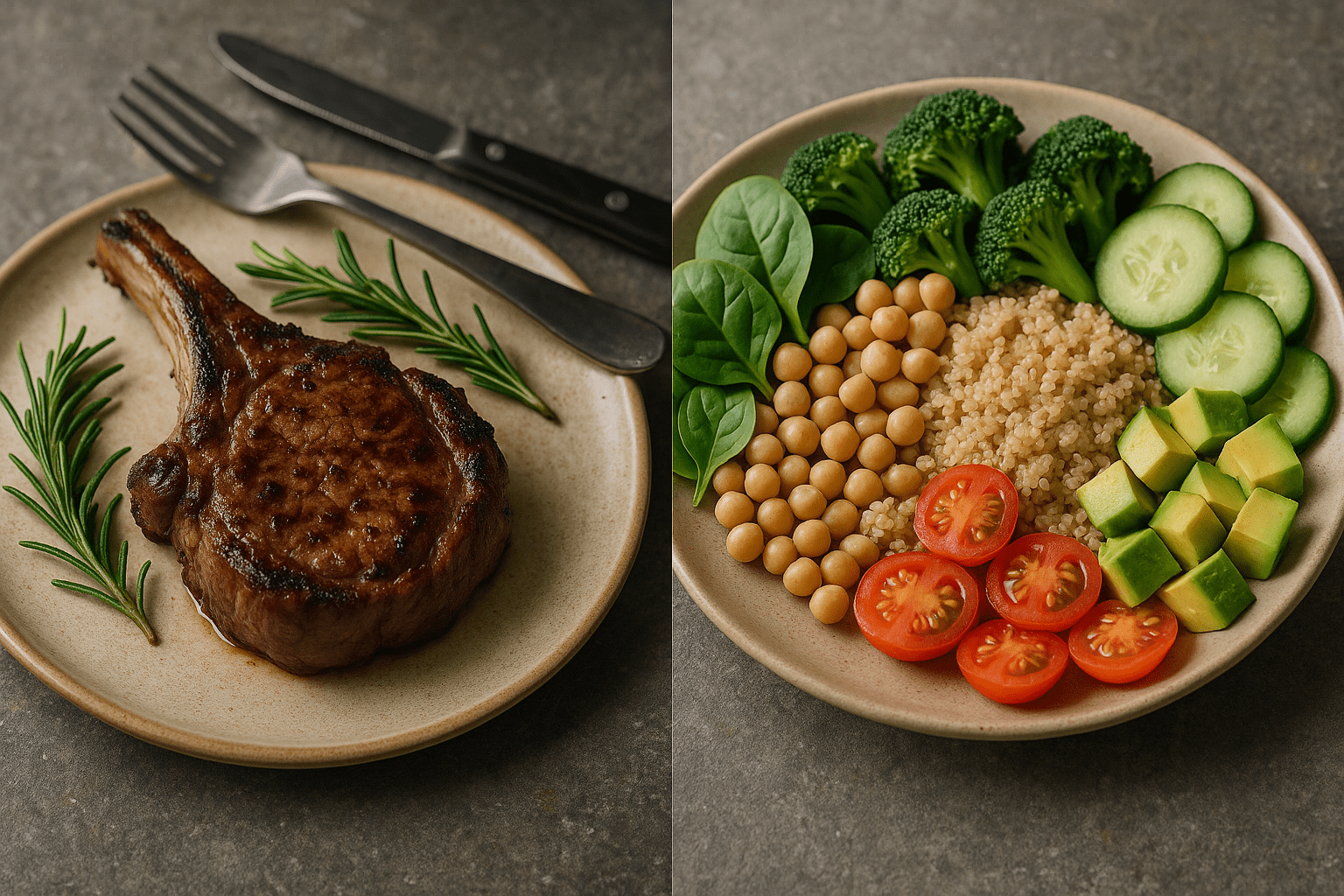
Nutrition has profound influence over aging and longevity. Eating Lamb vs. Vegan Diets: Which Is Better for Healthy Aging and Longevity? This question lies at the heart of ongoing discussions in nutritional science, as diet profoundly influences the biological processes that govern aging and lifespan. While plant-based diets are widely praised for their longevity benefits, the consumption of lamb has garnered attention for its unique nutritional profile and potential mitochondrial effects. The interplay between diet, aging, and lifespan remains at the forefront of nutrition science. Lamb offers nutrient-dense benefits such as heme iron, vitamin B₁₂, selenium, and conjugated linoleic acid (CLA)—that may support mitochondrial function and cellular energy. In contrast, vegan lifestyles emphasize whole plant foods rich in fiber, antioxidants, and phytonutrients, which reduce oxidative stress and inflammation—two critical drivers of aging. This article compares the impacts of eating lamb versus adopting a vegan lifestyle in the context of longevity and healthy aging, incorporates insights from longevity advocate Bryan Johnson and historical view on the cultural role of lamb in animal sacrifice rituals.
Lamb and Mitochondrial Function in Aging
Recent genetic studies show that lamb consumption may associate with an increased mitochondrial DNA (mtDNA) copy number, which is an indicator of improved mitochondrial health. Since mitochondria are responsible for producing cellular energy and regulating oxidative stress, maintaining their function is vital for healthy aging. Lamb is naturally rich in heme iron, vitamin B₁₂, zinc, and selenium nutrients essential for supporting mitochondrial enzymes and reducing free radical damage. These nutrients also support DNA repair, immune regulation, and energy metabolism, which are especially important in older adults. While lamb may offer mitochondrial benefits, these effects are often dependent on moderation, quality of meat, and preparation methods. Overconsumption or cooking at high temperatures may negate the potential benefits by introducing carcinogenic compounds like heterocyclic amines (HCAs) and polycyclic aromatic hydrocarbons (PAHs).
Red Meat Risks: Mortality, Inflammation and Cognitive Decline
Although lamb may provide unique benefits, broader data on red and processed meats present a more cautionary tale. Several large cohort studies, including those from Harvard and the NIH, have shown that a higher intake of red meat correlates with increased all-cause mortality, heart disease, certain cancers, and type 2 diabetes. Processed red meats, in particular, raise mortality risk by about 20% per daily serving. On the other hand, unprocessed red meat including lamb adds about 13%. The concern lies not only in saturated fat content but also in heme iron overload, nitrite preservatives and advanced glycation end-products (AGEs), which contribute to systemic inflammation. Excess inflammation is a hallmark of aging and has been linked to cognitive decline, frailty and shortened health span. While limited quantities of lamb may fit into a healthy diet, consistent consumption of red meat especially processed forms can accelerate biological aging. This occurs when a plant-heavy, nutrient-rich diet does not balance it.
Vegan Lifestyle and Longevity: Insights from Bryan Johnson
Bryan Johnson, a tech entrepreneur turned longevity pioneer, offers a powerful case study in plant-based aging optimization. Through his self-experimentation program ‘Blueprint’, Johnson follows an ultra-disciplined, science-driven lifestyle. This regimen includes a fully plant-based diet, strict calorie control, rigorous biomarker tracking, daily exercise, and over 100 carefully chosen supplements. His goal is to maintain peak biological performance and reverse the signs of aging. According to published reports, Johnson has successfully reduced his biological age by over 5 years and slowed his pace of aging by more than 30%. He also maintains organ functions for his heart, skin, and liver that reflect someone decades younger.
Bryan’s plant-based diet prioritizes foods that are high in polyphenols, antioxidants, and anti-inflammatory compounds—such as berries, cruciferous vegetables, legumes, mushrooms, nuts, seeds, and omega-3 rich algae oils. His plan is rooted in scientific literature on caloric restriction, autophagy, and metabolic flexibility—all of which are linked to slower aging. Importantly, his approach challenges the notion that animal products are required for longevity. Instead, his data-driven regimen emphasizes precision: using nutrient-dense, low-toxin, minimally processed plant foods to maintain optimal function without the typical inflammation and metabolic stress associated with red meat.
Johnson also brings public attention to the role of tech in health optimization—using full-body scans, blood biomarker dashboards, and AI algorithms to fine-tune his lifestyle. While not everyone can access these tools, Johnson’s protocol inspires a broader shift in mindset. It shows that plant-based eating, combined with science, discipline, and consistency, can radically improve aging outcomes. His lifestyle acts as a real-world model that empowers people to make changes today that can delay disease, improve mental clarity, and extend health span.
Nutrients and Mechanisms Compared: Lamb vs. Vegan Diets
The nutritional contrast between lamb and vegan diets lies not just in food sources but in the physiological mechanisms they activate. Lamb contains highly bioavailable iron, B₁₂, and certain fatty acids like conjugated linoleic acid (CLA), which support oxygen transport, brain health, and energy metabolism. However, many of these benefits can also be replicated through plant-based diets using fortified foods and supplements. On the other hand, vegan diets are naturally high in fiber, antioxidants, polyphenols, and phytonutrients, which combat oxidative stress and modulate gene expression linked to longevity. The fiber content also supports a healthy gut microbiome, which we increasingly recognize as a regulator of immune health, inflammation, and aging.
Vegan diets have the added benefit of eliminating compounds found in red meat that may accelerate aging, such as excessive heme iron, animal protein byproducts, and AGEs. When balanced correctly, vegan nutrition can support mitochondrial health, reduce chronic disease risk, and improve metabolic biomarkers such as insulin sensitivity, cholesterol, and inflammation. This makes plant-based diets particularly attractive for long-term health and disease prevention.
The Historical Role of Lamb in Ritual Sacrifice
Throughout human history, lamb has held symbolic and spiritual significance far beyond its nutritional value. Ancient civilizations such as Mesopotamia, Egypt, Greece, and Israel often used lamb in sacrificial rituals to honor deities, purify spaces or mark religious ceremonies. In ancient Rome, the ritual of suovetaurilia involved sacrificing a pig, a sheep, and a bull to the god Mars. People believed this ritual would protect agriculture and military strength. In the Jewish tradition, the Passover lamb represents liberation and divine protection, tracing back to the Exodus narrative in the Hebrew Bible.
These rituals typically involved a communal sharing of the sacrificial meat, which reinforced social bonds and spiritual unity. Importantly, the consumption of lamb in these settings was infrequent and reserved for sacred occasions, it was not part of a daily or excessive diet. This historical context suggests that traditional societies may have intuitively practiced moderation, consuming meat as a cultural symbol rather than a staple. In modern times, this could inspire a reevaluation of meat’s place in our diets perhaps shifting back toward occasional, mindful inclusion rather than regular overconsumption.
Conclusion
The choice between eating lamb and adopting a vegan lifestyle is complex, shaped by nutritional needs, cultural values, and personal health goals. Lamb provides certain hard-to-find nutrients and may support health when consumed sparingly and prepared mindfully. However, consistent intake of red meat, especially in large amounts or in processed forms, is clearly linked to increased risk of chronic disease and accelerated aging. In contrast, a well-balanced vegan lifestyle—rich in whole plant foods and guided by science—shows consistent associations with better longevity outcomes, improved biomarkers, and reduced inflammation. For most people today, the optimal path to longevity may not lie in choosing one extreme but in finding a personalized balance—favoring plants, minimizing red meat, and making dietary choices grounded in long-term health rather than short-term pleasure.