Introduction
The human drive to extend life and preserve vitality has led to intense scientific interest in natural compounds with potential anti-aging benefits. Among them, resveratrol stands out as a molecule of particular intrigue. This polyphenol, found in red grapes and certain berries, gained attention for its role in mimicking caloric restriction—a well-known longevity strategy in animal models. While its antioxidant and anti-inflammatory properties are well documented, its actual impact on human lifespan is still under exploration. This article explores what resveratrol is, where it’s found, how it works in the body, and what science currently tells us about its effects on aging and age-related diseases.
What is Resveratrol?
Resveratrol is a type of polyphenol, a plant compound known for its antioxidant properties. Specifically, it belongs to the stilbenoid class and is produced by plants as a defensive response to stress or injury. This biological role hints at its function in humans—offering protection at the cellular level. The compound exists in two forms, but the trans-resveratrol isomer is the one most often studied due to its greater biological activity and stability.
Sources of Resveratrol
Although resveratrol is present in modest amounts in food, its dietary sources are diverse.
- Red grapes and red wine are the most recognized sources, as resveratrol is concentrated in grape skins.
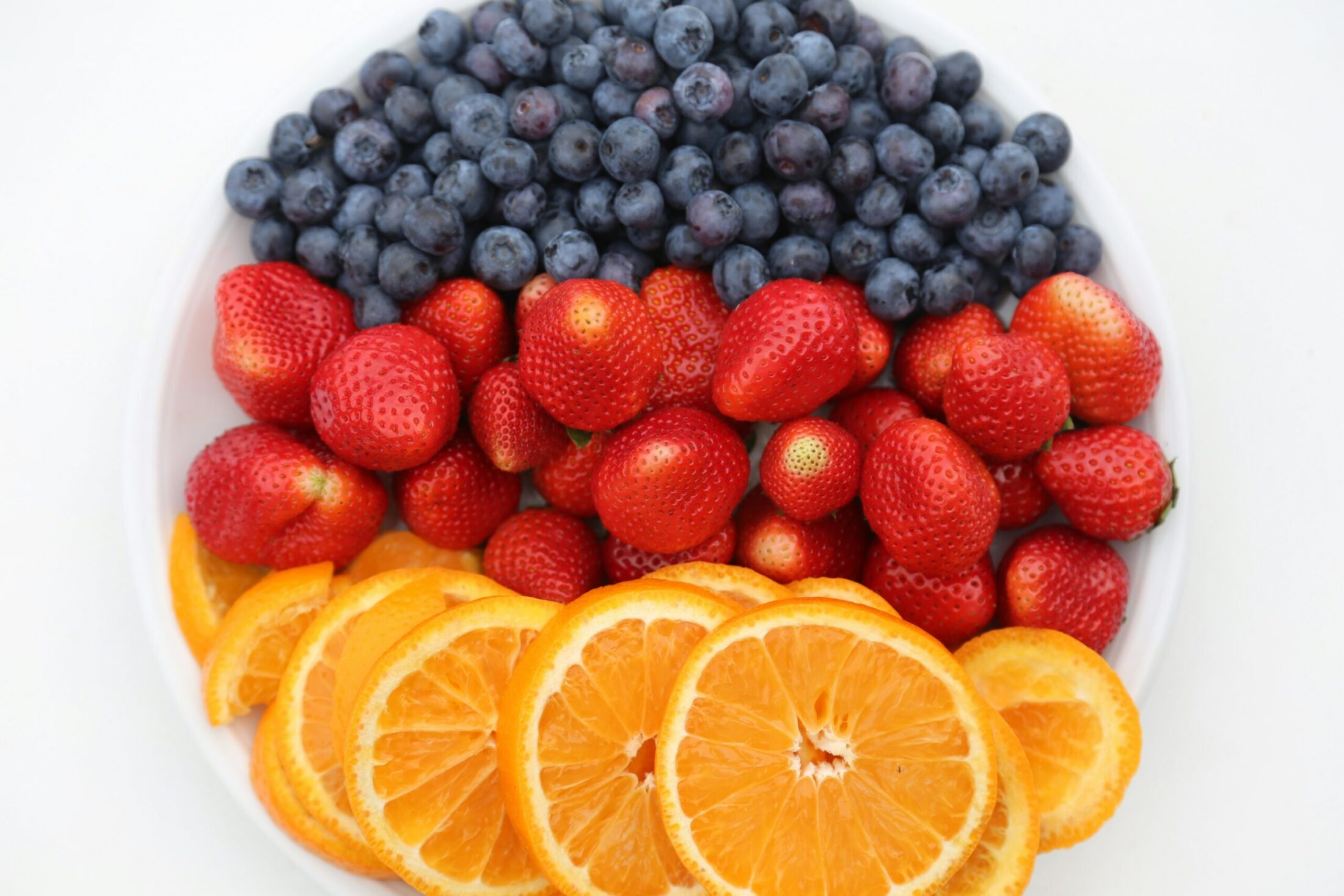
- Berries—such as blueberries, mulberries, and cranberries—offer smaller but meaningful amounts.
- Peanuts and cocoa also contribute, making resveratrol accessible in various common foods.
- The Japanese knotweed plant, however, contains the highest concentration and is widely used for supplement extraction.
Side Effects of Resveratrol
When consumed in food, resveratrol is considered very safe. However, supplements at higher doses may cause mild side effects, especially digestive discomfort such as nausea, bloating, or diarrhea. These reactions are typically dose-dependent and temporary. A more serious consideration is drug interaction. Resveratrol can affect how the liver processes certain medications by inhibiting enzymes in the cytochrome P450 system, which could alter the effectiveness or increase side effects of those drugs. This is particularly concerning for individuals on blood thinners like warfarin or clopidogrel, as resveratrol may increase bleeding risk. It may also have estrogen-like activity, so those with hormone-sensitive conditions (e.g., breast cancer, uterine fibroids, or endometriosis) should avoid supplementation without medical guidance. Long-term safety at high doses is still unclear, and more research is needed. As with any supplement, individuals should consult a healthcare provider before starting resveratrol, especially if they take medications or have chronic conditions.
Effect of Resveratrol on Life Extension
Research into resveratrol’s ability to extend life began with encouraging results in simple organisms. Studies in yeast, worms, and fruit flies showed that resveratrol could significantly prolong lifespan, likely through mechanisms mimicking caloric restriction. These early findings generated excitement about its potential in humans. However, results in mammals have been mixed. In mice, life extension was observed in those fed high-fat diets, where resveratrol improved metabolism and cardiovascular health. But in healthy mice on standard diets, lifespan extension was minimal or inconsistent. When it comes to humans, there is no solid evidence that resveratrol supplementation can extend lifespan. Most studies instead focus on improving biomarkers of aging, such as insulin sensitivity, inflammation, or endothelial function. While these benefits suggest an impact on healthspan, not actual years lived, researchers remain cautiously optimistic. More robust, long-term studies in humans are necessary to determine whether resveratrol can meaningfully influence human longevity.
Effect of Resveratrol on Age-Related Diseases
Although direct life extension remains unproven in humans, resveratrol shows strong potential in managing age-related diseases, which can significantly improve quality of life. For cardiovascular health, it has been linked to lower blood pressure, better blood vessel function, and reduced inflammation—key factors in heart disease prevention. In the brain, resveratrol’s antioxidant and anti-inflammatory properties may protect against cognitive decline and support memory retention, especially in aging populations. It may also improve glucose metabolism, offering potential benefits for those with type 2 diabetes or metabolic syndrome. Additionally, lab studies have suggested that resveratrol may help inhibit tumor growth by regulating apoptosis and suppressing cancer cell proliferation. While it’s not a cancer treatment, it may offer a preventive benefit. More broadly, its ability to combat chronic inflammation and oxidative stress supports its reputation as a multi-target compound in age-related disease prevention. Human evidence is growing, but still preliminary.
Mechanisms of Resveratrol on Aging
Resveratrol influences several biological pathways associated with aging. One key target is SIRT1, a sirtuin protein involved in DNA repair, metabolism, and inflammation control. Activation of SIRT1 by resveratrol simulates the effects of caloric restriction, a well-studied longevity intervention. Another important pathway is AMPK, which helps regulate energy usage and fat metabolism. Resveratrol can stimulate AMPK, thereby improving cellular energy efficiency. It also enhances mitochondrial biogenesis, improving how cells generate energy and respond to stress. On the antioxidant front, resveratrol neutralizes free radicals and boosts the body’s natural defenses through the Nrf2 pathway, reducing damage that contributes to cellular aging. Additionally, resveratrol inhibits inflammatory pathways like NF-κB, lowering chronic inflammation—a key driver of age-related decline. These mechanisms work together to preserve cellular function and delay deterioration. While these effects have been seen most clearly in lab and animal models, they form the biological basis for its use in human anti-aging strategies.
Benefits of Resveratrol Supplements
Resveratrol supplements offer a range of potential health benefits, particularly in supporting healthy aging. Research suggests they may improve cardiovascular function by reducing inflammation, lowering blood pressure, and enhancing blood vessel health. Resveratrol is also linked to improved insulin sensitivity and glucose metabolism, making it a potential aid for metabolic conditions like type 2 diabetes. Additionally, its antioxidant and anti-inflammatory properties may help protect against neurodegenerative diseases and cellular damage associated with aging. While human studies are ongoing, resveratrol supplements are widely used to support heart health, cognitive function, and overall resilience against age-related decline.
Conclusions
Resveratrol remains a compound of great interest in the science of aging. While it is not a magic bullet for longevity, its biological effects are compelling. It operates across a range of pathways tied to inflammation, oxidative stress, and energy metabolism—areas central to both aging and chronic disease. Its strongest potential may lie in enhancing healthspan, not necessarily in increasing maximum lifespan. The evidence so far supports benefits for heart health, metabolism, and possibly brain aging, particularly in at-risk populations.