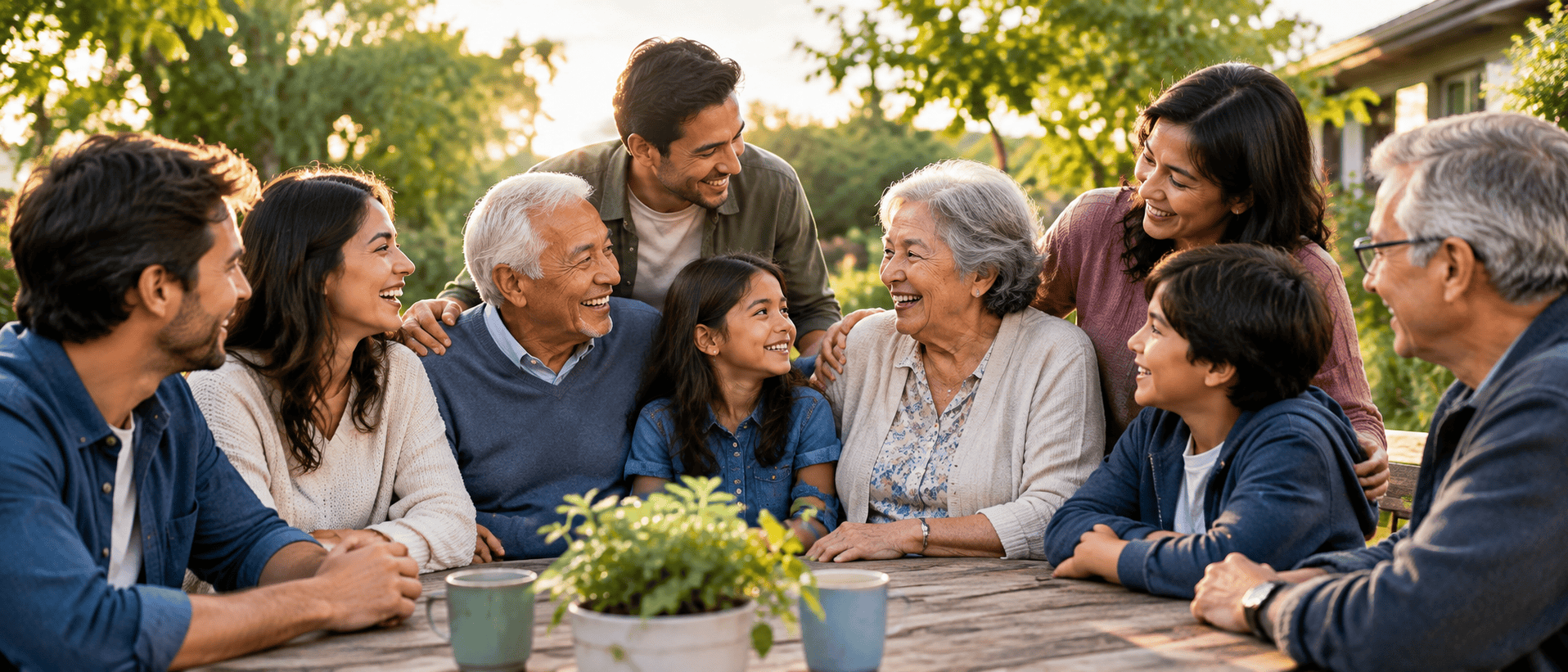
People have searched for the secret to a long and healthy life for centuries. While genetics play a role in how long we live, research shows that lifestyle habits have a much greater influence on longevity. Around the world, certain populations are known for having unusually high numbers of healthy older adults who live well into their 90s and even beyond 100 years of age. Many of these individuals live in regions often referred to as Blue Zones, areas where people experience exceptional longevity and lower rates of chronic disease. These regions include Okinawa in Japan, Sardinia in Italy, Nicoya in Costa Rica, Ikaria in Greece, and Loma Linda in California.
Although these communities come from different cultures and backgrounds, they share many common lifestyle habits. Their daily routines support physical health, mental well-being, and healthy aging. Understanding these habits can provide valuable insights into how we can improve both lifespan and healthspan—the number of years spent in good health. In this article, we will explore the key longevity habits practiced by some of the world’s healthiest and longest-lived people, including their eating patterns, physical activity, social connections, stress-management techniques, sleep habits, and other lifestyle factors that contribute to a longer and healthier life.
1. Eating a Mostly Plant-Based Diet
One of the most common habits among the world’s longest-lived people is eating a diet centered around plant foods. Their meals are typically rich in vegetables, fruits, beans, legumes, whole grains, nuts, and seeds. These foods provide essential vitamins, minerals, fiber, and antioxidants that help protect the body from oxidative stress and inflammation, two major contributors to aging and chronic disease. Plant-based diets have been associated with lower risks of heart disease, diabetes, obesity, and certain cancers. While some long-lived populations consume small amounts of meat, it is usually eaten occasionally and in much smaller portions than in typical Western diets. This dietary pattern supports overall health and promotes longevity.
2. Maintaining a Healthy Body Weight
Many of the world’s healthiest older adults maintain a healthy body weight throughout their lives. Excess body fat, especially around the abdomen, is linked to increased inflammation, insulin resistance, cardiovascular disease, and other age-related conditions. Long-lived individuals generally achieve healthy weight levels through balanced eating habits and regular physical activity rather than strict dieting. By avoiding excessive calorie intake and focusing on nutrient-dense foods, they reduce the burden on their bodies and lower their risk of chronic diseases. Maintaining a healthy weight also helps preserve mobility, joint health, and metabolic function as people age.
3. Practicing Portion Control
A key habit observed in many long-lived populations is eating moderate portions and avoiding overeating. In Okinawa, Japan, many people follow the practice of “Hara Hachi Bu,” which encourages eating until about 80% full rather than until completely satisfied. This habit helps reduce excessive calorie consumption while still providing adequate nutrition. Portion control can support healthy body weight, improve blood sugar regulation, and reduce stress on the digestive system. Over time, consuming moderate amounts of food may contribute to better metabolic health and lower risks of obesity and chronic disease, both of which are important for healthy aging.
4. Staying Physically Active Every Day
Regular movement is one of the strongest factors associated with longevity. Many of the world’s longest-lived people do not follow structured exercise programs but instead remain active throughout the day. Activities such as walking, gardening, farming, household chores, and other forms of natural movement keep their bodies engaged. Daily physical activity helps maintain cardiovascular health, muscle strength, flexibility, and balance. It also supports healthy metabolism, improves circulation, and enhances mitochondrial function, which is essential for energy production. Consistent movement throughout life helps individuals remain independent and physically capable as they age.
5. Preserving Muscle Mass and Strength
Maintaining muscle mass and strength is essential for healthy aging. As people grow older, they naturally lose muscle tissue, a condition known as sarcopenia. Long-lived individuals often remain physically active and engage in activities that challenge their muscles, helping preserve strength and mobility. Healthy muscles support balance, posture, metabolism, and overall physical function. They also improve insulin sensitivity and reduce the risk of falls and fractures. Combined with adequate protein intake and regular movement, maintaining muscle mass allows older adults to stay independent and enjoy a higher quality of life.
6. Building Strong Social Connections
Strong social relationships are a common characteristic among healthy and long-lived populations. Friends, family members, neighbors, and community groups provide emotional support and a sense of belonging. Research has shown that people with strong social networks often experience lower levels of stress, depression, and anxiety. Social interaction also stimulates the brain and may help preserve cognitive function with age. By maintaining meaningful relationships throughout life, individuals can improve their emotional well-being and potentially increase their lifespan.
7. Having a Sense of Purpose
Many long-lived people have a clear sense of purpose that motivates them each day. Whether it involves family, work, community service, hobbies, or personal goals, having meaningful reasons to stay engaged can positively affect mental and physical health. A strong sense of purpose has been associated with lower stress levels, better emotional resilience, and healthier lifestyle choices. People who feel their lives have meaning are often more motivated to remain active, maintain social connections, and care for their health. This psychological factor appears to play an important role in healthy aging and longevity.
8. Managing Stress Effectively
Chronic stress can negatively affect nearly every system in the body and may accelerate the aging process. Long-lived populations often incorporate stress-reducing activities into their daily routines. Practices such as prayer, meditation, spending time with loved ones, taking naps, walking in nature, and engaging in relaxing hobbies help lower stress levels. Effective stress management can reduce the production of stress hormones like cortisol, decrease inflammation, improve immune function, and support heart health. By regularly managing stress, individuals may protect themselves from many age-related health problems.
9. Prioritizing Quality Sleep
Sleep is one of the most important pillars of health and longevity. During sleep, the body repairs tissues, regulates hormones, strengthens the immune system, and processes memories. Many long-lived individuals maintain consistent sleep schedules and prioritize adequate rest. Poor sleep has been linked to obesity, diabetes, cardiovascular disease, cognitive decline, and increased inflammation. Quality sleep supports both physical and mental health, helping individuals maintain energy, focus, and resilience as they age. Consistently getting enough restorative sleep may contribute significantly to a longer and healthier life.
10. Maintaining Strong Family Ties
Family relationships play an important role in many of the world’s longest-lived communities. Older adults often remain closely connected to their children, grandchildren, and extended family members. These relationships provide emotional support, companionship, and a sense of purpose. Family members may also encourage healthy behaviors and help each other during difficult times. Strong family bonds can reduce loneliness, improve mental well-being, and create a supportive environment that promotes long-term health and longevity.
11. Avoiding Smoking
Avoiding tobacco use is one of the most effective ways to increase lifespan and improve health. Smoking damages nearly every organ in the body and significantly increases the risk of heart disease, stroke, lung disease, and many forms of cancer. Many long-lived populations have historically had low smoking rates, which may contribute to their exceptional longevity. People who avoid smoking generally maintain better lung function, healthier blood vessels, and lower levels of chronic inflammation. Not smoking can greatly improve both lifespan and quality of life.
12. Drinking Alcohol in Moderation or Not at All
The longest-lived populations typically consume alcohol in moderation, if they drink at all. Excessive alcohol consumption can increase the risk of liver disease, cardiovascular problems, certain cancers, and cognitive decline. Some communities may enjoy small amounts of alcohol during meals or social gatherings, but heavy drinking is uncommon. Moderation helps minimize the harmful effects of alcohol while supporting overall health. For many people, limiting alcohol intake is an important component of a longevity-focused lifestyle.
13. Spending Time Outdoors
Many healthy and long-lived individuals spend a significant amount of time outdoors throughout their lives. Outdoor activities encourage physical movement, exposure to natural light, and interaction with nature. Sunlight helps the body produce vitamin D, which is important for bone health, immune function, and overall well-being. Time spent in natural environments can also reduce stress, improve mood, and support better sleep. Regular outdoor activity contributes to both physical and mental health, making it a valuable habit for healthy aging.
14. Following Consistent Daily Routines
Long-lived individuals often maintain structured daily routines that support healthy habits. Regular meal times, sleep schedules, physical activity, and social interactions help regulate the body’s internal biological clock. Consistent routines can improve sleep quality, digestion, metabolism, and overall well-being. By reducing unpredictability and promoting healthy behaviors, daily routines create a stable foundation for long-term health and longevity.
15. Staying Mentally Active
Keeping the brain engaged is an important part of healthy aging. Many long-lived individuals continue learning, reading, solving problems, socializing, gardening, or participating in community activities well into old age. Mental stimulation helps strengthen neural connections and supports cognitive function. Research suggests that staying mentally active may reduce the risk of cognitive decline and dementia. Lifelong learning and engagement help individuals maintain memory, focus, and independence as they age.
16. Living in Supportive Communities
The environment in which people live can have a major impact on their health. Long-lived populations often reside in communities that encourage healthy behaviors through walkable neighborhoods, strong social networks, access to nutritious foods, and opportunities for daily movement. Supportive communities make it easier for individuals to stay active, maintain relationships, and engage in meaningful activities. These environmental factors can contribute significantly to overall health, happiness, and longevity.
17. Maintaining a Positive Outlook on Life
Many centenarians and long-lived individuals share a positive outlook on life. They often practice gratitude, maintain hope during challenges, and focus on meaningful relationships and experiences. A positive mindset can help reduce stress, improve emotional resilience, and encourage healthy behaviors. Research suggests that optimism may be associated with better cardiovascular health, stronger immune function, and longer lifespan. While positive thinking alone cannot prevent aging, it can support overall well-being and contribute to healthier aging over time.
Conclusion
The world’s healthiest and longest-lived people do not rely on a single miracle food, supplement, or anti-aging treatment. Instead, they follow a collection of healthy habits consistently over many decades. These habits work together to reduce chronic disease risk, support metabolic and cardiovascular health, preserve physical and cognitive function, and promote healthy aging. By adopting some of these proven habits, people can improve their chances of living longer, healthier, and more fulfilling lives.