NAD+ (nicotinamide adenine dinucleotide) is an essential molecule that helps the body produce energy, repair damaged DNA, maintain healthy cells, and support normal brain function. It plays a critical role in metabolism and several biological processes associated with aging. As people grow older, NAD+ levels may decline in certain tissues, potentially affecting how cells produce energy and respond to stress.
Because of its role in cellular health, NAD+ has become an important topic in longevity research. Scientists are investigating whether maintaining NAD+ levels could help support mitochondrial function, improve metabolic health, and protect cells from age-related damage. Several lifestyle habits, including regular exercise, a balanced diet, adequate sleep, and maintaining metabolic health, may support the body’s NAD+ metabolism. This article explains what NAD+ is, how it works, why its levels may decline with age, and which natural strategies may help to boost NAD+ levels naturally.
What Is NAD+?
NAD+ stands for nicotinamide adenine dinucleotide. It is a coenzyme found in nearly every cell in the body and is essential for many biological reactions. A coenzyme helps enzymes carry out chemical processes that keep cells functioning properly. NAD+ is especially important for converting nutrients from food into usable energy. NAD+ also supports several processes involved in cellular maintenance and healthy aging. It is required by sirtuins, a family of proteins involved in metabolism, cellular stress responses, and gene regulation. It is also used by PARP enzymes, which help cells respond to DNA damage. In addition, NAD+ supports normal mitochondrial function and cellular signaling. Because these processes are important for maintaining healthy cells, researchers are studying the role of NAD+ in aging, longevity, and age-related diseases. However, maintaining higher NAD+ levels has not yet been proven to extend human lifespan.
How Does NAD+ Work in the Body?
NAD+ supports cellular energy production by helping the body break down carbohydrates, fats, and proteins. During these metabolic reactions, NAD+ accepts electrons and becomes NADH, its reduced form. NADH then transfers electrons to the mitochondrial electron transport chain, a series of reactions that helps produce ATP, the primary energy source used by cells. This process allows the body to obtain energy from food and use it for essential functions, including movement, tissue maintenance, and organ activity. Beyond energy production, NAD+ helps regulate important cellular processes. It provides the resources needed by sirtuins, which influence metabolism and cellular stress responses, and by PARP enzymes, which participate in DNA repair. NAD+ also plays a role in mitochondrial activity and other signaling pathways. Because it supports both energy production and cellular maintenance, NAD+ is important for normal biological function throughout life. When NAD+ availability or metabolism is disrupted, some of these processes may become less efficient, although the effects vary among tissues and individuals.
Why Do NAD+ Levels Decline With Age?
Research suggests that NAD+ levels decline with age in certain tissues, although the degree of decline varies among individuals and organs. One possible reason is increased DNA damage. As cells experience damage from normal metabolism, ultraviolet radiation, and other environmental factors, PARP enzymes become active to help repair it. These enzymes consume NAD+, and increased demand may contribute to lower NAD+ availability under certain conditions. Another factor is a possible decline in NAD+ production and recycling. The body produces NAD+ using nutrients such as vitamin B3 and the amino acid tryptophan. It also recycles compounds from NAD+ breakdown to create new NAD+. Age-related changes in the enzymes responsible for these processes may affect how efficiently the body maintains NAD+ levels.
Chronic inflammation may also contribute to NAD+ decline. CD38, an enzyme involved in cellular signaling and immune function, consumes NAD+. Some research suggests that increased CD38 activity with age may contribute to lower NAD+ levels. Changes in mitochondrial function and cellular metabolism may further influence NAD+ balance. These processes interact in complex ways, and scientists are still investigating their relative importance in human aging.
Natural Strategies That May Help Maintain Healthy NAD+ Levels
1. Eat Foods Rich in Vitamin B3
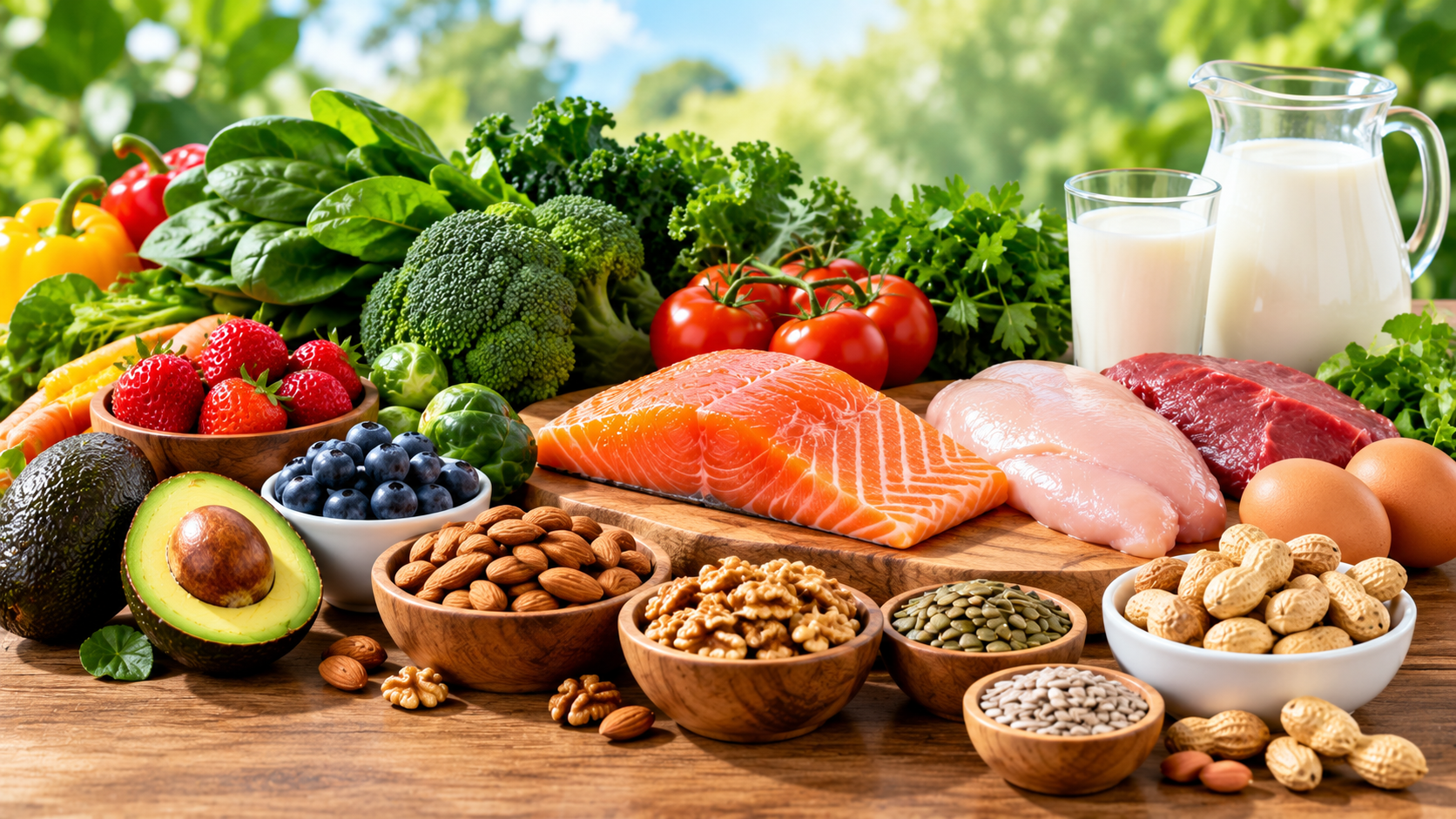
Vitamin B3, also known as niacin, is an essential nutrient that the body uses to produce NAD+. Eating enough niacin helps support normal energy metabolism and cellular function. Good dietary sources include chicken, turkey, fish, lean meat, peanuts, mushrooms and whole grains. Including these foods in a balanced diet can help provide the nutrients needed for NAD+ production.
The body can also produce NAD+ from tryptophan, an essential amino acid found in eggs, dairy products, poultry, fish, soybeans and legumes. Getting enough protein helps supply this amino acid and other building blocks needed by the body. However, consuming more vitamin B3 than the body needs does not necessarily increase NAD+ levels further. High-dose niacin supplements can cause flushing and, at higher doses, liver problems. For most people, obtaining adequate vitamin B3 through food is a sensible starting point.
2. Eat a Balanced, Nutrient-Rich Diet
A balanced diet provides vitamins, minerals, protein, healthy fats, fiber, and other nutrients needed for normal metabolism. Fruits, vegetables, whole grains, legumes, nuts, and seeds can support overall cellular health and help the body maintain the biological processes associated with NAD+. Berries, leafy greens, broccoli and other colorful plant foods provide beneficial compounds that support the body’s normal defenses against cellular stress.
Protein-rich foods such as eggs, fish, beans, lentils, and tofu provide amino acids, including tryptophan, which the body can use to produce NAD+. Whole grains and legumes also provide B vitamins and fiber that support metabolic health. Although no specific food has been proven to prevent age-related NAD+ decline, consistently eating a varied, nutrient-rich diet helps supply the materials required for normal cellular function.
3. Exercise Regularly
Regular exercise supports cardiovascular health, muscle strength, insulin sensitivity, and mitochondrial function. Physical activity also influences biological pathways involved in NAD+ production and consumption, although its direct effects on NAD+ levels vary according to exercise type, intensity, and the tissue being studied.
Aerobic activities such as brisk walking, cycling, swimming, and jogging increase the muscles’ demand for energy. During exercise, NAD+ and NADH help process nutrients and support ATP production. Resistance training, including weightlifting, resistance-band exercises, and bodyweight workouts, helps maintain muscle mass and strength as people age. High-intensity interval training may also improve cardiovascular fitness and mitochondrial function in suitable individuals. However, no single exercise method has been proven to consistently increase NAD+ more than all others. Adults can generally aim for at least 150 minutes of moderate-intensity aerobic activity per week and muscle-strengthening exercise at least two days per week, adjusted to their health and fitness levels.
4. Get Enough High-Quality Sleep
Sleep is essential for normal brain function, metabolic regulation, hormone balance, and recovery. NAD+ metabolism is connected to the body’s circadian clock, which regulates daily patterns of sleep, wakefulness, and biological activity. Research suggests that NAD+ and circadian-regulating proteins influence one another, meaning that disruptions to normal biological rhythms may affect related metabolic processes.
However, the direct relationship between sleep quality and NAD+ levels in humans remains under investigation. Getting enough sleep is not a guaranteed way to increase NAD+, but it supports overall health and the body’s normal biological functions. Most adults should aim for around seven to nine hours of sleep each night. Maintaining a consistent sleep schedule, getting natural daylight in the morning, limiting caffeine later in the day, and creating a dark, quiet sleeping environment can help improve sleep quality.
5. Maintain Healthy Blood Sugar and Metabolic Function
Metabolic health affects how the body processes glucose, fats, and other nutrients. Because NAD+ is essential for energy metabolism, maintaining healthy blood sugar levels and insulin sensitivity may help support the biological systems that depend on it. Persistently elevated blood sugar and insulin resistance can contribute to mitochondrial dysfunction, inflammation and cellular stress which may interact with NAD+ metabolism.
Regular exercise, balanced meals, adequate sleep, and sustainable weight management can help improve metabolic health. Maintaining a healthy body weight may also reduce the risk of conditions associated with chronic inflammation and insulin resistance. People with diabetes or prediabetes should follow an appropriate medical care plan, as lifestyle changes and NAD+-related supplements should not replace established treatments.
6. Consider Intermittent Fasting Carefully
Intermittent fasting involves alternating periods of eating with periods without food. One common approach is time-restricted eating, in which meals are consumed within a consistent daily window. During fasting, insulin levels generally decrease, and the body changes how it uses stored energy. These changes can influence nutrient-sensing pathways, mitochondrial function and biological processes associated with NAD+ and sirtuins.
Researchers are investigating whether fasting can support NAD+ metabolism and cellular maintenance. However, evidence that intermittent fasting reliably increases NAD+ levels in humans remains limited and inconsistent. Some benefits, such as improved blood sugar control or weight management, may result from reduced calorie intake rather than fasting itself. A sustainable overnight break between dinner and breakfast may be more practical than prolonged fasting. People who are pregnant, have a history of eating disorders, or take certain diabetes medications should seek medical guidance before attempting fasting.
7. Support Mitochondrial Health
Mitochondria are structures inside cells that produce much of the ATP required for normal biological functions. NAD+ plays an essential role in this process by accepting electrons during metabolic reactions and becoming NADH. NADH then delivers electrons to the mitochondrial electron transport chain, helping drive ATP production. Because NAD+ is central to energy metabolism, supporting mitochondrial health is an important part of maintaining normal cellular function.
Regular exercise, a balanced diet, sufficient sleep, and avoiding smoking can help support mitochondrial function and overall health. Limiting excessive alcohol consumption and managing conditions such as diabetes and cardiovascular disease are also important. These habits can promote healthy metabolism, although improvements in mitochondrial function do not necessarily mean that NAD+ concentrations will increase in every tissue.
8. Include Polyphenol-Rich Foods
Polyphenols are natural compounds found in plant foods such as berries, grapes, tea, cocoa, nuts, and vegetables. Researchers are studying their possible effects on inflammation, metabolic health, and cellular stress responses. Some laboratory studies suggest that certain plant compounds, including resveratrol, may influence sirtuins and other pathways associated with NAD+ metabolism.
However, much of this evidence comes from laboratory and animal studies, and the effects in humans remain uncertain. It is not yet clear whether specific polyphenol-rich foods directly increase NAD+ levels in people. Including berries, vegetables, nuts, and unsweetened tea in a balanced diet can support overall health, but these foods should not be considered proven NAD+-boosting treatments.
9. Avoid Smoking and Limit Alcohol
Smoking exposes the body to harmful chemicals that increase oxidative stress and damage cells. Avoiding tobacco supports cardiovascular health and reduces exposure to substances that can harm normal cellular function. Excessive alcohol consumption can also disrupt liver function, sleep, nutrient status, and metabolic health.
Alcohol metabolism uses NAD+ and changes the NAD+/NADH balance in the liver. Heavy alcohol consumption can therefore interfere with normal metabolic processes, although the effect on long-term NAD+ levels varies and should not be oversimplified. Avoiding smoking and limiting or avoiding alcohol are practical ways to support overall health and reduce factors that may contribute to cellular stress.
10. Manage Chronic Stress
Chronic stress can affect sleep, hormone regulation, inflammation, and everyday health habits. These changes may influence metabolic health, although the direct relationship between psychological stress and NAD+ levels in humans has not been clearly established. Managing stress is still valuable because it can support well-being and help people maintain healthy routines.
Regular physical activity, spending time outdoors, maintaining social connections, and practicing relaxation techniques may help reduce stress. Meditation and slow breathing exercises can also be useful for some people. Maintaining a consistent sleep schedule and allowing time for recovery can further support overall health. These approaches are not proven methods for directly increasing NAD+, but they can contribute to a lifestyle that supports healthy aging.
11. Understand NAD+ Precursors and Supplements
NAD+ precursors are substances that the body uses to produce NAD+. Niacin, nicotinamide riboside (NR), and nicotinamide mononucleotide (NMN) have received particular attention in longevity research. Niacin is a form of vitamin B3 found in many foods, while NR and NMN are compounds studied for their ability to influence NAD+ availability.
Human studies have found that NR and NMN supplementation can increase certain NAD+-related measurements under some conditions. However, it remains uncertain whether these changes lead to meaningful long-term benefits, such as preventing age-related diseases or extending human lifespan. The long-term safety and effectiveness of these supplements also require further study. Supplements are not necessary for everyone, and high-dose vitamin B3 can cause adverse effects. People considering NAD+ precursors should discuss their use with a qualified healthcare professional, particularly if they have medical conditions or take medications.
Conclusion
NAD+ is essential for energy production, DNA repair, mitochondrial function, and the activity of proteins involved in cellular maintenance. The most practical approach is to focus on sustainable habits that improve overall health rather than chasing higher NAD+ levels alone. More long-term human studies are needed to determine whether raising NAD+ can meaningfully slow aging, prevent disease or extend lifespan.