In the field of nutrition, many essential compounds contribute to human health beyond the commonly discussed vitamins and minerals and taurine is one of the most important among them. Taurine is a naturally occurring compound that plays a critical role in supporting several vital functions in the body, yet it often goes unnoticed in everyday dietary discussions. While many people recognize taurine because of its inclusion in energy drinks, its presence in natural foods is far more beneficial and significant for long-term health. The body can produce taurine on its own, but this production is often insufficient during periods of stress, illness, aging, or intense physical activity. Therefore, obtaining taurine through diet becomes highly important. Understanding taurine, how it works, and which foods provide it can help individuals make better nutritional choices that support overall well-being and long-term health.
What Is Taurine?
Taurine is a sulfur-containing organic compound that is commonly classified as an amino acid, although it does not function in the same way as typical amino acids that build proteins. Instead, taurine exists freely in the body and is found in high concentrations in vital organs such as the brain, heart, eyes, and muscles, where it supports a wide range of physiological processes. It is produced in the liver from other amino acids like cysteine and methionine, but this process depends on adequate levels of certain nutrients, including vitamin B6. Because of this, taurine is considered a conditionally essential nutrient, meaning that under certain conditions—such as illness, stress, or poor diet—the body may not be able to produce enough, making dietary intake necessary. Taurine is especially important during early development, aging, and in individuals with limited protein intake, such as vegetarians or vegans.
How Taurine Works in the Body
Taurine works in the body through multiple mechanisms that support both cellular and systemic health. One of its primary roles is regulating the balance of fluids and electrolytes within cells, which is essential for maintaining proper cell function and stability. It also plays a crucial role in controlling calcium levels inside cells, which directly affects muscle contraction, nerve signaling, and heart rhythm. In addition, taurine acts as a powerful antioxidant, helping to protect cells from damage caused by free radicals and reducing oxidative stress, which is linked to aging and many chronic diseases. Another key function of taurine is its involvement in the formation of bile salts, which are necessary for the digestion and absorption of dietary fats and fat-soluble vitamins. In the nervous system, taurine supports brain health by regulating neurotransmitters, promoting calmness, and improving focus. It also exhibits anti-inflammatory properties, helping to reduce chronic inflammation and support overall immune function.
10 Foods High in Taurine
1. Shellfish
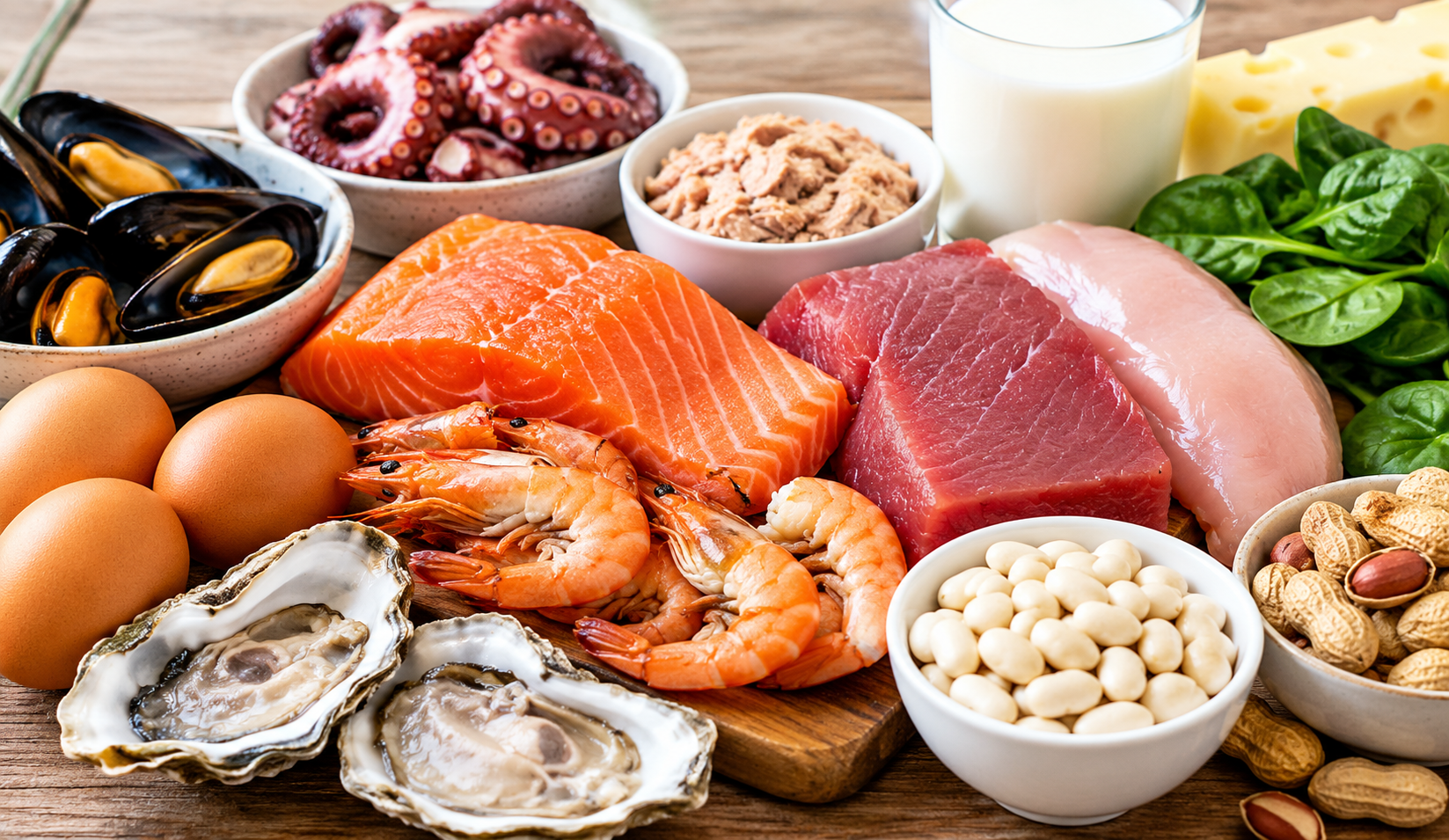
Shellfish such as clams, mussels, and oysters are widely recognized as the richest natural sources of taurine, often containing significantly higher concentrations than most other foods. Among them, clams stand out in particular, as they can provide exceptionally high taurine levels per serving, making them one of the most efficient dietary sources available. In addition to taurine, shellfish are packed with essential nutrients like iron, zinc, selenium, and vitamin B12, all of which contribute to improved immune function, better oxygen transport in the blood, and enhanced energy production. Regular consumption of shellfish can support heart health, boost stamina, and even improve cognitive function due to their dense nutrient profile. It is also important to note that fresh, minimally processed shellfish retain the highest taurine content, while excessive cooking or processing may reduce some of their nutritional value. Including shellfish in a balanced diet, even occasionally, can significantly contribute to maintaining optimal taurine levels in the body.
2. Dark Meat Poultry
Dark meat poultry, such as chicken thighs and turkey legs, contains higher levels of taurine compared to white meat because these parts of the animal are more actively used muscles. This makes dark meat a valuable and practical source of taurine for everyday diets, especially since it is affordable and widely available in most regions. In addition to taurine, dark poultry meat is rich in high-quality protein, iron, and B vitamins, which are essential for energy production, muscle repair, and maintaining a healthy metabolism. Consuming dark meat poultry can help sustain energy levels throughout the day and support physical performance, particularly for individuals with active lifestyles. Furthermore, it contributes to overall nutritional balance when included as part of a varied diet. Cooking methods also play an important role; roasting, grilling, or baking helps preserve nutrients better than deep frying, which can add unhealthy fats and reduce the overall health benefits of the food.
3. Beef
Beef is another excellent source of taurine, with particularly high concentrations found in organ meats such as liver and heart. These organ meats are often considered nutritional powerhouses because they provide a dense supply of essential nutrients in addition to taurine, including vitamin B12, iron, zinc, and coenzyme Q10. These nutrients are vital for red blood cell production, oxygen transport, and maintaining a healthy cardiovascular system. Including beef in the diet can support muscle growth, improve energy levels, and contribute to overall vitality. Organ meats, although less commonly consumed in some diets, offer exceptional nutritional value and can be a highly efficient way to boost taurine intake. Additionally, choosing grass-fed beef may provide a better overall nutrient profile, including healthier fats and higher antioxidant levels. However, moderation is important, as excessive consumption of red meat may have health implications if not balanced properly.
4. Fish
Fish, particularly fatty varieties such as tuna, salmon, mackerel, and sardines, is a highly beneficial source of taurine that also provides heart-healthy omega-3 fatty acids. This combination makes fish one of the most valuable foods for supporting overall health, especially cardiovascular and brain function. Taurine and omega-3s work together to reduce inflammation, improve blood circulation, and enhance cognitive performance. Fish is also generally easier to digest compared to red meat, making it a suitable option for individuals with sensitive digestive systems. Regular consumption of fish can help lower the risk of chronic diseases such as heart disease and support mental clarity and mood stability. It is also worth noting that fatty fish tend to contain higher taurine levels than lean fish, making them a better choice for maximizing intake. Including fish in meals several times a week can significantly contribute to maintaining a healthy balance of essential nutrients.
5. Pork
Pork provides moderate amounts of taurine and is one of the most commonly consumed meats worldwide, making it an accessible option for many people. It is highly versatile in cooking and can be prepared in a variety of ways, allowing it to fit into different cuisines and dietary preferences. In addition to taurine, pork is rich in protein, thiamine (vitamin B1), and selenium, all of which play important roles in energy metabolism, nervous system function, and immune support. Consuming pork in balanced portions can help maintain steady energy levels and support overall bodily functions. Lean cuts of pork, such as tenderloin, are particularly beneficial as they contain less fat while still providing essential nutrients. Choosing healthier cooking methods and avoiding excessive processing can further enhance the nutritional value of pork as part of a balanced diet.
6. Lamb
Lamb is another red meat that contains significant levels of taurine along with a wide range of essential nutrients that support overall health. It is a rich source of high-quality protein, which is important for muscle growth, tissue repair, and maintaining body strength. Lamb also provides important micronutrients such as zinc and B vitamins, which contribute to immune function, hormone production, and metabolic processes. The presence of taurine in lamb adds to its value by supporting heart health and cellular function. While lamb can be highly nutritious, it is also relatively higher in saturated fat compared to other meats, so it should be consumed in moderation as part of a balanced diet. When prepared properly and eaten in appropriate portions, lamb can be a valuable addition to a taurine-rich dietary plan.
7. Dairy Products
Dairy products such as milk, cheese, and yogurt contain smaller but consistent amounts of taurine, making them a useful addition to the diet, particularly for individuals who consume less meat or seafood. In addition to taurine, dairy foods are rich in calcium, protein, and other essential nutrients that support bone health, muscle function, and overall growth. Yogurt, in particular, offers the added benefit of probiotics, which promote a healthy digestive system and improve gut health. Regular consumption of dairy can contribute to maintaining steady taurine levels while also providing a wide range of nutritional benefits. Fermented dairy products like yogurt and certain cheeses may offer enhanced health advantages due to their positive effects on digestion and nutrient absorption. Including a variety of dairy foods in daily meals can help support overall nutritional balance.
8. Eggs
Eggs contain modest amounts of taurine but are considered one of the most complete and nutrient-dense foods available. They provide high-quality protein along with essential nutrients such as choline, vitamins, and healthy fats, all of which support brain function, muscle repair, and overall health. Eggs are particularly valuable because they offer a balanced combination of nutrients that are easily absorbed by the body. The yolk contains most of the vitamins and beneficial compounds, including taurine, making whole eggs a better choice than egg whites alone. Regular consumption of eggs can support energy levels, improve cognitive performance, and contribute to maintaining strong muscles and tissues. Their versatility and affordability also make them an easy and practical addition to a taurine-supporting diet.
9. Seaweed
Seaweed, particularly certain types of red seaweed, is one of the few plant-based sources of taurine, making it especially valuable for vegetarians and vegans. Although the taurine content in seaweed is generally lower than in animal-based foods, it still contributes to overall intake while providing a wide range of additional nutrients. Seaweed is rich in iodine, antioxidants, and trace minerals, which are essential for thyroid function, metabolism, and cellular protection. Including seaweed in the diet can help support hormonal balance and overall health, especially for those who do not consume meat or seafood. It is commonly used in various cuisines and can be added to soups, salads, or snacks. While it may not be the most concentrated source of taurine, its unique nutritional profile makes it a valuable component of a balanced diet.
10. Energy Drinks
Energy drinks often contain synthetic taurine that is added during the manufacturing process to enhance their perceived energy-boosting effects. These beverages are designed to increase alertness and reduce fatigue, often combining taurine with caffeine and sugar for a stimulating effect. While they do provide taurine, they are not considered a healthy or reliable primary source due to their high sugar content and excessive caffeine levels, which can lead to negative health effects such as increased heart rate, anxiety, and sleep disturbances. Relying on energy drinks for taurine intake is not recommended, especially for long-term health. Instead, natural food sources should always be prioritized, as they provide taurine along with a wide range of other essential nutrients without the potential risks associated with highly processed beverages. Moderation is key if energy drinks are consumed at all.
Why Does the Body Need Taurine?
Taurine is essential because it supports a wide range of critical functions that are necessary for maintaining overall health and proper body performance. One of its most important roles is in heart health, where it helps regulate blood pressure, stabilize heart rhythm, and improve overall cardiovascular efficiency, reducing the risk of heart-related issues over time. In the brain and nervous system, taurine enhances cognitive performance, supports mental clarity, reduces stress, and promotes a sense of calmness by helping to balance neurotransmitters. It also plays a significant role in muscle performance, where it improves endurance, reduces muscle fatigue, and aids in faster recovery after physical activity, making it especially beneficial for active individuals and athletes. Additionally, taurine is crucial for eye health, as it helps maintain proper retinal function and protects against vision degeneration, which becomes increasingly important with age. In terms of metabolic health, taurine contributes to the regulation of blood sugar levels and supports insulin sensitivity, helping the body manage energy more efficiently and potentially lowering the risk of metabolic disorders. Furthermore, taurine strengthens the immune system by reducing inflammation and enhancing the body’s natural defense mechanisms against infections and cellular damage. Beyond these functions, taurine also supports cellular hydration, electrolyte balance, and antioxidant protection, all of which are vital for maintaining internal stability and preventing chronic diseases. Although taurine deficiency is relatively rare, low levels can lead to symptoms such as fatigue, weakened immunity, poor heart function, and vision problems, highlighting the importance of maintaining adequate taurine levels through a balanced diet and healthy lifestyle.
Conclusion
In conclusion, taurine is a highly valuable compound that supports a wide range of essential functions in the human body, from heart and brain health to muscle performance and cellular protection. Although the body has the ability to produce taurine naturally, dietary intake becomes increasingly important in ensuring optimal levels, particularly during periods of stress, aging or increased physical demand. By understanding the importance of taurine and making informed dietary choices, individuals can take a meaningful step toward maintaining long-term health, energy and vitality.