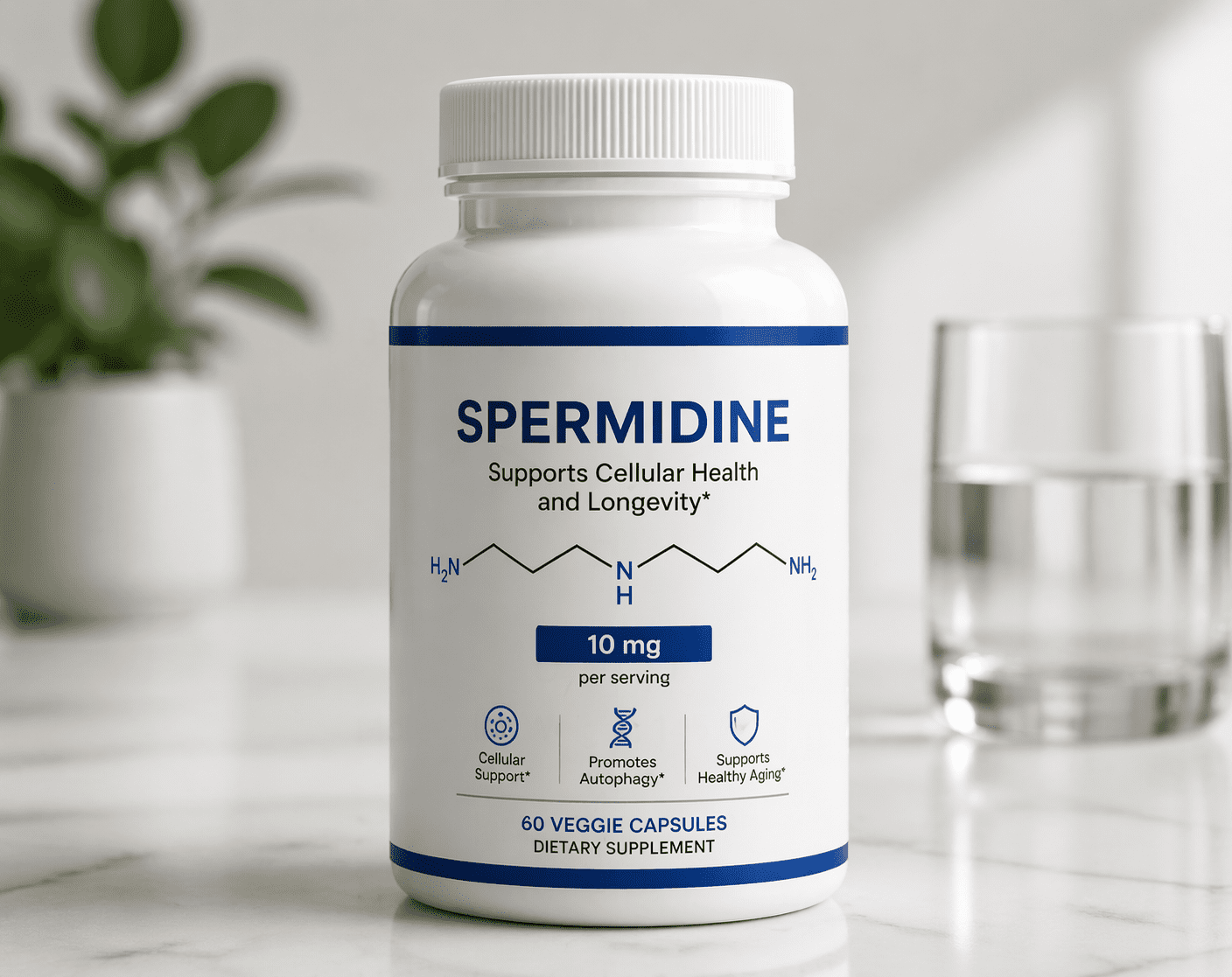
Spermidine is a naturally occurring compound that has gained significant attention in recent years for its potential role in health, longevity and cellular maintenance. It belongs to a group of molecules known as polyamines, which are essential for cell growth, stability, and function. Found in a wide variety of foods and produced in small amounts by the body itself, spermidine has become a topic of growing interest in fields such as Biochemistry and Gerontology.
What Is Spermidine?
Spermidine is a polyamine derived from another compound called putrescine. It plays a crucial role in cellular processes such as DNA stabilization, cell growth, and programmed cell death (apoptosis). One of its most notable functions is its ability to stimulate Autophagy—a natural process in which the body removes damaged or dysfunctional cellular components and recycles them. Autophagy is essential for maintaining healthy cells, especially as we age. As this process declines over time, the accumulation of cellular waste can contribute to aging and age-related diseases. Spermidine helps reactivate and support this process, making it a promising compound for longevity research.
How Does Spermidine Work?
Spermidine works by supporting and regulating essential processes within cells, helping them function efficiently and stay healthy over time. One of its primary actions is activating Autophagy, a natural mechanism through which cells break down and recycle damaged components, such as misfolded proteins and worn-out organelles. This “cellular cleanup” process is crucial for preventing the buildup of harmful waste that can contribute to aging and disease. In addition, spermidine stabilizes important molecules like DNA and RNA, ensuring proper gene expression and protein production. It also helps reduce oxidative stress and inflammation while supporting energy production within cells by maintaining mitochondrial function. Through these combined effects, spermidine enhances cellular resilience, promotes repair and renewal, and plays a key role in maintaining overall health and longevity.
Health Benefits of Spermidine
1. Promotes Cellular Longevity
One of the most widely studied benefits of spermidine is its ability to stimulate Autophagy, a vital mechanism that allows cells to remove damaged proteins and worn-out components. As the body ages, this process naturally becomes less efficient, leading to the buildup of cellular waste and dysfunction. Spermidine helps reactivate and sustain autophagy, essentially allowing cells to “renew” themselves more effectively. This improved cellular housekeeping has been linked to increased lifespan in various organisms, from yeast to mammals. By preserving cellular integrity and function, spermidine may slow biological aging, enhance energy production, and support overall vitality at a foundational level.
2. Supports Heart Health
Spermidine has shown promising effects on cardiovascular health, making it an important compound for maintaining a healthy heart over time. It may help regulate blood pressure by improving the flexibility and function of blood vessels, allowing them to expand and contract more efficiently. This reduces strain on the heart and lowers the risk of hypertension. Additionally, spermidine’s anti-inflammatory and antioxidant properties help protect blood vessels from damage caused by oxidative stress, which is a major contributor to plaque buildup and arterial stiffness. Some long-term studies suggest that higher dietary intake of spermidine is associated with a reduced risk of cardiovascular diseases, including heart failure and stroke, highlighting its potential role in long-term heart protection.
3. Enhances Brain Function
Spermidine plays a supportive role in maintaining brain health by protecting neurons and enhancing communication between brain cells. It helps reduce oxidative stress, a key factor in cognitive decline, and supports the removal of toxic protein accumulations through autophagy. These effects are particularly important in the context of aging, where declining cellular function can impair memory and learning ability. Research suggests that spermidine may help preserve cognitive performance, improve memory retention, and support mental clarity. It is also being studied for its potential role in delaying or mitigating neurodegenerative diseases such as Alzheimer’s disease, where the accumulation of damaged proteins plays a central role.
4. Boosts Immune Function
The immune system relies heavily on the proper functioning and renewal of its cells, and spermidine contributes to this process by supporting cellular health and regeneration. It helps regulate the activity of immune cells, enabling them to respond more efficiently to infections and harmful invaders. Spermidine may also assist in maintaining a balanced immune response, preventing both underactivity (which can lead to infections) and overactivity (which can result in autoimmune issues). By promoting autophagy in immune cells, it ensures that damaged or dysfunctional components are removed, allowing the immune system to operate more effectively. This makes spermidine particularly valuable in maintaining resilience against illness, especially as immune efficiency tends to decline with age.
5. May Reduce Inflammation
Chronic inflammation is a silent driver behind many long-term health conditions, including metabolic disorders, cardiovascular diseases, and even certain cancers. Spermidine has demonstrated the ability to reduce inflammatory markers in the body, helping to create a more balanced internal environment. It achieves this partly by improving cellular cleanup processes and reducing oxidative stress, both of which contribute to inflammation when left unchecked. By lowering chronic inflammation, spermidine may help decrease the risk of conditions such as Type 2 Diabetes and other inflammation-related diseases. This anti-inflammatory effect also supports overall tissue health and recovery.
6. Supports Hair and Skin Health
Spermidine’s role in cellular growth and regeneration extends to visible aspects of health, such as the skin and hair. In the skin, it supports the renewal of cells, helping to maintain elasticity, hydration, and a more youthful appearance. By reducing oxidative damage, spermidine may also help slow the formation of wrinkles and other signs of aging. In terms of hair health, research suggests that spermidine can prolong the anagen (growth) phase of hair follicles, which may lead to stronger, thicker, and healthier hair over time. This makes it an area of growing interest in both dermatology and cosmetic science, as maintaining active and healthy cells is key to long-lasting skin and hair vitality.
Brain Function and Cognitive Benefits of Spermidine
Spermidine has emerged as a promising compound for supporting brain health and preserving cognitive function, particularly as the brain ages. One of its key roles is activating Autophagy within neurons, which helps remove damaged proteins and cellular debris that can otherwise accumulate and interfere with normal brain activity. This process is especially important because the buildup of toxic proteins is strongly linked to neurodegenerative conditions such as Alzheimer’s disease. By enhancing this natural cleanup system, spermidine may help protect neurons from degeneration and maintain their proper function over time.
In addition to supporting cellular cleanup, spermidine helps reduce oxidative stress in the brain—one of the major contributors to cognitive decline. It protects brain cells from damage caused by free radicals and supports mitochondrial function, ensuring that neurons have the energy they need to communicate effectively. This can lead to improvements in memory, learning capacity, and overall mental clarity. Some research also suggests that spermidine may enhance synaptic plasticity, which is the brain’s ability to form and strengthen connections between neurons, a process essential for learning and memory formation. Altogether, these effects position spermidine as a potentially valuable compound for maintaining long-term cognitive performance and supporting healthy brain aging.
Hair Growth and Aesthetic Benefits of Spermidine
Spermidine plays a significant role in promoting hair growth and improving overall aesthetic health by supporting cellular regeneration and prolonging the life cycle of hair follicles. Hair growth occurs in cycles, and one of the most important phases is the anagen (growth) phase. Research suggests that spermidine can extend this phase, allowing hair to grow for a longer period before shedding. This may result in thicker, stronger, and more resilient hair over time. By supporting the activity and vitality of hair follicle cells, spermidine helps maintain consistent and healthy hair production.
Beyond hair growth, spermidine also contributes to skin health by enhancing the renewal and repair of skin cells. Its ability to reduce oxidative stress and inflammation helps protect the skin from environmental damage, such as UV exposure and pollution, which can accelerate aging. As a result, spermidine may help improve skin texture, maintain elasticity, and reduce the appearance of fine lines and wrinkles. Its role in cellular maintenance ensures that skin cells remain functional and rejuvenated, contributing to a more youthful and vibrant appearance. These combined effects have made spermidine an increasingly popular ingredient in both nutritional supplements and cosmetic research focused on beauty and anti-aging.
Natural Food Sources of Spermidine
Spermidine is widely available in a variety of natural foods, particularly those that are plant-based, minimally processed, or fermented. Including these foods in your daily diet is one of the safest and most effective ways to maintain healthy spermidine levels and support essential cellular processes like Autophagy. Below are some of the richest and most commonly consumed sources:
Whole Grains
Whole grains are among the richest and most reliable sources of spermidine in the human diet. Unlike refined grains, whole grains retain all parts of the grain kernel—including the bran, germ, and endosperm—where many beneficial compounds are concentrated. Foods such as wheat germ, brown rice, oats, barley, and whole wheat products contain substantial amounts of spermidine, with wheat germ standing out as one of the highest natural sources available. Incorporating whole grains into daily meals not only supports spermidine intake but also provides dietary fiber, B vitamins, and essential minerals that improve digestion, regulate blood sugar levels, and promote long-term metabolic health. Regular consumption of whole grains can therefore have a compounding effect on both cellular function and overall wellness.
Legumes
Legumes are another excellent source of spermidine and are particularly valuable in both vegetarian and non-vegetarian diets. This group includes lentils, chickpeas, green peas, beans, and especially soybeans, which are known for their high spermidine content. Soy-based foods such as tofu, tempeh, miso, and natto are especially beneficial, as they often undergo fermentation, a process that can further increase spermidine levels. Beyond spermidine, legumes are rich in plant-based protein, complex carbohydrates, and fiber, making them essential for muscle maintenance, digestive health, and sustained energy. Their versatility in cooking also makes them easy to incorporate into a wide variety of meals, from soups and stews to salads and traditional dishes.
Fermented Foods
Fermented foods are particularly noteworthy because the fermentation process can significantly enhance spermidine content. During fermentation, beneficial microorganisms break down food components and produce bioactive compounds, including spermidine. Common examples include aged cheeses, yogurt, kefir, sauerkraut, kimchi, and traditional fermented soy products like miso and natto. In addition to providing spermidine, these foods are rich in probiotics, which support a healthy gut microbiome. A well-balanced gut environment not only aids digestion but may also influence immune function, nutrient absorption, and even mental health. As a result, fermented foods offer a dual benefit: boosting spermidine intake while improving overall gut and metabolic health.
Mushrooms
Mushrooms are a unique and valuable source of spermidine, offering a combination of low calories and high nutritional value. Varieties such as shiitake, maitake, and common button mushrooms contain notable levels of spermidine along with other beneficial compounds like beta-glucans, which support immune function. Mushrooms also provide antioxidants that help combat oxidative stress, a major contributor to cellular aging. Their versatility in cooking—whether sautéed, grilled, or added to soups and curries—makes them an easy and flavorful way to enhance both nutrition and spermidine intake.
Nuts and Seeds
Nuts and seeds provide moderate amounts of spermidine while also delivering a dense concentration of nutrients. Almonds, hazelnuts, walnuts, sunflower seeds, and pumpkin seeds are among the most common sources. These foods are rich in healthy fats, particularly unsaturated fats that support heart health, as well as vitamin E, magnesium, and antioxidants. Including a small portion of nuts and seeds in daily meals or snacks can contribute to overall spermidine intake while also supporting brain function, skin health, and energy levels.
Vegetables
A variety of vegetables contribute to spermidine intake, even if their levels are generally lower compared to whole grains or legumes. Cruciferous vegetables such as broccoli, cauliflower, and cabbage, along with leafy greens like spinach, are good contributors. These vegetables are packed with vitamins, minerals, and phytochemicals that support detoxification, immune health, and inflammation control. When consumed regularly as part of a balanced diet, they help create a supportive environment for cellular health and longevity.
Fruits
Fruits typically contain smaller amounts of spermidine, but they still play a supportive role in maintaining overall intake when combined with other sources. Apples, pears, oranges, and some tropical fruits provide trace levels of spermidine along with high amounts of vitamin C, fiber, and antioxidants. These nutrients help protect cells from damage, support immune function, and improve digestion. Including a variety of fruits in the diet ensures a well-rounded nutrient profile that complements the benefits of spermidine-rich foods.
Side Effects and Safety
Spermidine is generally considered safe when obtained through natural food sources, as it is a compound the body is already familiar with and regularly uses for essential cellular functions. Foods rich in spermidine—such as whole grains, legumes, and fermented products—have been part of traditional diets for centuries without known harmful effects. However, when spermidine is consumed in concentrated supplement form, especially in higher doses, it is important to consider certain safety aspects and potential side effects.
1. Mild Digestive Issues
When starting spermidine supplementation, some individuals may experience mild gastrointestinal discomfort. This can include symptoms such as bloating, nausea, gas, or stomach cramps. These effects are usually temporary and may occur as the body adjusts to higher levels of the compound. In many cases, starting with a lower dose and gradually increasing intake can help minimize these symptoms. Taking supplements with food may also improve tolerance and reduce digestive irritation.
2. Allergic Reactions and Sensitivities
A large number of spermidine supplements are derived from wheat germ, which can be problematic for individuals with gluten intolerance or wheat allergies. For people with conditions like Celiac disease, consuming such supplements could trigger adverse reactions ranging from digestive discomfort to more serious immune responses. It is important to carefully read product labels and, if necessary, choose gluten-free or alternative sources of spermidine to avoid unwanted effects.
3. Limited Long-Term Human Research
Although studies in animals and observational human research suggest that spermidine may have beneficial effects on health and longevity, long-term clinical trials in humans are still relatively limited. This means that the long-term safety of high-dose spermidine supplementation is not yet fully established. Questions remain about optimal dosage, duration of use, and potential cumulative effects over time. Until more comprehensive human studies are available, it is advisable to use supplements cautiously and avoid excessive intake beyond recommended levels.
4. Potential Influence on Cell Growth
Spermidine plays a role in cell growth, regeneration, and repair, which is generally beneficial for maintaining healthy tissues. However, because it supports these processes, researchers are investigating whether it could also influence abnormal cell growth under certain conditions. This is particularly relevant in the context of diseases such as Cancer. While there is no clear evidence that spermidine directly causes or accelerates cancer, individuals with a history of cancer or those undergoing treatment should consult a healthcare professional before using spermidine supplements, as a precautionary measure.
Conclusion
Spermidine is a fascinating compound with significant potential in promoting health, longevity, and cellular function. While obtaining spermidine through a balanced diet is both safe and beneficial, supplementation should be approached with awareness and ideally, medical guidance.