What Is Rapamycin?
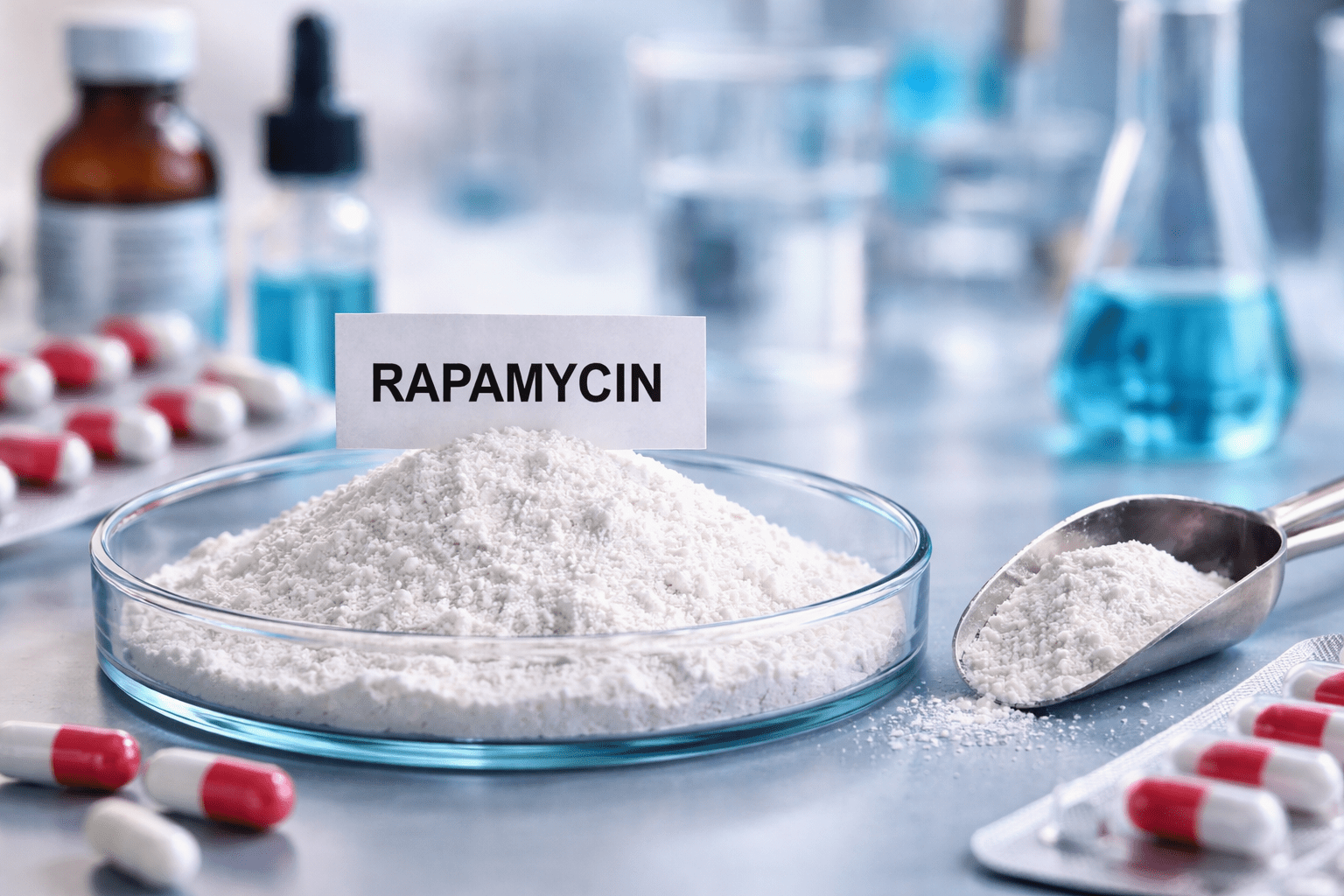
Rapamycin is a drug originally discovered in the 1970s in soil samples collected from Easter Island (Rapa Nui). Scientists studying microorganisms on the island identified a bacterium called Streptomyces hygroscopicus that produced this compound. Initially, rapamycin was studied for its antifungal properties, but researchers later discovered that it also had powerful effects on the immune system and cellular growth. Today, rapamycin also known medically as Sirolimus is widely used to prevent organ rejection in transplant patients because it suppresses immune cell activity. In addition to its medical uses in transplantation and certain cancer treatments, rapamycin has become an important molecule in aging and longevity research because it affects the mTOR signaling pathway, a key system that regulates cell growth, metabolism, and survival.
How Does Rapamycin Work in the Body?
Rapamycin works in the body primarily by inhibiting a key cellular signaling system known as the mTOR signaling pathway (mechanistic Target of Rapamycin). This pathway acts as a central regulator that tells cells when to grow, divide, and produce proteins based on the availability of nutrients and energy. When rapamycin enters the body, it binds to a protein called FKBP12, and this complex then blocks the activity of mTOR. By suppressing this pathway, rapamycin slows down cell growth and protein synthesis while encouraging cells to shift from growth mode into maintenance and repair mode. One of the major consequences of this inhibition is the activation of Autophagy, a cellular recycling process that removes damaged proteins, defective mitochondria, and other waste materials from the cell. This process helps maintain cellular health and efficiency. Because of these effects, rapamycin can suppress the immune system useful in organ transplantation while also influencing metabolism, stress resistance, and cellular longevity. These mechanisms are why researchers are studying rapamycin not only for medical treatments but also for its potential role in slowing aspects of biological aging.
Benefits of Rapamycin
Prevention of Organ Transplant Rejection
One of the most important benefits of Rapamycin is its ability to prevent the rejection of transplanted organs. When a person receives a transplanted organ such as a kidney, the immune system may recognize the new organ as foreign and attack it. Rapamycin helps prevent this reaction by suppressing certain immune cells, especially T cells, that normally trigger the rejection process. By slowing the activation and multiplication of these immune cells, rapamycin protects the transplanted organ and increases the chances of long-term transplant success.
Anti-Cancer Effects
Rapamycin can also help slow the growth of certain cancers. Many cancer cells grow rapidly because the mTOR signaling pathway is overactive, which encourages cell division and protein production. Rapamycin blocks this pathway, which can reduce the growth and spread of some tumors. Because of this ability, rapamycin and related drugs are used in treatments for certain cancers, including some kidney cancers and rare tumors.
Potential Longevity and Anti-Aging Effects
One of the most exciting potential benefits of Rapamycin is its possible role in slowing aspects of biological aging. By inhibiting the mTOR signaling pathway, rapamycin shifts cells from a growth-focused state into a maintenance and repair state. Studies in animals such as yeast, worms, flies, and mice have shown that rapamycin can extend lifespan and improve health during aging. Although research in humans is still ongoing, these findings have made rapamycin a major focus in longevity science.
Activation of Cellular Cleanup (Autophagy)
Rapamycin promotes a process called Autophagy, which is the natural recycling system inside cells. During autophagy, cells break down and remove damaged proteins, dysfunctional mitochondria, and other cellular waste. This cleanup process helps maintain cellular health and may reduce the accumulation of damage that occurs during aging and in many diseases.
Prevention of Artery Re-Narrowing
Rapamycin is also used in medical devices called drug-eluting stents that are placed inside arteries after certain heart procedures. These stents slowly release rapamycin to prevent excessive growth of cells in the artery wall. This helps stop the artery from becoming narrow again after treatment, improving blood flow and reducing the risk of future heart problems.
Treatment of Certain Rare Diseases
Researchers have also found that rapamycin may help treat certain rare diseases related to abnormal cell growth. For example, it is sometimes used to manage conditions where the mTOR signaling pathway is overly active, causing uncontrolled tissue growth. By reducing this signaling, rapamycin can help control disease progression in some patients.
Side Effects of Rapamycin
Immune System Suppression
One of the most important and well-known side effects of Rapamycin is its ability to suppress the immune system. This effect occurs because the drug inhibits the mTOR signaling pathway, which plays a major role in the growth and activation of immune cells such as T lymphocytes. In organ transplantation, this immune-suppressing property is extremely useful because it prevents the body from attacking a transplanted organ. However, this same effect can also make individuals more vulnerable to infections. People taking rapamycin may have a reduced ability to defend themselves against bacteria, viruses, and fungi, which can increase the risk of illnesses such as respiratory infections or skin infections. Because of this risk, doctors usually monitor patients carefully while they are taking rapamycin, checking for signs of infection and regularly evaluating immune function. In some cases, patients may also need preventive treatments or lifestyle precautions to reduce their exposure to infectious agents.
Metabolic Changes
Another potential side effect of Rapamycin involves changes in the body’s metabolism. Since the mTOR signaling pathway plays a central role in regulating how the body processes nutrients and energy, blocking this pathway can influence several metabolic processes. Some individuals taking rapamycin may experience elevated blood sugar levels, increased cholesterol, or higher triglyceride levels. In certain cases, the drug may also contribute to insulin resistance, which means the body’s cells become less responsive to insulin and have difficulty absorbing glucose from the bloodstream. Over long periods of use, these metabolic changes may increase the risk of conditions such as metabolic syndrome or type 2 diabetes if they are not properly monitored. For this reason, physicians often perform regular blood tests to check glucose levels, lipid profiles, and other metabolic markers in patients who are undergoing rapamycin treatment.
Mouth Ulcers and Skin Effects
A relatively common side effect of Rapamycin is the development of mouth ulcers or sores inside the oral cavity. These small but painful lesions can appear on the tongue, gums, or inner cheeks and may cause discomfort while eating, drinking, or speaking. In some patients, the sores may recur periodically during treatment and may require topical treatments or dosage adjustments to reduce irritation. In addition to oral symptoms, some people taking rapamycin may experience skin-related issues. These can include acne-like rashes, redness, swelling, or dryness of the skin. Because rapamycin slows cellular growth and influences tissue regeneration, it can sometimes affect the normal repair processes of skin cells. Although these symptoms are usually mild to moderate, they can still be uncomfortable and may require medical attention if they become persistent or severe.
Fatigue and Digestive Symptoms
Some individuals taking Rapamycin report experiencing fatigue or digestive discomfort during treatment. These symptoms may include nausea, diarrhea, stomach pain, or general abdominal discomfort. In many cases, these effects occur when the body is adjusting to the medication and may gradually decrease over time. Rapamycin influences several biological pathways related to energy production, metabolism, and immune activity, which can temporarily disrupt the normal balance of digestive processes. As a result, patients may feel tired or experience changes in appetite and digestion. While these symptoms are usually mild, persistent fatigue or gastrointestinal problems should be discussed with a healthcare provider to ensure that the medication dosage and treatment plan remain appropriate.
Effects on Wound Healing
Another notable side effect of Rapamycin is its potential impact on wound healing. Because rapamycin slows cellular growth and division, it can interfere with the body’s natural ability to repair damaged tissues quickly. The healing of cuts, surgical wounds, or injuries relies heavily on the rapid growth and replacement of cells. When the mTOR signaling pathway is inhibited by rapamycin, these repair processes may occur more slowly than usual. As a result, wounds may take longer to close and regenerate, and the risk of complications such as infections may increase. For patients who are planning to undergo surgery or who are recovering from an injury, doctors often carefully manage rapamycin therapy. In some situations, they may temporarily reduce the dosage or pause treatment to allow the body’s normal healing processes to function more effectively.
Conclusion
As scientific research continues, rapamycin remains one of the most fascinating compounds in the study of cellular biology and longevity. Scientists are still investigating how it can be used more safely and effectively, especially in the context of aging and disease prevention. With further research and careful clinical use, Rapamycin may continue to shape the future of medicine and provide new insights into how the human body grows, repairs itself, and ages over time.