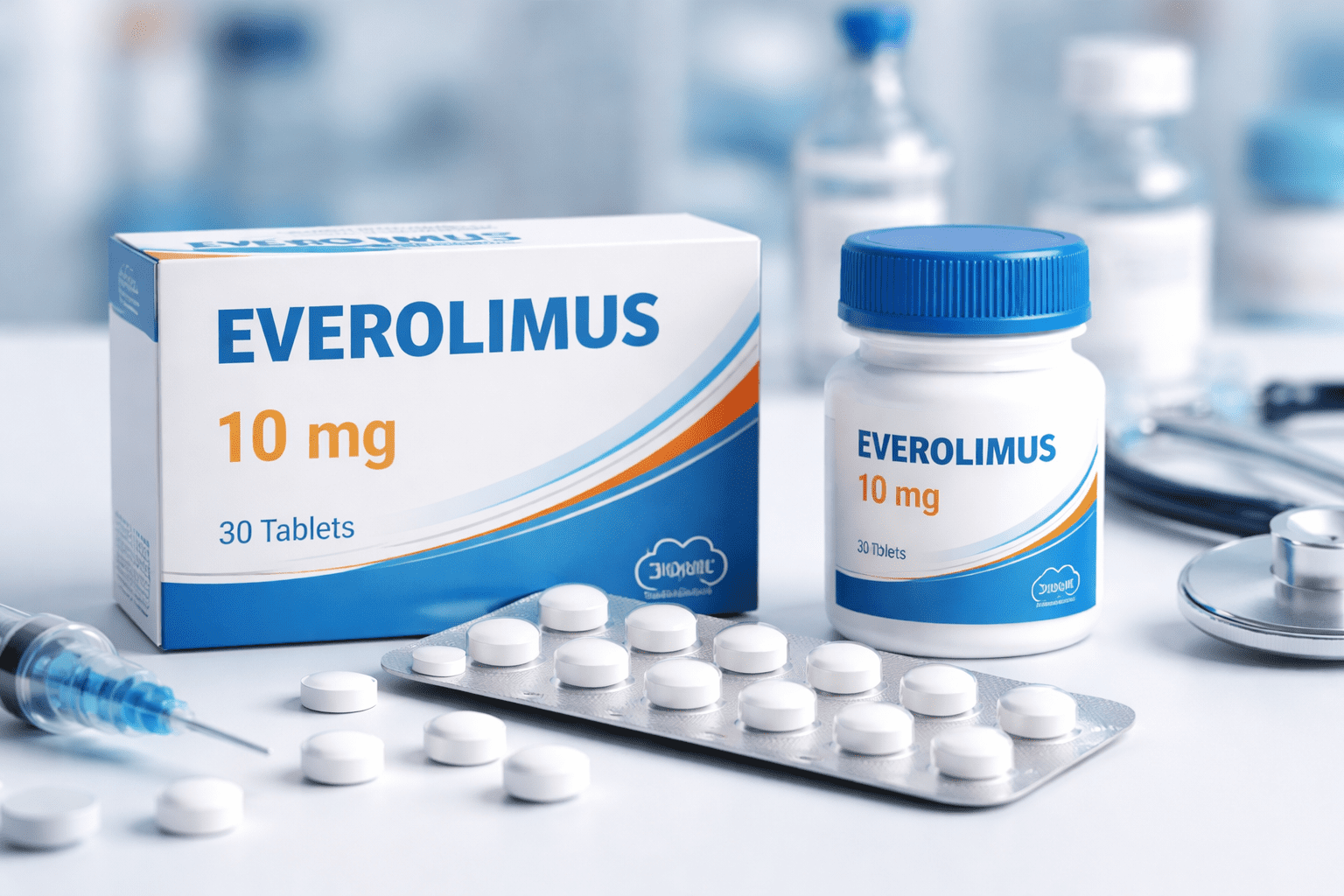
Everolimus is a powerful medication widely used in modern medicine for its ability to regulate cell growth and suppress the immune system. It belongs to a class of drugs known as mTOR inhibitors, which have become essential in treating cancer, preventing organ transplant rejection, and managing certain rare diseases. Originally developed as a derivative of Rapamycin (also called sirolimus), Everolimus has been refined to improve its absorption and effectiveness in the body. Today, it plays a crucial role in both oncology and transplant medicine and researchers are actively studying its potential in aging and longevity science.
What Is Everolimus?
Everolimus is an oral prescription medication that works by slowing down cell growth and reducing immune system activity, making it useful in both cancer treatment and organ transplantation. It is marketed under brand names such as Afinitor, which is primarily used in cancer therapy, and Zortress, which helps prevent organ rejection after transplants. Chemically, Everolimus is closely related to Sirolimus but has improved bioavailability, allowing the body to absorb and utilize it more efficiently. This enhanced absorption makes Everolimus more predictable in its effects and dosing.
Mechanism of Action
Everolimus works through a precise mechanism of action by inhibiting the mTOR pathway, which leads to several important effects in the body. It reduces cell proliferation by slowing or stopping the growth of abnormal cells, particularly cancer cells, helping to control tumor progression. At the same time, it suppresses the immune response, preventing immune cells from attacking transplanted organs and thereby lowering the risk of rejection. Everolimus also decreases blood vessel formation (anti-angiogenesis), which is crucial because tumors rely on a steady blood supply to grow and spread. In simple terms, Everolimus acts like a “brake” on systems in the body that are growing or working too fast. This targeted action makes it especially valuable in treating complex diseases with uncontrolled cell activity. Additionally, its ability to affect multiple biological processes simultaneously is one of the reasons it is widely used in both oncology and transplant medicine.
Uses of Everolimus
1. Cancer Treatment
Everolimus is widely used in cancer treatment and is approved for several types of cancers, including breast cancer (especially hormone receptor-positive types), kidney cancer (renal cell carcinoma), neuroendocrine tumors, and certain brain tumors such as subependymal giant cell astrocytoma. It works by slowing down the growth and spread of cancer cells, and in some cases, it can even help shrink tumors. Unlike traditional chemotherapy, Everolimus targets specific cellular pathways, which can make treatment more precise and sometimes better tolerated. It is often used when other treatments are no longer effective or in combination with other therapies to improve outcomes. In addition, it can help delay disease progression and extend progression-free survival in some patients. Doctors may also use it as part of long-term management strategies for chronic cancers. This targeted approach has made it an important option in modern cancer care.
2. Organ Transplant Rejection Prevention
After an organ transplant, especially kidney or liver transplants, the immune system may recognize the new organ as foreign and attempt to attack it. Everolimus helps prevent this by suppressing immune activity, reducing the risk of rejection, and supporting the long-term survival of the transplanted organ. It is often used alongside other immunosuppressive drugs to provide a balanced and effective treatment plan. By carefully controlling immune responses, doctors can help patients maintain healthy organ function for many years. It may also allow for lower doses of other stronger immunosuppressants, reducing their side effects. Regular monitoring is essential during treatment to ensure the correct dosage and minimize potential complications. This makes Everolimus a valuable part of post-transplant care.
3. Treatment of Rare Genetic Disorders
Everolimus is also used to treat rare genetic conditions such as Tuberous Sclerosis Complex (TSC), a disorder that causes benign tumors to grow in multiple organs including the brain, kidneys, heart, and skin. In patients with TSC, Everolimus helps shrink these tumors and control related symptoms, improving both health outcomes and quality of life. It is particularly effective in managing complications such as brain tumors that can lead to seizures or developmental issues. Additionally, it may help reduce the frequency of seizures associated with the condition. This use highlights the drug’s ability to target abnormal cell growth beyond cancer. Long-term treatment may be required to keep tumor growth under control. Ongoing monitoring ensures that patients receive maximum benefit while minimizing risks.
4. Potential Use in Longevity and Anti-Aging Research
Scientists are increasingly exploring Everolimus in the field of aging and longevity research because of its effect on the mTOR pathway, a key regulator of cellular aging and metabolism. Researchers like David Sinclair have suggested that inhibiting this pathway may help extend lifespan in animal studies, improve cellular repair processes, and enhance autophagy, which is the body’s way of cleaning out damaged cells. Some studies also indicate potential benefits in improving immune function in older adults. These findings have raised interest in using Everolimus to delay age-related diseases and improve overall healthspan. However, its use for anti-aging in humans is still experimental and not widely approved, and careful clinical trials are needed to confirm its safety and long-term effects.
Common Side Effects of Everolimus
- Mouth ulcers (stomatitis)
- Fatigue
- Rash or dry skin
- Diarrhea
- Nausea and vomiting
- Loss of appetite
- Headache
- Cough
- Mild swelling (edema)
- Increased risk of infections
- Taste changes
- Weight loss
Serious Side Effects of Everolimus
- Severe infections due to immune suppression
- Lung problems (non-infectious pneumonitis)
- Kidney dysfunction or failure
- Liver problems or elevated liver enzymes
- High blood sugar (risk of diabetes)
- High cholesterol and triglyceride levels
- Delayed wound healing
- Increased risk of bleeding
- Blood disorders (low red cells, white cells, or platelets)
- Allergic reactions (swelling, difficulty breathing)
- Increased risk of certain cancers (e.g., lymphoma, skin cancer)
Precautions and Considerations
Before taking Everolimus, doctors carefully evaluate several important factors to ensure the treatment is safe and effective for the patient. These include checking for any existing infections, since Everolimus can weaken the immune system and make infections worse or harder to treat. They also assess liver and kidney function, as these organs play a key role in processing the drug, and any impairment may require dose adjustments. In addition, doctors consider the patient’s risk of diabetes, because Everolimus can increase blood sugar levels and potentially worsen metabolic conditions. Another critical consideration is the use of other medications, as drug interactions are common with Everolimus and may either reduce its effectiveness or increase the risk of side effects. Factors such as age, overall health condition, and medical history are also taken into account before starting therapy.
During treatment, patients are usually monitored closely to ensure safety and to track how well the medication is working. This monitoring typically includes regular blood tests to check blood cell counts, kidney and liver function, cholesterol levels, and blood sugar levels. Imaging scans, such as CT or MRI scans, may be performed to evaluate tumor response or detect any internal complications. Regular medical checkups are also essential so doctors can identify side effects early and adjust the treatment plan if needed. In some cases, dose modifications or temporary discontinuation may be required to manage adverse effects. Close and continuous monitoring helps maximize the benefits of Everolimus while minimizing potential risks, making it a crucial part of the overall treatment process.
Conclusion
Everolimus stands out as a modern, multi-purpose medication that bridges the gap between targeted cancer therapy and advanced immune system control. At the same time, Everolimus is not without challenges, as its effects on the immune system and metabolism require careful monitoring and responsible use. With ongoing research exploring its potential in areas like aging and longevity, the future of this drug continues to expand. As science advances, Everolimus may play an even greater role in shaping how we treat disease and possibly how we approach the aging process itself.