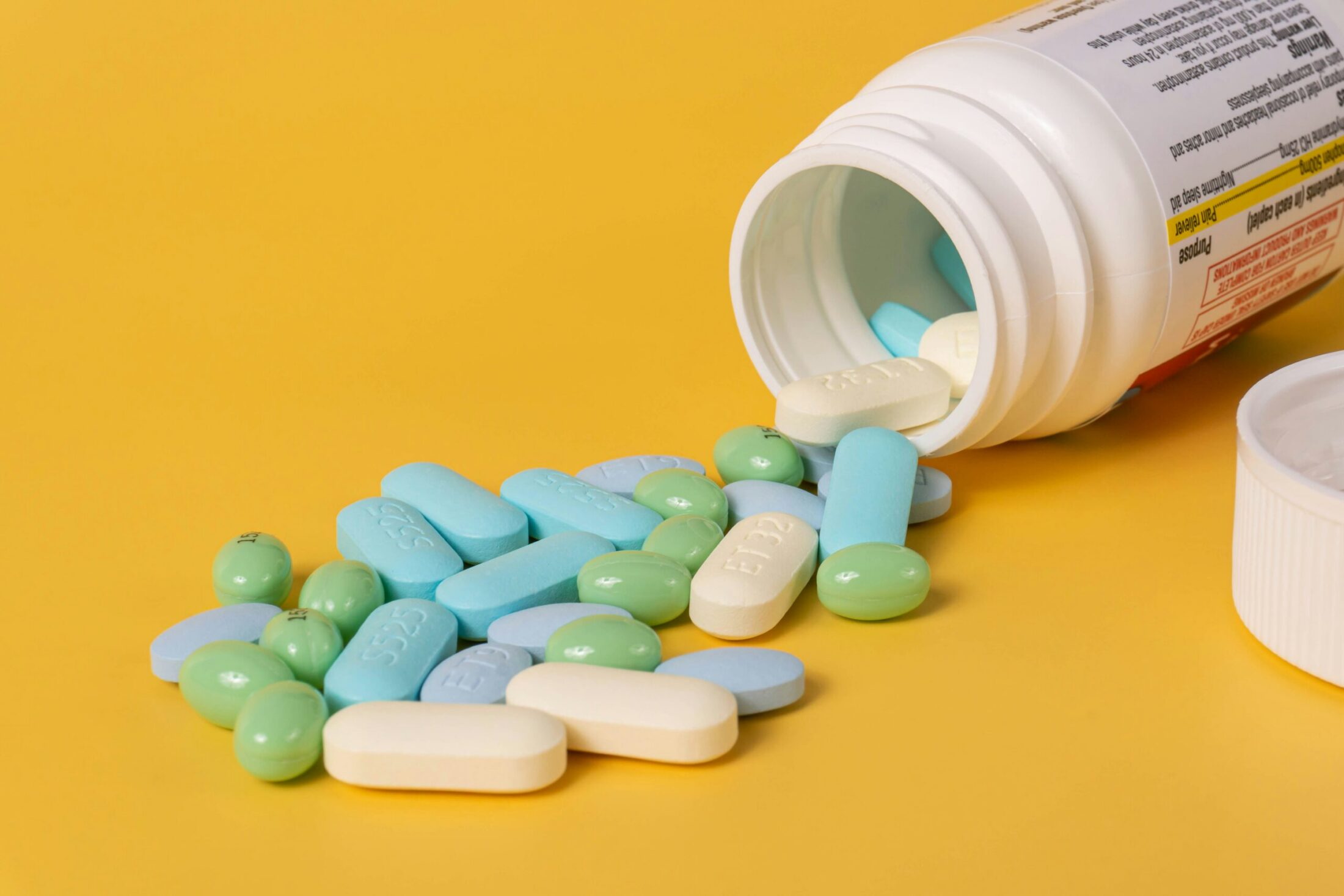
The pursuit of extended longevity and enhanced healthspan remains a cornerstone of biomedical research. Imagine if a medicine designed for one purpose could also help you live longer and stay healthier as you age. That’s the exciting question scientists are asking about statins, a common type of drug used to control cholesterol. While we know statins are superstars for heart health, new research is exploring if they have hidden talents that might slow down the aging process itself. This article will look into how these medications work, their side effects, benefits, what they might mean for a longer life, and what we still need to learn about their connection to aging.
What Do Statins Mean?
Statins are a type of medicine or drug that lowers the amount of “bad” cholesterol in your blood. This bad cholesterol, called LDL, can build up in your arteries (blood vessels) and cause them to get narrow or blocked. More accurately, they work by targeting a specific enzyme in the liver to reduce the body’s production of cholesterol. This can lead to serious problems like heart attacks and strokes. Statins work by telling your liver to make less cholesterol and to remove more of the bad cholesterol from your blood. Think of them as tiny cleaners for your blood vessels!
Types of statins
- Atorvastatin (Lipitor)
- Rosuvastatin (Crestor)
- Simvastatin (Zocor)
- Pravastatin (Pravachol)
- Lovastatin (Mevacor)
- Fluvastatin (Lescol)
- Pitavastatin (Livalo)
How do statins work
Statins primarily work in the liver to lower “bad” cholesterol. They do this by blocking a key enzyme, HMG-CoA reductase, which is essential for the body to produce cholesterol. By inhibiting this enzyme, statins significantly reduce the amount of cholesterol made in the liver. This reduction causes your liver to increase the number of “LDL receptors” on its surface, which then actively pull more “bad” LDL cholesterol from your bloodstream. This dual action effectively lowers overall cholesterol levels and reduces the risk of heart disease.
Side effects of statins
Common side effects of statins include:
- Muscle pain or weakness
- Headache
- Digestive issues (nausea, diarrhea, constipation)
- Dizziness
- Fatigue
Less common but more serious side effects can include:
- Muscle Damage: Rhabdomyolysis (rare, severe muscle breakdown potentially leading to kidney damage), higher risk with high doses or certain drug interactions (e.g., specific antifungals, HIV drugs, cyclosporine, erythromycin, gemfibrozil, diltiazem, verapamil, amiodarone, colchicine, nefazodone, niacin).
- Liver Damage: Rare, but can be serious; monitored by liver function tests. Symptoms include jaundice, dark urine, upper right abdominal pain.
- Slight increase in blood sugar/risk of type 2 diabetes
- Cognitive Issues: Reported confusion or memory problems.
Benefits of statins
- Lowers “Bad” Cholesterol (LDL-C)
- Reducing Heart Attacks and Strokes
- Reducing Cellular Senescence
- Stabilizes Arterial Plaque
- Reduces Inflammation
- Reduce Oxidative Stress
- Reduce cardiovascular mortality
- Contributes to Longevity and Quality of Life
- Reduced Risk of Other Age-Related Diseases
Who can take Statins?
The decision to prescribe statins is made by a doctor based on several things. Here are some main categories of people who are often consider for statin therapy:
- People with Existing Cardiovascular Disease (CVD): If you’ve already had a heart attack, stroke, mini-stroke (TIA), or have other conditions like peripheral artery disease, statins are typically prescribed to prevent future events.
- Individuals with Very High “Bad” Cholesterol (LDL-C): If your LDL cholesterol levels are extremely high (usually 190 mg/dL or higher), even if you don’t have other major risk factors.
- Adults with Diabetes (Aged 40-75)
- Adults Aged 40-75 with a High Risk of Heart Disease: If you haven’t had heart disease or diabetes, but your doctor calculates you have a significant 10-year risk of having a heart attack or stroke (often 7.5% or 10% or higher) , or other risk factors like high blood pressure, high cholesterol, or smoking, statins may be recommended.
- Younger Adults (20-39 years old) with Specific High-Risk Conditions: Statins might be considered for younger individuals if they have a history of atherosclerotic cardiovascular disease or very high LDL cholesterol (e.g., 190 mg/dL or higher).
How Statins Impact Longevity and Aging
Statins contribute significantly to longevity and healthy aging through a multifaceted approach. Primarily, they are highly effective in preventing major cardiovascular events like heart attacks and strokes. By lowering “bad” LDL cholesterol and stabilizing arterial plaque, statins directly reduce the leading causes of premature death and disability. Thereby extending one’s lifespan and improving their healthspan, the period lived in good health. Beyond this crucial cardiovascular protection, statins exhibit anti-inflammatory properties, which help to mitigate the chronic, low-grade inflammation that accelerates cellular damage and contributes to many age-related diseases. Emerging research further suggests that statins may positively influence fundamental cellular aging processes, potentially by protecting telomeres (chromosome caps linked to cellular aging) and reducing the accumulation of harmful senescent cells (zombie cells), thus fostering a more robust and functional aging experience at a molecular level.
Conclusion
However, it’s crucial to remember that statins are not a “magic bullet” for a healthy lifestyle. They are powerful medications with potential side effects, and they’re not for everyone. Self-prescribing is dangerous. Always have an open and honest conversation with your doctor about your personal risk factors, the potential benefits, and any possible side effects. Remember, a healthy diet and regular exercise remain fundamental to your well-being, whether you’re on statins or not.