Aging is a natural biological process but the way the brain ages is heavily influenced by lifestyle especially nutrition. What we eat affects memory, learning, mood, inflammation and even the rate at which neurons degenerate. Emerging scientific research shows that proper nutrition can slow down brain aging, protect neural tissue and support cognitive function well into old age. This article explores how nutrition affects the aging brain, how the brain works, the key nutrients involved and how they support for longevity of the brain and long-term brain health.
What is Brain Aging?
Brain aging is the natural process where the brain gradually loses some efficiency over time. It includes slower thinking, weaker memory, reduced neurotransmitter levels and decreased repair ability. As we age, brain cells become more vulnerable to damage, inflammation, and oxidative stress which together can affect cognition and overall brain function. Aging is not purely biological. Diet is one of the few factors that humans can control and it can significantly influence how fast or slow the brain ages. As the brain ages, several changes naturally occur like:
- Neurons shrink and lose efficiency
- Neurotransmitter production declines
- Free radicals increase, causing oxidative damage
- Inflammation rises, affecting memory and learning
- Blood flow decreases, reducing oxygen and nutrient delivery
How the brain Works?
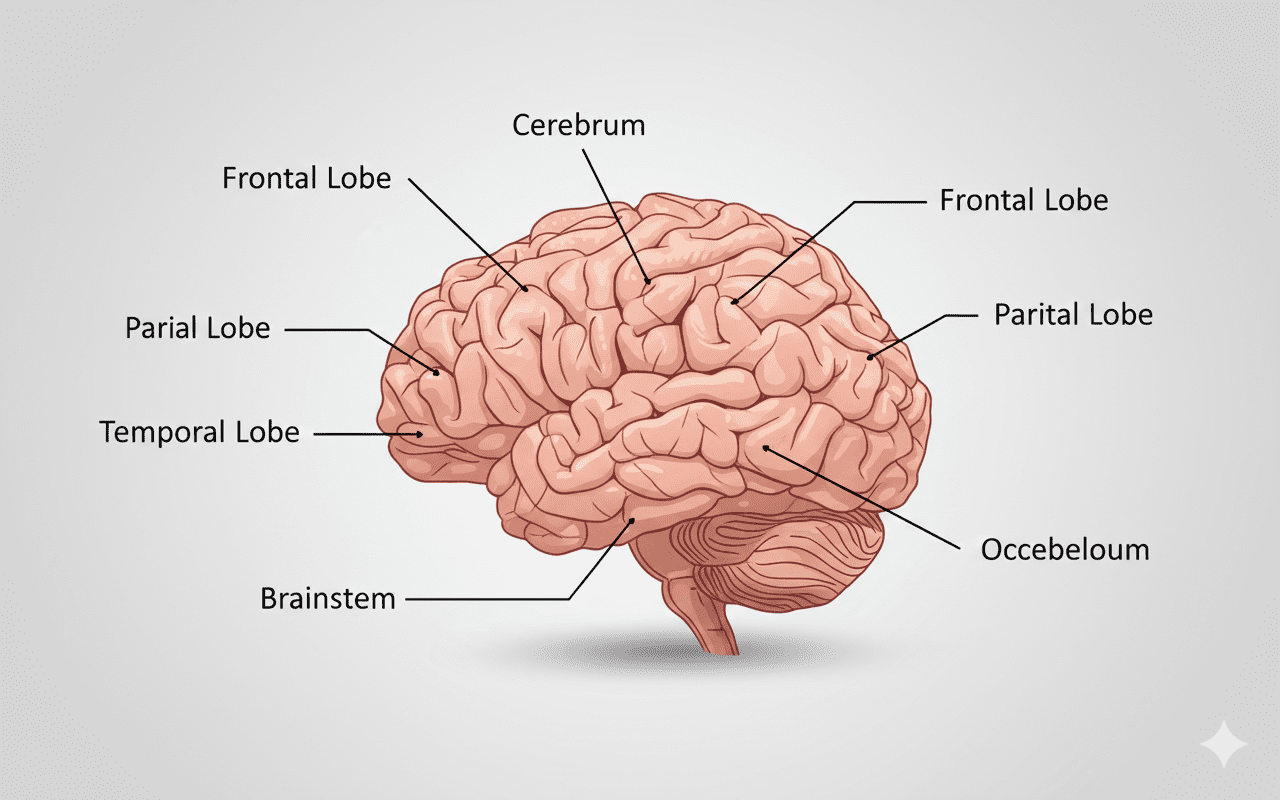
The brain works by using billions of neurons that communicate through tiny electrical impulses and chemical signals. Each neuron receives information, processes it and passes it along through connections called synapses. Different brain regions handle specific tasks such as thinking, memory, emotions, movement, and senses but they all work together as one network. When neurons fire, they release neurotransmitters that help send messages to other cells, allowing you to feel, learn, decide, and react. Because the brain is highly adaptable, it constantly strengthens or reshapes its connections based on experience, helping you learn new skills and respond to your environment.
How Nutrition Impacts Brain Aging?
1. Reducing Oxidative Stress
Free radicals damage brain cells over time, leading to memory loss and cognitive decline. Antioxidant-rich foods help neutralize these harmful molecules. These nutrients protect neurons from oxidative damage, slowing age-related decline. Key antioxidants:
- Vitamin C
- Vitamin E
- Polyphenols
- Flavonoids
Found in: Berries, citrus fruits, dark chocolate, nuts, olive oil, leafy greens
2. Lowering Chronic Inflammation
Long-term inflammation accelerates brain aging and increases the risk of neurodegenerative diseases like Alzheimer’s and Parkinson’s. Anti-inflammatory foods contain compounds that calm the immune system and protect brain tissue. When inflammation is controlled, neurons function more efficiently and remain healthier for longer. Anti-inflammatory nutrients:
- Omega-3 fatty acids
- Curcumin
- Resveratrol
Found in: Fatty fish, turmeric, olive oil, grapes, green tea
3. Supporting Neuroplasticity
Neuroplasticity—the brain’s ability to form new connections is essential for learning and memory. Certain nutrients stimulate BDNF (Brain-Derived Neurotrophic Factor), a growth factor that keeps neurons thriving. Higher BDNF levels are linked to better memory, faster learning, and slower brain aging.
Brain-Derived Neurotrophic Factor (BDNF)-boosting foods:
- Blueberries
- Salmon
- Walnuts
- Green tea
- Dark chocolate
4. Maintaining Healthy Blood Flow to the Brain
The brain uses almost 20% of the body’s oxygen supply. As we age, blood flow can decrease, harming cognitive function. Healthy blood circulation ensures that neurons receive the oxygen and nutrients they need. Foods that support vascular health also support brain health.
Good Foods for blood flow:
- Olive oil
- Leafy greens
- Whole grains
- Beets
- Dark berries
5. Protecting the Gut-Brain Axis
The gut and brain communicate through the vagus nerve, hormones, and neurotransmitters produced by gut bacteria. An unhealthy gut microbiome can accelerate brain aging. A healthy microbiome supports better mood, focus, and long-term cognitive health.
Gut-friendly foods:
- Yogurt and kefir
- Kimchi and sauerkraut
- Fiber-rich vegetables
- Prebiotics (onions, garlic, bananas)
Essential Nutrients for a Healthy and Younger Brain
A sharp, resilient and younger-functioning brain depends heavily on the nutrients you feed it. While genetics and lifestyle play important roles, nutrition directly affects how brain cells communicate, repair damage, generate new neurons and protect themselves from aging. Below is a broader explanation of the most important nutrients that support longevity and long-term brain vitality.
1. Omega-3 Fatty Acids (DHA & EPA)
Omega-3 fats especially DHA are structural building blocks of your brain. Nearly 30% of your brain’s fat is DHA, making it essential for healthy neurons, memory formation and fast communication between brain cells.
How they support longevity:
- Reduce inflammation in the brain
- Improve memory and focus
- Support learning
- Protect against age-related cognitive decline
- Strengthen the structure of cell membranes
Top sources: Fatty fish (salmon, sardines, mackerel), chia seeds, flaxseeds, walnuts, algal oil.
2. Antioxidants (Vitamins C, E, Polyphenols)
As you age, your brain experiences oxidative stress damage caused by free radicals. Antioxidants neutralize these harmful molecules, protecting brain cells from degeneration.
How they support longevity:
- Slow down brain aging
- Protect neurons from damage
- Improve blood flow to the brain
- Support memory and mental clarity
Top sources: Berries, citrus fruits, leafy greens, dark chocolate, green tea, turmeric, colorful vegetables.
3. B-Vitamins (B6, B12, Folate)
B-vitamins are essential for energy production inside brain cells and for the removal of homocysteine, a compound linked to brain shrinkage and cognitive decline.
Benefits for brain health:
- Improve neurotransmitter production (serotonin, dopamine)
- Support mental energy and focus
- Promote healthy nerve function
- Reduce risk of dementia
Top sources: Eggs, leafy greens, whole grains, legumes, poultry, fish, nutritional yeast.
4. Choline
Choline is required to make acetylcholine, a neurotransmitter crucial for memory, learning, and muscle control.
How it helps the aging brain:
- Enhances memory retention
- Supports brain cell structure
- Improves cognitive function in older adults
Top sources: Eggs (especially yolks), liver, soybeans, quinoa, broccoli.
5. Magnesium
Magnesium plays a vital role in protecting synapses (the connections between neurons) and regulating signals in the brain.
Brain longevity benefits:
- Prevents overstimulation of neurons
- Reduces stress and supports calmness
- Enhances learning and memory
- Helps maintain healthy sleep cycles
Top sources: Nuts, seeds, whole grains, leafy greens, beans, avocados.
6. Vitamin D
Often called the “sunshine vitamin,” vitamin D acts as a hormone that influences brain development, mood regulation, and cognitive performance.
How it supports brain health:
- Enhances neuroplasticity
- Supports immune function in the brain
- Reduces risk of depression
- Protects against cognitive decline
Top sources: Sunlight, fortified foods, fatty fish, egg yolks.
7. Amino Acids (Protein Building Blocks)
Amino acids are needed to build neurotransmitters your brain’s chemical messengers. It helps brain aging by supporting neurotransmitter production, protecting neurons, and reducing oxidative stress. They aid memory, learning, and mood, while some like glutamine and tryptophan promote repair and slow cognitive decline.
Why they matter:
- Tryptophan → serotonin (mood regulation)
- Tyrosine → dopamine (motivation, focus)
- Glutamine → GABA (calmness)
Top sources: Eggs, fish, chicken, dairy, legumes, nuts, tofu.
8. Complex Carbohydrates
Your brain uses 20% of your body’s energy and carbohydrates provide steady glucose for optimal brain function.
Benefits:
- Improve mental clarity
- Stabilize mood
- Support memory and focus
- Prevent fatigue and brain fog
Top sources: Whole grains, oats, quinoa, fruits, sweet potatoes.
9. Water & Electrolytes
Even mild dehydration can cause brain fog, fatigue, poor concentration, and headaches.
Why they are essential:
- Maintain electrical signaling
- Support energy production
- Improve focus and learning
Top Sources: Water, fruits, coconut water, hydrating vegetables.
10. Phytonutrients (Plant Compounds)
These compounds enhance inflammation control and support healthy aging in brain tissues.
Benefits for longevity:
- Improve blood flow
- Enhance memory
- Reduce oxidative damage
Sources: Colorful fruits and vegetables, spices, herbs, plant-based foods.
Conclusion
A longevity-focused diet isn’t just about adding years to life, it’s about adding clarity, memory and mental resilience to those years. When you consistently fuel your body with the right vitamins, minerals and antioxidants, you support sharper thinking, stronger memory, better mood and long-term brain resilience and support your brain longevity. When combined with other brain-healthy habits like physical activity, sleep, stress management and intellectual engagement, nutrition becomes a powerful tool. Ultimately, investing in what we eat today is one of the most effective ways to ensure a more vibrant, focused and cognitively strong tomorrow.