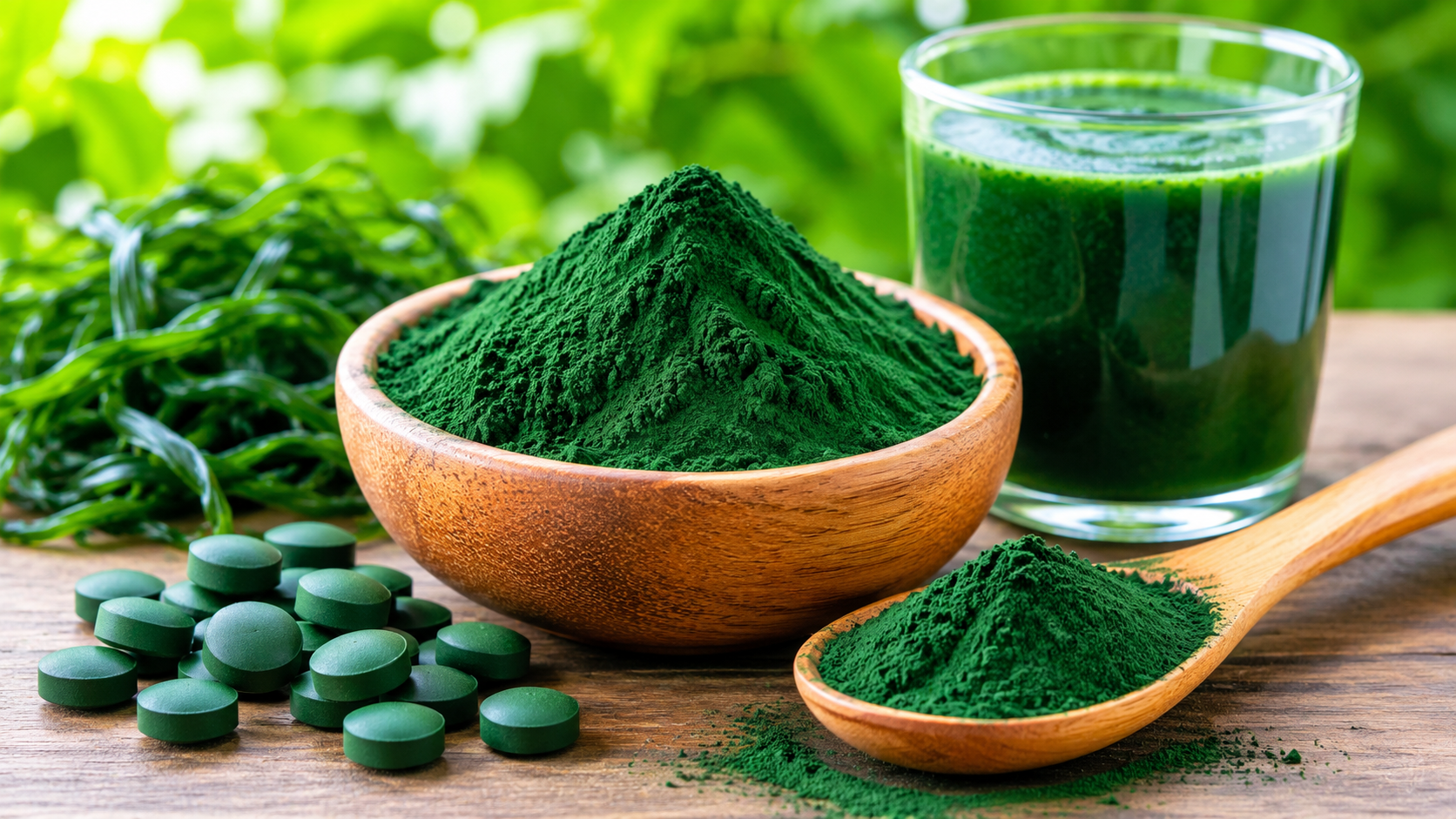
Spirulina is a nutrient-rich blue-green microorganism that has gained worldwide attention as a dietary supplement because of its high protein content, vitamins, minerals, antioxidants, and other bioactive compounds. Spirulina has been studied for its potential effects on blood sugar, cholesterol, inflammation, and oxidative stress. As interest in nutrition and longevity continues to grow, researchers are investigating whether spirulina may help protect cells from age-related damage and support metabolic health. One of its most important compounds is phycocyanin, a blue pigment with antioxidant and anti-inflammatory properties.
Although spirulina contains several valuable nutrients, it is important to understand that it is a supplement rather than a replacement for a balanced diet or medical treatment. Its health effects depend on factors such as dosage, product quality, individual health conditions, and the strength of scientific evidence supporting each benefit. This article explores what spirulina is, its nutritional composition, potential health benefits, recommended dosages, possible side effects, and important precautions.
What Is Spirulina?
Spirulina is a type of blue-green microorganism known scientifically as a cyanobacterium. It grows naturally in certain freshwater and alkaline environments and is cultivated commercially for use in food and dietary supplements. Although commonly called blue-green algae, spirulina is technically a photosynthetic bacterium rather than a true algae. The name spirulina refers to its spiral-shaped filaments, which are characteristic of some species. The most commonly used species in dietary supplements include Arthrospira platensis and Arthrospira maxima.
Spirulina has been consumed as a food for centuries. Today, it is widely available in powder, tablet, capsule, and sometimes fortified food products. Its popularity comes from its concentrated nutritional profile and the presence of several compounds that may support human health.
Nutritional Composition of Spirulina
Spirulina is considered a nutrient-dense food because it contains a variety of nutrients in relatively small amounts.
Protein: Spirulina is particularly rich in protein, often containing approximately 50–70% protein by dry weight. It provides several essential amino acids required for muscle maintenance, tissue repair, enzyme production, and other physiological functions. However, the actual protein contribution depends on the amount consumed, and typical supplement servings are relatively small.
Vitamins: Spirulina contains several vitamins, including vitamin K and certain B vitamins. However, it should not be considered a reliable source of vitamin B12 because much of the B12 detected in spirulina may consist of inactive analogues that do not meet human nutritional requirements.
Minerals: Spirulina contains iron, magnesium, potassium, calcium, and other minerals. Its iron content may be useful in supporting dietary iron intake, although the amount absorbed by the body varies.
Antioxidants: Spirulina contains several antioxidant compounds, including phycocyanin, beta-carotene, and other carotenoids. These compounds help protect cells from oxidative stress under certain conditions.
Essential fatty acids: Spirulina contains small amounts of essential fatty acids, including gamma-linolenic acid (GLA), which is involved in various biological processes.
Health Benefits of Spirulina
1. Rich Source of Antioxidants
One of the most widely studied properties of spirulina is its antioxidant activity. Antioxidants help protect cells from oxidative stress, which occurs when the production of reactive oxygen species exceeds the body’s ability to neutralize them. Reactive oxygen species are naturally produced during normal metabolism, but excessive accumulation can damage important cellular structures and interfere with normal biological functions.
Oxidative stress can damage DNA, proteins, and cellular membranes. It is associated with several age-related processes and chronic conditions, including cardiovascular disease, metabolic disorders, and neurodegenerative diseases. Spirulina contains phycocyanin, beta-carotene, and other antioxidant compounds that may help support the body’s natural antioxidant defenses. Laboratory and animal studies suggest that these compounds can reduce certain markers of oxidative damage and help protect cells under specific experimental conditions.
Phycocyanin is particularly important because it has demonstrated antioxidant activity in several research models. It may help neutralize certain reactive molecules and influence pathways involved in cellular protection. However, oxidative stress is a complex biological process, and antioxidant activity observed in laboratory studies does not automatically translate into disease prevention or longer lifespan in humans. Further clinical research is necessary to determine whether spirulina provides meaningful antioxidant benefits in everyday human health.
2. May Help Reduce Inflammation
Chronic low-grade inflammation is associated with aging and various long-term health conditions. It is sometimes described as inflammaging, a term referring to the gradual increase in inflammatory activity that occurs with age. Unlike short-term inflammation, which helps the body respond to infections and injuries, chronic inflammation can persist for extended periods and may contribute to tissue damage and impaired cellular function.
Spirulina contains compounds that may influence inflammatory pathways. Phycocyanin, in particular, has demonstrated anti-inflammatory effects in laboratory and animal research. Researchers have investigated its potential to influence inflammatory signaling molecules and enzymes involved in the body’s inflammatory response. These properties have generated interest in spirulina as a possible nutritional supplement for supporting a healthier inflammatory balance.
Some human studies have reported reductions in inflammatory markers after spirulina supplementation. These findings suggest that spirulina may help support a healthier inflammatory balance in certain individuals, although results vary between studies. Nevertheless, spirulina should not be considered a treatment for inflammatory diseases or a substitute for prescribed medication. More large-scale clinical studies are needed to determine how consistently it affects inflammation in humans and whether these effects translate into long-term health benefits.
3. May Support Healthy Cholesterol Levels
Spirulina has received considerable attention for its potential effects on cholesterol and cardiovascular health. Cholesterol is essential for normal cellular function, hormone production, and the formation of certain biological structures. However, elevated levels of LDL cholesterol can contribute to the development of atherosclerosis, a condition in which fatty deposits accumulate inside blood vessels and restrict blood flow.
Some clinical studies suggest that spirulina supplementation may help improve lipid profiles by reducing total cholesterol, lowering LDL cholesterol, and potentially decreasing triglyceride levels. Certain studies have also reported increases in HDL cholesterol, commonly known as good cholesterol, although these results are not consistent across all research. These effects may be related to spirulina’s antioxidant compounds and its potential influence on lipid metabolism.
A healthier cholesterol profile is important because elevated LDL cholesterol is associated with an increased risk of atherosclerosis, heart attacks, and other cardiovascular conditions. Spirulina may potentially contribute to cardiovascular health when combined with a balanced diet and healthy lifestyle habits. However, the results of spirulina studies are not completely consistent, and its effects may vary depending on dosage, duration, and individual health conditions. Spirulina cannot replace prescribed cholesterol-lowering medication or established cardiovascular prevention strategies.
4. May Help Support Blood Pressure
High blood pressure, also known as hypertension, is a major risk factor for heart disease, stroke, and kidney disease. It develops when the force of blood against the walls of blood vessels remains consistently elevated. Over time, uncontrolled hypertension can damage blood vessels and place additional stress on the heart and other organs.
Some research suggests that spirulina may help modestly reduce blood pressure in certain individuals. One proposed mechanism involves its potential effects on nitric oxide, a molecule that helps blood vessels relax. Nitric oxide supports vasodilation, which allows blood vessels to widen and may improve blood flow while reducing vascular resistance. This process can contribute to healthier circulation and may help regulate blood pressure.
Spirulina may also influence oxidative stress and inflammation, both of which are involved in cardiovascular health and blood vessel function. However, the precise mechanisms through which spirulina might affect blood pressure are not fully understood. Although preliminary findings are promising, spirulina should not be used as a substitute for blood pressure medication. People with hypertension should continue following their prescribed treatment plan and consult a healthcare professional before adding spirulina to their routine.
5. May Help Improve Blood Sugar Regulation
Blood sugar regulation is important for metabolic health, particularly in people with insulin resistance or type 2 diabetes. Insulin is a hormone that helps glucose enter cells, where it can be used for energy or stored for later use. When the body becomes less responsive to insulin, blood glucose levels may rise, increasing the risk of metabolic complications.
Some clinical studies have investigated spirulina’s effects on fasting blood glucose and other metabolic markers. Certain studies suggest that supplementation may help reduce fasting blood sugar levels, although results vary. Potential mechanisms include supporting insulin sensitivity, reducing oxidative stress, influencing glucose metabolism, and helping regulate inflammatory pathways associated with metabolic dysfunction. Spirulina’s bioactive compounds may also influence certain processes involved in glucose utilization and metabolic regulation.
These findings have generated interest in spirulina as a possible nutritional supplement for metabolic health. Maintaining healthy blood glucose levels is particularly important for reducing the risk of complications associated with diabetes, including cardiovascular disease and kidney damage. However, current evidence is not sufficient to recommend spirulina as a treatment for diabetes. People taking insulin or blood sugar-lowering medications should consult a healthcare professional before using it because of the possibility of additive glucose-lowering effects.
6. May Support Immune Function
Spirulina contains proteins, pigments, vitamins, minerals, and other compounds that may influence immune activity. The immune system is responsible for identifying harmful microorganisms, responding to infections, and helping maintain the body’s internal defense mechanisms. A properly functioning immune system also helps recognize and remove damaged or abnormal cells.
Some laboratory and animal studies suggest that spirulina may affect immune cells, including macrophages, natural killer cells, and certain lymphocytes. These cells are involved in identifying and responding to infections and abnormal cells. Spirulina may also influence the production of signaling molecules involved in immune responses, potentially affecting communication between different immune cells.
Its nutritional composition may contribute to general nutritional support, which is important for maintaining normal immune function. However, immune function is highly complex, and increasing the activity of certain immune cells does not necessarily mean that a supplement improves immunity or prevents infections. The available human evidence is limited, and spirulina should not be considered a substitute for vaccination, adequate nutrition, or medical treatment.
7. May Help Reduce Oxidative Stress Associated With Aging
Aging is associated with changes in cellular function, including increased oxidative stress, mitochondrial dysfunction, inflammation, and gradual damage to biological structures. These changes may affect how efficiently cells produce energy, repair damage, and maintain normal physiological functions. Researchers are investigating whether nutritional compounds can help support cellular health during the aging process.
Spirulina has attracted attention in longevity research because of its antioxidant and anti-inflammatory compounds. Researchers are investigating whether spirulina may help support antioxidant defense mechanisms, protect cells from oxidative damage, maintain metabolic health, reduce certain inflammatory responses, and support normal cellular function. Phycocyanin and other bioactive compounds are particularly interesting because they may influence biological pathways involved in cellular stress responses.
Some animal studies suggest that spirulina may influence pathways associated with cellular protection and aging. These findings have encouraged further investigation into its potential role in healthy aging. However, there is currently no convincing clinical evidence that spirulina slows human aging, extends lifespan, or prevents age-related diseases. Its potential benefits for longevity remain an area of scientific research rather than an established anti-aging treatment.
8. May Support Brain Health
The brain is particularly vulnerable to oxidative stress because it consumes substantial amounts of oxygen and contains lipid-rich cellular structures. These characteristics make brain cells sensitive to certain forms of oxidative damage. Oxidative stress and inflammation are involved in several neurological conditions and may contribute to aspects of age-related cognitive decline.
Spirulina contains antioxidant compounds that have been investigated for their potential neuroprotective effects. Laboratory and animal research suggests that spirulina may help protect neurons from oxidative stress, influence inflammatory pathways in the nervous system, support cellular antioxidant defenses, and potentially protect against certain types of experimental neurological injury. These effects may be related to phycocyanin and other bioactive compounds that influence cellular stress and inflammation.
Some researchers are exploring its potential relevance to neurodegenerative conditions, including Alzheimer’s and Parkinson’s diseases. Maintaining brain health is particularly important during aging because cognitive decline can affect memory, learning, decision-making, and daily functioning. However, these findings are preliminary, and there is insufficient clinical evidence to conclude that spirulina prevents dementia, improves memory, or treats neurological disorders in humans.
9. May Help Support Muscle Strength and Recovery
Spirulina contains protein and amino acids that contribute to muscle maintenance and tissue repair. Protein is essential for building and repairing muscle fibers, producing enzymes, and supporting many other biological functions. Adequate protein intake becomes particularly important with aging because the body gradually loses muscle mass and strength, a condition that can contribute to sarcopenia.
Some studies involving physically active individuals suggest that spirulina supplementation may influence exercise performance, fatigue, or recovery. Potential mechanisms include antioxidant activity, reduced exercise-related oxidative stress, and nutritional support. Spirulina’s amino acids may contribute to normal muscle maintenance when included as part of a balanced diet containing sufficient protein.
However, spirulina provides relatively little protein at typical supplement doses. For example, a 3-gram serving containing 60% protein provides approximately 1.8 grams of protein, which is a small contribution to daily protein requirements. Therefore, spirulina should not replace protein-rich foods such as eggs, fish, dairy products, legumes, or meat. Resistance training and adequate overall protein intake remain much more important for maintaining muscle mass, strength, and physical function as people age.
10. May Help Reduce Exercise-Related Fatigue
Spirulina has been studied as a possible supplement for physical performance and exercise recovery. Exercise places temporary stress on muscles and other tissues, increasing energy demand and potentially producing oxidative stress. Some individuals experience fatigue during prolonged or intense physical activity, which may affect endurance and recovery.
Some small clinical studies suggest that spirulina may influence exercise-related fatigue, endurance, or recovery. Researchers believe that its antioxidant compounds may help reduce certain forms of oxidative stress associated with strenuous exercise. Spirulina also contains iron, which is essential for oxygen transport and energy metabolism because it contributes to the formation of hemoglobin in red blood cells.
However, supplementation does not necessarily improve performance in people who already have adequate iron levels and balanced nutrition. The available studies are relatively small and use different doses and exercise protocols, making it difficult to draw firm conclusions. Spirulina should not be considered a proven performance-enhancing supplement. Sleep, hydration, adequate calories, balanced nutrition, and appropriate training remain the foundations of athletic performance and exercise recovery.
11. May Support Weight Management
Spirulina has been investigated for its possible role in weight management and metabolic health. Maintaining a healthy weight is important because excess body fat, particularly abdominal fat, is associated with an increased risk of insulin resistance, cardiovascular disease, and other metabolic conditions.
Some small studies have reported modest improvements in body weight, body mass index, or body fat measurements among participants taking spirulina. Possible explanations include changes in appetite, metabolic markers, or inflammation. Researchers are also exploring whether spirulina’s nutritional compounds may influence certain metabolic processes involved in energy regulation.
However, these mechanisms are not firmly established, and the available evidence remains limited. Spirulina is not a fat-burning supplement, and there is insufficient evidence that it produces substantial or lasting weight loss on its own. A healthy weight is primarily supported by sustainable dietary habits, physical activity, adequate sleep, and overall energy balance. Spirulina may provide nutritional support, but it should not be relied upon as a primary weight-loss strategy.
12. May Help Improve Nutritional Status
Spirulina is a concentrated source of certain nutrients, including protein, iron, and carotenoids. These nutrients play important roles in normal physiological functions, including tissue repair, oxygen transport, cellular protection, and metabolism. Because spirulina contains several nutrients in a relatively small amount of powder, it has attracted interest as a nutritional supplement.
It may contribute to nutritional intake in people whose diets lack variety or contain limited amounts of certain foods. Its protein content can provide a supplementary contribution to daily intake, while its iron content may help increase dietary iron consumption. Spirulina also contains carotenoids, which the body can use in processes related to vitamin A activity and cellular protection.
However, spirulina should not be relied upon as the sole source of essential nutrients. In particular, it is not a reliable vitamin B12 source for vegans or vegetarians because its B12-like compounds may not be biologically active in humans. People with suspected nutritional deficiencies should seek appropriate testing and treatment rather than relying exclusively on spirulina. A balanced diet remains the most reliable foundation for meeting nutritional requirements.
13. May Support Skin Health
Spirulina contains antioxidants, carotenoids, amino acids, and other nutrients that may contribute to normal skin function. The skin serves as a protective barrier against environmental stressors, microorganisms, and ultraviolet radiation. Maintaining healthy skin requires adequate nutrition, hydration, and protection from excessive sun exposure.
Oxidative stress can contribute to skin aging, including changes in collagen, elasticity, and skin texture. Spirulina’s antioxidant compounds have been investigated for their potential to protect skin cells from oxidative damage. Some laboratory research suggests that spirulina-derived compounds may influence inflammatory responses and cellular processes involved in skin health.
These properties have generated interest in spirulina as a possible ingredient in nutritional and cosmetic products. However, evidence that oral spirulina improves wrinkles, skin elasticity, acne, or other skin conditions in humans remains limited. It should not replace established skin-care practices, sun protection, or dermatological treatment. Further clinical research is necessary to determine whether spirulina provides measurable benefits for skin health.
14. May Support Gut Health
The relationship between spirulina and gut health is another emerging area of research. The gut microbiome consists of trillions of microorganisms that live in the digestive tract and contribute to digestion, nutrient absorption, immune function, and metabolic regulation. Maintaining a healthy and diverse gut microbiome is important for overall well-being.
Some laboratory and animal studies suggest that spirulina may influence gut microbial composition and intestinal inflammation. Its bioactive compounds may potentially affect the growth of certain microorganisms and support aspects of intestinal function. Researchers are also exploring whether spirulina may influence the relationship between the gut microbiome and metabolic health.
However, the human evidence remains limited, and its effects on the gut microbiome are not fully understood. Spirulina has not been established as a probiotic, and it should not be considered a proven treatment for digestive disorders. A diverse diet containing fiber-rich vegetables, fruits, legumes, and whole grains remains a more established approach to supporting a healthy gut microbiome.
15. May Help Protect Against Certain Age-Related Diseases
Spirulina is being investigated for its possible role in supporting health in conditions associated with aging, including cardiovascular disease, metabolic dysfunction, and neurological disorders. As people age, several biological changes may increase their susceptibility to chronic diseases. Oxidative stress, inflammation, metabolic dysfunction, and impaired cellular repair are among the processes researchers are studying in relation to these conditions.
Its antioxidant and anti-inflammatory properties may be relevant to biological pathways involved in these conditions. Some laboratory and animal studies suggest protective effects in models of diabetes, cardiovascular injury, and neurodegeneration. These findings have encouraged researchers to investigate whether spirulina’s bioactive compounds could contribute to maintaining cellular function and supporting metabolic health.
However, these findings do not establish that spirulina prevents or treats age-related diseases in humans. Chronic diseases usually develop through multiple interacting factors, including genetics, lifestyle, environmental exposures, and aging-related changes. More large, well-designed clinical trials are needed before specific disease-prevention claims can be made.Spirulina should be viewed as a potential nutritional supplement rather than a proven treatment for age-related diseases.
Dosage of Spirulina
The appropriate dosage of spirulina depends on an individual’s health, nutritional needs, supplement formulation, and intended purpose. Although spirulina is commonly available in powder, tablet, and capsule forms, there is currently no universally established recommended daily allowance (RDA) for its consumption. Many clinical studies have used doses ranging from approximately 1 to 10 grams per day, with 1–3 grams often used for general supplementation and 3–5 grams commonly appearing in nutritional research. However, these amounts are study-based ranges rather than officially established medical recommendations, and higher doses are not necessarily more effective.
People who choose to take spirulina may consider starting with a small amount, such as approximately 1 gram daily, to assess their tolerance and reduce the likelihood of digestive discomfort. If the supplement is well tolerated, the dosage may be gradually increased according to the product’s instructions and guidance from a healthcare professional. Spirulina can be consumed with water, smoothies, yogurt, or meals, and taking it with food may help reduce nausea or stomach discomfort in some individuals. It is important to select a reputable product that has been independently tested for contaminants, including heavy metals and harmful cyanotoxins. People with chronic medical conditions, pregnant or breastfeeding women, and individuals taking prescription medications should consult a healthcare professional before starting supplementation. Spirulina should be used as a nutritional supplement rather than a replacement for balanced meals, prescribed medications, or medical treatment.
Side Effects of Spirulina
Spirulina is generally well tolerated by many healthy adults when consumed in moderate amounts from a quality-controlled product. However, like other dietary supplements, it can cause side effects in some individuals, and its safety depends partly on the quality of the supplement, dosage, and the individual’s medical history. Although spirulina contains several beneficial nutrients and bioactive compounds, taking excessive amounts or using contaminated products may increase the risk of unwanted effects. People with existing medical conditions or those taking prescription medications should be particularly cautious before introducing spirulina into their daily routie.
1. Digestive Problems
Some people experience digestive discomfort after taking spirulina, particularly when they begin supplementation or consume larger amounts than their bodies can tolerate. Possible symptoms include nausea, stomach discomfort, bloating, diarrhea, and gas. These symptoms may occur because the digestive system is adjusting to the supplement or because an individual is sensitive to certain components of spirulina. Digestive discomfort is generally mild and temporary, but it may become more noticeable when taking higher doses.
Starting with a low dose and gradually increasing the amount, if appropriate, may help improve tolerance. Taking spirulina with food and drinking sufficient water may also reduce digestive discomfort in some individuals. However, people who experience persistent diarrhea, severe abdominal pain, or repeated vomiting should discontinue the supplement and seek medical advice. Individuals with existing digestive disorders should consult a healthcare professional before using spirulina regularly.
2. Allergic Reactions
Although uncommon, allergic reactions to spirulina may occur in susceptible individuals. Some people may develop itching, skin rashes, hives, swelling, or other symptoms after consuming spirulina supplements. These reactions may result from sensitivity to spirulina itself or to other ingredients present in the supplement. Allergic reactions can vary in severity, ranging from mild skin irritation to more serious symptoms affecting breathing and circulation.
People with known allergies to algae or related supplements should consult a healthcare professional before using spirulina. It is important to discontinue supplementation immediately if symptoms such as itching, swelling, or unusual skin reactions develop. Anyone experiencing difficulty breathing, swelling of the throat or tongue, dizziness, or a severe allergic reaction should seek emergency medical attention because these symptoms may indicate anaphylaxis. Individuals should never attempt to manage a severe allergic reaction by simply reducing the supplement dosage.
3. Risk of Contamination
One of the most important safety concerns associated with spirulina is contamination during cultivation, harvesting, processing, or storage. Spirulina is grown in aquatic environments, and poor production conditions may allow other microorganisms to grow alongside the intended product. Spirulina grown or processed under inadequate quality-control conditions may contain harmful substances, including microcystins from contaminating cyanobacteria, heavy metals such as lead, arsenic, or mercury, harmful microorganisms, and other environmental contaminants. These substances may pose health risks even when the supplement appears normal.
Microcystins are particularly concerning because certain types can damage the liver and may cause serious health problems when consumed in contaminated products. Contamination is not an inherent property of properly produced spirulina; it is primarily a quality-control problem associated with cultivation and manufacturing practices. Consumers should select products from reputable manufacturers that provide independent testing for contaminants and verify product purity. Choosing supplements with transparent sourcing, reliable manufacturing practices, and appropriate laboratory testing can help reduce the risk of exposure to harmful substances.
4. Liver and Kidney Safety Concerns
Spirulina itself is not generally recognized as a common cause of liver or kidney damage when consumed in appropriate amounts from reliable sources. However, contaminated products have been associated with potential liver toxicity, particularly when harmful cyanobacterial toxins are present. The liver plays an important role in processing nutrients, medications, and various substances entering the body, while the kidneys help filter waste and maintain fluid and electrolyte balance. Exposure to certain contaminants may interfere with these functions and potentially cause organ damage.
People with existing liver or kidney disease should consult a healthcare professional before using spirulina because their ability to process certain substances may be impaired. Individuals with chronic conditions may also be more vulnerable to complications from contaminated supplements or unexpected interactions. Anyone experiencing unusual symptoms after taking spirulina, such as persistent nausea, abdominal pain, dark urine, yellowing of the skin or eyes, or changes in urination, should stop using the product and seek medical advice. Selecting a quality-controlled supplement is particularly important for people concerned about liver and kidney health.
5. Possible Effects on the Immune System
Spirulina may influence immune activity, although the significance of these effects in humans remains uncertain. Some laboratory and animal studies suggest that spirulina’s bioactive compounds may affect immune cells and inflammatory signaling pathways. These effects have generated interest in spirulina as a supplement that may support certain aspects of immune function. However, the immune system is complex, and stimulating or modifying immune activity does not necessarily produce beneficial results in every individual.
People with autoimmune conditions, such as lupus, rheumatoid arthritis, or multiple sclerosis, should consult their healthcare professional before using spirulina. In autoimmune diseases, the immune system mistakenly attacks the body’s own tissues, and supplements that influence immune activity may have unpredictable effects. Those taking immunosuppressive medications should also seek medical guidance because of the possibility of interactions or unwanted immune effects. Although spirulina has not been conclusively shown to worsen autoimmune diseases, caution is appropriate until its effects in these populations are better understood.
6. Potential Interactions With Medications
Spirulina may interact with certain medications or affect conditions requiring medical management. Although clinically significant interactions have not been established for every medication, its possible effects on blood glucose, blood pressure, immune activity, and vitamin intake make it important to review supplementation with a healthcare professional. People who regularly take prescription medications should avoid starting spirulina without considering their existing treatment plan.
Blood sugar-lowering medications: Spirulina may influence blood glucose levels in some individuals. People taking insulin or diabetes medications should monitor their blood sugar and consult a healthcare professional before supplementation because combining spirulina with glucose-lowering medication could potentially increase the risk of low blood sugar. Symptoms of hypoglycemia may include sweating, dizziness, shakiness, confusion, and weakness.
Blood pressure medications: Some studies suggest that spirulina may modestly influence blood pressure. People taking antihypertensive medications should discuss its use with their healthcare provider because combining supplements with blood pressure medication may potentially contribute to excessively low blood pressure in susceptible individuals. Symptoms may include dizziness, lightheadedness, or fainting.
Immunosuppressive medications: Individuals taking medications that suppress immune activity should seek medical advice before using spirulina. Its potential effects on immune function could theoretically interfere with the intended effects of certain treatments. This is particularly important for people receiving treatment following organ transplantation or for autoimmune conditions.
Anticoagulant medications: Spirulina products may contain vitamin K, although the amount varies depending on the product and formulation. People taking warfarin should consult their healthcare professional before using spirulina because changes in vitamin K intake can affect anticoagulation control. Maintaining a consistent vitamin K intake is particularly important for individuals taking warfarin, and they should avoid making sudden changes in supplement consumption without medical guidance.
7. Phenylketonuria (PKU)
People with phenylketonuria (PKU), a rare inherited metabolic condition, should avoid spirulina unless specifically advised otherwise by their specialist. PKU is caused by a deficiency or impairment of the enzyme responsible for breaking down phenylalanine, an essential amino acid found in protein-containing foods. Because spirulina contains a substantial amount of protein, it also contains phenylalanine, which individuals with PKU cannot properly metabolize.
Accumulation of phenylalanine in the blood can cause serious neurological complications in individuals with this condition, particularly when dietary management is inadequate. High phenylalanine levels may interfere with normal brain development and function, potentially leading to cognitive impairment and other neurological problems. People with PKU generally require a carefully controlled diet that limits phenylalanine intake throughout their lives. Therefore, spirulina supplementation should only be considered if specifically approved by the healthcare professionals responsible for managing their condition.
Conclusion
Overall, spirulina may be a useful nutritional supplement for some individuals, but it should complement not replace—a balanced diet, regular exercise, adequate sleep, and appropriate medical care. Continued research will help clarify its long-term safety and potential role in supporting healthy aging and overall well-being.