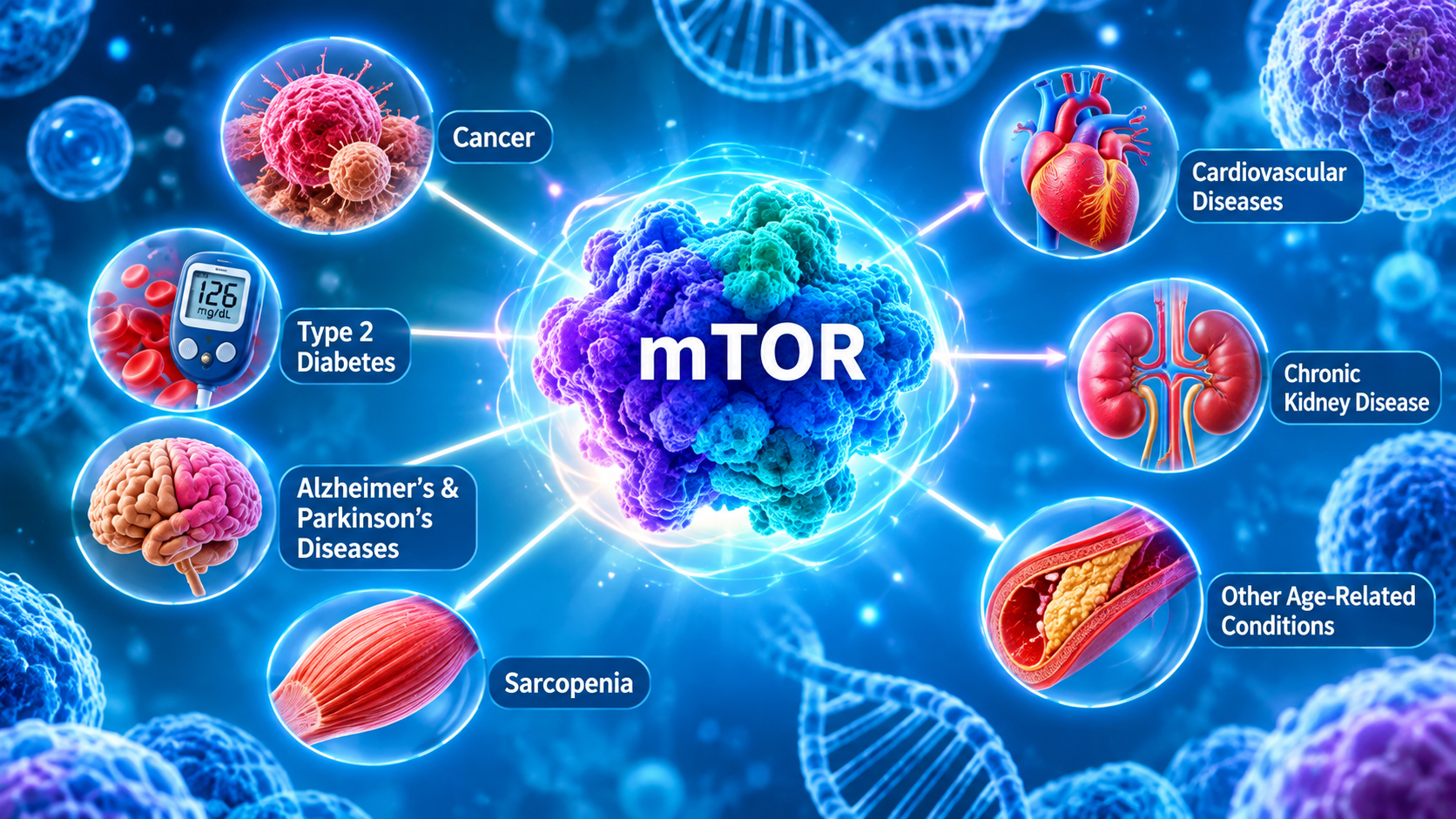
Aging is a natural biological process associated with gradual changes in the structure and function of cells, tissues, and organs. As people grow older, their risk of developing chronic diseases increases, including cancer, type 2 diabetes, cardiovascular disease, neurodegenerative disorders, and kidney disease. Although several factors contribute to these conditions, researchers have identified important biological pathways that influence both aging and age-related diseases. One of the most important is the mechanistic target of rapamycin (mTOR) signaling pathway. The mTOR pathway is a central regulator of cellular growth, metabolism, protein production, energy balance, and survival. It helps cells respond to nutrients, growth factors, and environmental conditions. During early life, mTOR activity supports normal development, tissue growth, and muscle formation. However, when mTOR signaling remains excessively active over long periods, it can contribute to several biological processes associated with aging, including chronic inflammation, reduced autophagy, cellular damage, and metabolic dysfunction.
Research suggests that excessive mTOR activity, particularly through mTOR complex 1 (mTORC1), is associated with several age-related diseases. It can influence cancer development, insulin resistance, neurodegeneration, cardiovascular problems, and kidney dysfunction. At the same time, mTOR plays essential roles in maintaining normal cellular functions, immune responses, and muscle health. Therefore, completely suppressing this pathway is neither practical nor necessarily beneficial. Understanding how mTOR works and how its activity changes with age may help researchers develop new strategies to prevent age-related diseases, support healthy aging, and potentially extend healthspan.
What Is mTOR?
The mechanistic target of rapamycin (mTOR) is a protein kinase that acts as an important regulator of cell growth, metabolism, and survival. It belongs to a group of enzymes called serine/threonine kinases, which control cellular activities by adding phosphate groups to other proteins. The mTOR pathway helps cells determine whether conditions are suitable for growth, repair, and protein production. It receives signals from nutrients, amino acids, insulin, growth factors, oxygen availability, and cellular energy levels. Based on these signals, it adjusts cellular activities to meet the body’s needs.
For example, when sufficient nutrients and energy are available, mTOR signaling increases protein synthesis and supports cell growth. When nutrients are limited, mTOR activity generally decreases, allowing cells to conserve energy and activate maintenance processes such as autophagy. The mTOR pathway is particularly important in aging because its activity influences several processes associated with cellular health, including protein balance, mitochondrial function, inflammation, and cellular waste removal.
The Two Main mTOR Complexes
The mTOR protein functions through two major complexes: mTOR complex 1 (mTORC1) and mTOR complex 2 (mTORC2). Although they share the same central protein, they perform different functions in the body.
mTORC1: mTORC1 is the best-studied complex in aging research. It responds to amino acids, growth factors, energy availability, and other environmental signals. Its primary functions include stimulating protein synthesis, promoting cell growth, regulating lipid metabolism, and controlling autophagy. When mTORC1 is activated, it increases protein production through downstream proteins such as S6 kinase (S6K1) and 4E-binding protein 1 (4E-BP1). These proteins help regulate the cellular machinery responsible for producing new proteins. However, excessive mTORC1 activity can reduce autophagy, allowing damaged proteins and cellular components to accumulate. This may contribute to cellular dysfunction and age-related diseases.
mTORC2: mTORC2 regulates several other important cellular functions, including cell survival, glucose metabolism, insulin signaling, and cytoskeletal organization. It also influences the activity of proteins such as AKT, which plays an important role in cell growth and metabolism. Unlike mTORC1, mTORC2 is less directly controlled by amino acid availability. It also has different relationships with aging and disease. For example, mTORC2 supports insulin sensitivity in certain tissues, and disrupting its activity can produce metabolic problems. Both complexes are important for normal biological functions. However, their activities need to remain properly regulated to maintain cellular health.
How Does mTOR Contribute to Aging?
The relationship between mTOR and aging has become an important area of longevity research. Studies in organisms such as yeast, worms, fruit flies, and mice have shown that reducing certain aspects of mTOR signaling can extend lifespan under experimental conditions. One reason is that excessive mTOR activity can shift cellular priorities toward growth and protein production rather than maintenance and repair. As people age, several biological changes occur that can influence the mTOR pathway. These include altered nutrient signaling, insulin resistance, chronic inflammation, mitochondrial dysfunction, and changes in cellular energy production. The following mechanisms help explain how mTOR activity may contribute to the aging process.
1. Reduced Autophagy and Accumulation of Cellular Damage
Autophagy is a natural cellular recycling process that removes damaged proteins, dysfunctional organelles, and other unwanted cellular materials. It allows cells to break down these components and reuse their building blocks. This process is particularly important during aging because damaged proteins and organelles can accumulate over time. If cells cannot remove this waste efficiently, their normal functions may gradually deteriorate.
mTORC1 is one of the major regulators of autophagy. When mTORC1 is highly active, it suppresses the initiation of autophagy through proteins involved in the ULK1 signaling complex. As a result, excessive mTORC1 signaling may reduce the removal of damaged mitochondria and misfolded proteins. This can contribute to oxidative stress, cellular dysfunction, and inflammation. Reduced autophagy is particularly relevant to neurodegenerative diseases because brain cells depend on effective waste-removal systems to maintain their health.
2. Increased Cellular Senescence
Cellular senescence is a biological condition in which damaged or stressed cells permanently stop dividing but remain metabolically active. Senescent cells can accumulate in different tissues as people grow older. Instead of functioning normally, they may release inflammatory molecules, growth factors, and enzymes. This collection of substances is known as the senescence-associated secretory phenotype (SASP).
mTOR signaling can influence the development and maintenance of the senescent state. In particular, mTORC1 can support the production of inflammatory proteins and other components of the SASP. As senescent cells accumulate, they may contribute to chronic low-grade inflammation, tissue damage, and impaired organ function. This process is sometimes called inflammaging, which refers to the gradual increase in chronic inflammation associated with aging.
3. Mitochondrial Dysfunction and Oxidative Stress
Mitochondria are the structures responsible for producing most of the energy required by cells. They also participate in metabolism, cell signaling, and programmed cell death. Healthy mitochondrial function is essential for maintaining muscle strength, brain function, heart health, and overall cellular activity.
mTOR signaling influences mitochondrial metabolism, biogenesis, and protein production. However, prolonged excessive mTORC1 activity can interfere with cellular maintenance and mitochondrial quality control. When damaged mitochondria are not removed efficiently through mitophagy, they may produce excessive reactive oxygen species (ROS). These molecules can damage DNA, proteins, and cellular membranes. Over time, mitochondrial dysfunction and oxidative stress may contribute to several age-related conditions, including cardiovascular disease, neurodegeneration, and metabolic disorders.
4. Increased Chronic Inflammation
Chronic inflammation is one of the major characteristics of biological aging. Unlike acute inflammation, which helps the body respond to infections and injuries, chronic inflammation can persist at low levels for years. mTOR signaling interacts with several inflammatory pathways, including nuclear factor-kappa B (NF-κB), which regulates the expression of many inflammatory genes.
Excessive mTOR activity may support inflammatory responses by influencing immune-cell metabolism, cytokine production, and cellular senescence. This relationship is important because persistent inflammation can damage healthy tissues and increase the risk of developing age-related diseases.
5. Disruption of Protein Homeostasis
Protein homeostasis, also known as proteostasis, refers to the balance between protein production, folding, repair, and removal. Cells need properly functioning proteins to carry out essential biological activities. However, damaged and misfolded proteins can accumulate as people age.
mTORC1 promotes protein synthesis, which is essential for growth and tissue repair. However, excessive activity combined with reduced autophagy may disrupt the balance between protein production and removal. This imbalance can contribute to the accumulation of abnormal proteins in tissues, particularly in the brain, where protein aggregation is associated with several neurodegenerative diseases.
The Role of mTOR in Major Age-Related Diseases
Age-related diseases develop through complex interactions between genetics, environmental factors, metabolism, inflammation, and cellular damage. As people grow older, their cells gradually experience changes that can affect normal biological functions, including energy production, protein regulation, tissue repair, and immune responses. The mechanistic target of rapamycin (mTOR) pathway is involved in many of these processes because it regulates cellular growth, metabolism, protein synthesis, and survival.
The mTOR pathway is particularly important because it connects nutrient availability and growth signals with cellular activities that influence long-term health. When mTOR signaling becomes excessively active or poorly regulated, it may contribute to several biological changes associated with aging, including reduced autophagy, chronic inflammation, mitochondrial dysfunction, and abnormal cell growth. These changes can increase vulnerability to different age-related diseases. Understanding the relationship between mTOR and these conditions may help researchers identify new approaches to disease prevention, treatment and healthy aging.
1. mTOR and Cancer
Cancer is one of the most extensively studied diseases associated with abnormal mTOR signaling. It develops when cells acquire genetic or molecular changes that allow them to grow and divide uncontrollably. The mTOR pathway plays an important role in regulating cell growth, protein production, metabolism, and survival. When this pathway becomes excessively activated, it can create conditions that support tumor development and progression. This is particularly important because cancer cells require continuous supplies of proteins, nutrients, and energy to maintain their rapid growth. Abnormal mTOR signaling can help provide the cellular conditions needed for these activities.
mTORC1 promotes protein synthesis and cellular growth by activating downstream proteins such as S6 kinase 1 (S6K1) and 4E-binding protein 1 (4E-BP1). These proteins regulate the cellular machinery responsible for producing new proteins, which are essential for cell growth and division. When mTORC1 remains highly active, protein production can increase and support the rapid multiplication of abnormal cells. This activity may also help cancer cells adapt to stressful conditions within the tumor environment. As a result, excessive mTORC1 signaling can contribute to tumor growth and progression.
In many cancers, the PI3K-AKT-mTOR signaling pathway becomes abnormally activated because of genetic mutations or changes in upstream signaling proteins. This pathway normally helps cells respond to growth factors and nutrient availability. However, when its regulatory mechanisms become disrupted, cells may receive continuous signals to grow and survive even when those signals are no longer appropriate. These changes can contribute to uncontrolled cell proliferation and abnormal tissue development. Researchers have identified this pathway as an important molecular target in several types of cancer.
For example, mutations affecting the tumor suppressor PTEN can increase AKT activity, which may lead to increased mTOR signaling. PTEN normally helps control the PI3K-AKT pathway and prevents excessive cellular growth signals. When PTEN function is lost or reduced, the pathway can become overactive, allowing abnormal cells to grow and survive more easily. Similarly, changes in other proteins that regulate mTOR activity can contribute to uncontrolled cell growth. These genetic alterations demonstrate how disruption of normal cellular signaling can increase the risk of cancer development.
Excessive mTOR activity can contribute to cancer through several important mechanisms:
- Increased cell proliferation: mTORC1 stimulates protein synthesis and cellular growth, supporting the rapid multiplication of cancer cells. It activates proteins that help produce the materials required for cell division and tissue expansion. When these signals remain continuously active, abnormal cells may multiply more rapidly than normal. This can contribute to tumor formation and increase the potential for cancer progression.
- Enhanced cell survival: The mTOR pathway influences several signaling mechanisms that help cells survive under stressful conditions. Cancer cells often experience limited oxygen, nutrient shortages, and other environmental challenges as tumors grow. Increased mTOR-related signaling can support cellular adaptation and survival mechanisms, allowing some abnormal cells to remain alive. This may make it easier for tumors to continue developing despite unfavorable conditions.
- Increased nutrient metabolism: Cancer cells require large amounts of nutrients and energy to support their rapid growth and division. The mTOR pathway helps regulate how cells use glucose, amino acids, and other nutrients to produce energy and cellular building materials. Increased mTOR activity can support metabolic changes that allow cancer cells to maintain their growth requirements. These changes can help tumors adapt to their surrounding environment and continue expanding.
- Tumor development and progression: Abnormal mTOR signaling can contribute to different stages of cancer development by promoting cell growth, protein synthesis, and survival. It may also influence the tumor microenvironment, which includes blood vessels, immune cells, and surrounding tissues that interact with cancer cells. These interactions can affect how tumors develop and respond to treatment. Therefore, mTOR signaling is considered an important part of the molecular processes involved in several cancers.
The potential role of mTOR inhibitors in cancer treatment:
Because mTOR signaling is frequently overactive in certain cancers, researchers have developed medications that target this pathway. These medications are known as mTOR inhibitors and are designed to reduce abnormal growth-related signaling inside cells. By blocking mTOR activity, they can interfere with protein production and other processes that cancer cells depend on for growth and survival. This makes the pathway an important target in modern cancer research and treatment.
Rapamycin, also known as sirolimus, and its derivatives, including everolimus and temsirolimus, are examples of mTOR inhibitors used in certain cancer treatments. These medications work by reducing mTORC1 activity, which can slow down the production of proteins required for cancer-cell growth. They have been used in selected cancers, including certain kidney cancers and other tumors with specific molecular characteristics. Their use depends on the cancer type, disease stage, and individual treatment requirements.
These medications can slow the growth of some tumors by reducing mTOR-dependent cellular activities. However, their effectiveness depends on the cancer type, molecular characteristics, and treatment context. Some cancer cells can activate alternative signaling pathways that allow them to continue growing despite mTOR inhibition. Therefore, researchers are investigating combination therapies and more selective treatments to improve the effectiveness of mTOR-targeting medications.
2. mTOR and Type 2 Diabetes
Type 2 diabetes is a metabolic disease characterized by insulin resistance and elevated blood glucose levels. It becomes more common with age and is associated with several factors, including excess body fat, physical inactivity, genetic susceptibility, and changes in metabolic regulation. In people with this condition, the body’s cells do not respond properly to insulin, making it difficult for glucose to enter cells and be used for energy. Over time, the pancreas may also struggle to produce enough insulin to maintain normal blood glucose levels. The mTOR pathway is an important regulator of several biological processes involved in this condition.
The mTOR pathway plays an important role in controlling glucose metabolism, insulin signaling, and nutrient utilization. It helps cells respond to changes in nutrient availability and growth-factor signals, allowing the body to adjust its metabolic activities. Under normal conditions, mTOR signaling supports protein production, cell growth, and metabolic regulation. However, when nutrient availability remains excessively high for long periods, mTORC1 may become persistently activated. This can interfere with normal insulin signaling and contribute to metabolic dysfunction.
One important mechanism involves S6 kinase 1 (S6K1). When mTORC1 remains highly active, S6K1 can promote inhibitory feedback on insulin receptor substrate proteins (IRS). These proteins are important for transmitting insulin signals inside cells and helping the body regulate glucose metabolism. Excessive S6K1 activity can reduce the effectiveness of IRS signaling, making cells less responsive to insulin. Over time, this feedback mechanism may contribute to insulin resistance, which is one of the main characteristics of type 2 diabetes.
When this feedback becomes excessive, insulin signaling may become less effective, contributing to insulin resistance. As a result, muscle and other tissues may become less efficient at taking up glucose from the bloodstream. This can cause blood glucose levels to remain elevated, particularly after meals. Although mTOR activity is not the only cause of insulin resistance, its interaction with nutrient and insulin signaling makes it an important part of metabolic research.
Other important relationships between mTOR signaling and type 2 diabetes include the following:
- Insulin signaling disruption: Excessive mTORC1-S6K1 activity can interfere with the pathways that allow cells to respond properly to insulin. Under normal conditions, insulin activates signaling proteins that help cells absorb and use glucose. However, prolonged activation of mTORC1 can produce inhibitory feedback that reduces the effectiveness of these signals. This may make it more difficult for the body to maintain normal blood glucose levels and increase the risk of insulin resistance.
- Metabolic imbalance: Persistent nutrient overload can increase mTOR activity and contribute to disturbances in glucose and lipid metabolism. When the body receives more energy than it requires over long periods, it may experience changes in fat storage, glucose utilization, and metabolic regulation. Excessive mTOR signaling can interact with these processes and contribute to abnormal nutrient handling. These metabolic changes may increase the risk of obesity, insulin resistance, and other metabolic disorders.
- Pancreatic beta-cell function: mTOR has an important role in pancreatic beta-cell growth and function. These specialized cells produce insulin, which helps regulate blood glucose levels. Appropriate mTOR activity supports beta-cell development, survival, and insulin production, particularly when the body requires greater insulin output. However, excessive or insufficient signaling can impair beta-cell health depending on the duration and biological context. Maintaining balanced mTOR activity is therefore important for normal pancreatic function.
- Obesity-related inflammation: Excessive nutrient intake, metabolic dysfunction, and chronic inflammation can interact with mTOR signaling and increase the risk of insulin resistance. Obesity, particularly the accumulation of visceral fat, is associated with the release of inflammatory molecules that can interfere with normal metabolic processes. These inflammatory signals may affect insulin sensitivity and alter the regulation of mTOR-related pathways. Over time, the combination of inflammation and metabolic dysfunction can increase the likelihood of developing type 2 diabetes.
Therefore, the relationship between mTOR and diabetes is complex because the pathway can support normal metabolic functions but may also contribute to insulin resistance when its activity becomes poorly regulated. Its effects depend on nutrient availability, tissue type, insulin signaling, and overall metabolic health. Maintaining balanced nutrient intake, regular physical activity, and a healthy body weight can help support normal metabolic regulation. Researchers continue to investigate how mTOR-related pathways may provide new opportunities for preventing and treating metabolic diseases.
3. mTOR and Alzheimer’s Disease
Alzheimer’s disease is a progressive neurodegenerative disorder that primarily affects memory, thinking, learning, and other cognitive functions. It is strongly associated with aging and involves the gradual deterioration of brain cells and communication between neurons. One of the major characteristics of this disease is the accumulation of abnormal proteins in the brain, which interferes with normal neuronal activity. As the disease progresses, individuals may experience memory loss, confusion, difficulty performing daily activities, and changes in behavior. Researchers have identified mTOR signaling as an important pathway that may influence several biological processes involved in Alzheimer’s disease.
Two important features of Alzheimer’s disease are the accumulation of beta-amyloid plaques outside neurons and abnormal tau protein tangles inside neurons. Beta-amyloid proteins can accumulate and form plaques that interfere with communication between brain cells. Tau proteins normally help stabilize the internal structure of neurons, but abnormal changes can cause them to form tangled structures. These protein abnormalities are associated with neuronal damage and progressive cognitive decline. The cellular processes responsible for producing, processing, and removing these proteins are therefore important areas of Alzheimer’s research.
Researchers have identified mTOR signaling as an important regulator of protein metabolism and cellular waste removal in the brain. The brain requires a continuous supply of properly functioning proteins to support communication between neurons, memory formation, and other cognitive activities. The mTOR pathway helps regulate protein production and several cellular maintenance processes. However, excessive mTORC1 activity may interfere with the balance between protein production and removal. This can affect the ability of neurons to maintain their normal functions over time.
Under normal conditions, mTOR helps neurons maintain protein production and cellular function. However, excessive mTORC1 activity can suppress autophagy, which is responsible for removing unwanted proteins and damaged cellular components. Autophagy is particularly important in the brain because neurons are long-lived cells that must maintain their internal structures for many years. When mTORC1 remains highly active, the initiation of autophagy may become less effective. This can reduce the ability of brain cells to remove damaged proteins and maintain normal cellular health.
When autophagy becomes less effective, abnormal proteins may accumulate inside brain cells. These unwanted proteins can interfere with cellular processes, damage important structures, and affect communication between neurons. The accumulation of abnormal proteins is particularly concerning in neurodegenerative diseases because neurons have limited ability to replace themselves. Reduced cellular waste removal may therefore contribute to the gradual deterioration of brain function associated with Alzheimer’s disease.
Several mechanisms connect mTOR with Alzheimer’s disease:
- Reduced autophagy: Excessive mTORC1 signaling may suppress autophagy, making it more difficult for neurons to remove damaged proteins and other cellular waste. This can interfere with the brain’s natural cellular cleaning system and allow unwanted materials to accumulate over time. Because neurons depend on effective waste removal to maintain their structure and function, reduced autophagy may increase their vulnerability to damage. This mechanism is one of the major reasons researchers are investigating mTOR regulation as a potential approach to protecting brain health.
- Beta-amyloid accumulation: Impaired cellular clearance mechanisms may contribute to the accumulation of beta-amyloid and other abnormal proteins. When the processes responsible for breaking down and removing unwanted proteins become less effective, beta-amyloid may accumulate in the brain. These protein deposits can interfere with communication between neurons and contribute to changes in brain tissue. Although mTOR-related autophagy dysfunction is one possible contributing mechanism, beta-amyloid accumulation also depends on other processes, including protein production and clearance outside neurons.
- Tau protein abnormalities: mTOR-related signaling can influence tau protein metabolism and phosphorylation, potentially contributing to the development of neurofibrillary tangles. Tau normally helps maintain the internal structure of neurons by stabilizing microtubules, which support the transport of materials within cells. However, abnormal phosphorylation can cause tau to separate from microtubules and form aggregates inside neurons. Changes in mTOR-related signaling may influence these processes and contribute to abnormal tau accumulation. These changes may interfere with neuronal communication and increase the risk of cellular damage.
- Neuroinflammation: Abnormal mTOR activity can influence inflammatory responses in brain cells, including microglia, which participate in immune defense and waste clearance. Microglia normally help protect the brain by identifying damaged cells, removing unwanted materials, and responding to infections or injuries. However, prolonged inflammatory activation can cause these cells to release substances that may damage healthy neurons. Changes in mTOR signaling can influence microglial metabolism and inflammatory activity, potentially contributing to the chronic neuroinflammation associated with Alzheimer’s disease.
- Synaptic dysfunction: Changes in mTOR signaling can affect protein production at synapses, which are essential for communication between neurons and memory formation. Synapses require carefully regulated protein synthesis to maintain their structure and support learning-related changes in the brain. When mTOR activity becomes abnormal, it may disrupt the balance of proteins needed for normal synaptic function. This can affect neuronal communication, memory formation, and cognitive performance. Maintaining appropriate mTOR activity is therefore important for supporting healthy brain function.
These findings suggest that mTOR regulation may be important in Alzheimer’s disease because the pathway influences autophagy, protein metabolism, inflammation, and neuronal communication. Researchers are investigating whether controlling excessive mTORC1 activity could improve cellular waste removal and protect neurons from damage. However, Alzheimer’s disease develops through several interacting biological mechanisms, including genetic factors, abnormal protein processing, vascular changes, and immune dysfunction. Researchers have not established that excessive mTOR activity is the single cause of the disease, and mTOR-targeting treatments are not currently established therapies for Alzheimer’s disease.
4. mTOR and Parkinson’s Disease
Parkinson’s disease is another age-related neurodegenerative disorder that mainly affects movement and develops as dopamine-producing neurons in a region of the brain called the substantia nigra gradually deteriorate. Dopamine is an important chemical messenger that helps regulate movement, coordination, and other neurological functions. As dopamine-producing neurons are lost, the brain becomes less able to control normal movements. The risk of Parkinson’s disease increases with age, although genetics, environmental exposures, and other biological factors can also contribute to its development.
Common symptoms include tremors, muscle stiffness, slowed movement, balance difficulties, and changes in posture. Some individuals may also experience sleep disturbances, constipation, depression, and cognitive changes. These symptoms develop gradually and can become more noticeable as the disease progresses. Although the exact causes of Parkinson’s disease are not fully understood, researchers have identified several cellular processes associated with the degeneration of dopamine-producing neurons.
One of the important biological characteristics of Parkinson’s disease is the accumulation of abnormal alpha-synuclein proteins, which form structures called Lewy bodies. Alpha-synuclein is normally involved in the functioning of nerve cells, particularly in processes related to neurotransmitter release. However, when this protein misfolds and accumulates abnormally, it can interfere with neuronal function and contribute to cellular damage. The ability of brain cells to remove abnormal proteins is therefore important for maintaining neuronal health.
The mTOR pathway may influence Parkinson’s disease through its effects on autophagy, mitochondrial function, and protein clearance. Under normal conditions, these processes help neurons remove damaged cellular components and maintain energy production. However, excessive mTORC1 activity may suppress autophagy and interfere with the removal of abnormal proteins. Because dopamine-producing neurons have high energy requirements, they may be particularly vulnerable to mitochondrial dysfunction and oxidative stress. These mechanisms have made mTOR an important subject of investigation in Parkinson’s disease research.
- Impaired removal of abnormal proteins: Excessive mTORC1 activity can suppress autophagy, potentially reducing the removal of abnormal alpha-synuclein proteins. When the cellular recycling system becomes less effective, misfolded proteins may accumulate inside neurons and interfere with their normal activities. Over time, this accumulation can increase cellular stress and contribute to neuronal dysfunction. Improving protein clearance through properly regulated autophagy is therefore an important research direction for understanding and potentially treating Parkinson’s disease.
- Mitochondrial dysfunction: Damaged mitochondria can accumulate in neurons when mitochondrial quality-control processes become less effective. Mitochondria are responsible for producing the energy required for normal cellular activities, and dopamine-producing neurons depend heavily on efficient energy production. When damaged mitochondria remain inside cells, they may produce excessive reactive oxygen species that can damage proteins, DNA, and cellular membranes. Changes in mTOR signaling and autophagy may influence the removal of these damaged mitochondria, potentially contributing to oxidative stress and neuronal degeneration.
- Neuronal survival: mTOR signaling influences several pathways involved in neuronal growth and survival. Under normal conditions, appropriate mTOR activity supports protein synthesis and helps maintain the structures required for healthy neurons. However, excessive or insufficient activity can both be harmful depending on the cellular context. Too much activity may suppress cellular maintenance processes, while insufficient activity may interfere with essential protein production and neuronal repair. Maintaining balanced signaling is therefore important for protecting brain cells.
- Neuroinflammation: Changes in mTOR signaling can influence immune-cell activity in the brain, potentially affecting inflammation and neuronal health. Microglia are important immune cells that help protect the nervous system by removing damaged materials and responding to harmful substances. However, prolonged activation of these cells can increase the production of inflammatory molecules that may damage surrounding neurons. Abnormal mTOR activity may influence these inflammatory responses and contribute to the cellular environment associated with Parkinson’s disease.
Researchers are investigating whether regulating mTOR and improving autophagy could help protect dopamine-producing neurons and reduce the accumulation of abnormal proteins. Experimental studies have suggested that manipulating these pathways may influence neuronal health and cellular waste removal. However, the effects of mTOR regulation are complex, and different levels of activity may produce different results in brain cells. Rapamycin and other mTOR-targeting approaches remain experimental for Parkinson’s disease and are not established treatments for preventing or reversing the condition.
5. mTOR and Cardiovascular Diseases
Cardiovascular diseases include conditions affecting the heart and blood vessels, such as atherosclerosis, heart failure, coronary artery disease, and hypertension. These conditions are major causes of illness and death worldwide, particularly among older adults. Aging increases cardiovascular risk because blood vessels gradually lose flexibility, inflammation can increase, and the heart may become more vulnerable to cellular damage. Changes in metabolism, mitochondrial function, and cellular repair can also affect the ability of the cardiovascular system to maintain normal function.
The mTOR pathway participates in several processes that influence cardiovascular health, including vascular cell growth, metabolism, inflammation, and tissue repair. It helps regulate the growth and survival of different types of cardiovascular cells, including heart muscle cells and vascular smooth muscle cells. Under normal conditions, these activities are necessary for maintaining healthy tissues and responding to physical stress. However, excessive or poorly regulated mTOR signaling may contribute to abnormal cell growth, inflammation, and changes in the structure of the heart and blood vessels.
- Atherosclerosis: Atherosclerosis develops when fatty deposits, cholesterol, inflammatory cells, and other substances accumulate inside artery walls. Over time, these deposits form plaques that can narrow the arteries and reduce blood flow to important organs. mTOR signaling can influence vascular smooth muscle cell proliferation, immune-cell activity, and inflammatory processes involved in plaque development. Excessive signaling may encourage abnormal cell growth within artery walls and contribute to changes in plaque structure. These processes can increase the risk of cardiovascular complications, including heart attacks and strokes.
- Endothelial dysfunction: The endothelium is the thin layer of cells lining blood vessels. It helps regulate blood flow, blood pressure, and vascular health by controlling the expansion and contraction of blood vessels and maintaining communication with surrounding tissues. Abnormal mTOR signaling may contribute to endothelial dysfunction and impaired vascular regulation. It can influence inflammatory responses, cellular metabolism, and the production of substances that help blood vessels remain healthy. When endothelial function becomes impaired, blood vessels may become less flexible and more vulnerable to atherosclerosis and other cardiovascular problems.
- Heart failure: Heart failure is a condition in which the heart cannot pump blood effectively enough to meet the body’s needs. Cardiac muscle cells depend on balanced protein synthesis, energy production, and cellular maintenance to maintain normal heart function. Excessive mTOR activity may contribute to abnormal cardiac growth and remodeling under certain conditions, particularly when the heart experiences prolonged stress. These changes can affect the structure and performance of heart muscle tissue. However, insufficient mTOR activity can also interfere with the maintenance and survival of cardiac cells, demonstrating the importance of proper regulation.
- Cardiac hypertrophy: Cardiac hypertrophy refers to an increase in the size of heart muscle cells. It can occur as a normal adaptation to increased physical demands, but it may also develop in response to high blood pressure or other forms of prolonged cardiovascular stress. mTORC1 stimulates protein synthesis and cell growth, making it an important regulator of cardiac muscle development. Persistent activation can contribute to enlargement of heart muscle cells, particularly in response to pathological stress. When this growth becomes excessive, it may lead to structural changes that reduce the heart’s ability to function efficiently.
However, mTOR is also essential for normal heart function. Appropriate signaling supports cardiac cell growth, protein production, energy regulation, and tissue maintenance. Insufficient signaling can impair cardiac growth, repair, and survival, while excessive activity may contribute to abnormal heart enlargement and remodeling. This makes balanced mTOR activity important for maintaining cardiovascular health. Researchers continue to investigate how regulating this pathway could help protect the heart and blood vessels against age-related damage.
6. mTOR and Chronic Kidney Disease
Chronic kidney disease (CKD) is a long-term condition in which the kidneys gradually lose their ability to filter waste products and maintain fluid and electrolyte balance. Healthy kidneys perform several essential functions, including removing waste from the blood, regulating blood pressure, controlling mineral levels, and maintaining the body’s fluid balance. When kidney function declines, harmful substances can accumulate in the body and affect other organs. The risk of CKD increases with age, diabetes, hypertension, and cardiovascular disease, making it an important health concern among older adults.
The mTOR pathway influences kidney-cell growth, metabolism, inflammation, and tissue repair. Kidney cells require carefully regulated growth and maintenance processes to preserve the structure and function of the filtering units known as nephrons. Under normal conditions, mTOR signaling helps support cellular metabolism and tissue repair following injury. However, when its activity becomes abnormal, it may contribute to kidney damage, excessive cell growth, and fibrosis. These changes can gradually interfere with the kidneys’ ability to perform their normal functions.
Several mechanisms connect mTOR signaling with chronic kidney disease:
- Excessive cell growth: Abnormal mTORC1 activation can promote excessive growth and proliferation of certain kidney cells. Although cell growth is necessary for repairing damaged tissues, uncontrolled activity may interfere with the normal structure of kidney tissue. Excessive cellular growth can also contribute to changes in the filtering structures and surrounding tissues. Over time, these changes may reduce the kidneys’ ability to maintain normal filtration and fluid balance.
- Kidney fibrosis: Fibrosis occurs when excessive connective tissue accumulates in the kidneys, gradually replacing healthy tissue and reducing organ function. It is one of the major processes involved in the progression of chronic kidney disease. mTOR signaling can influence pathways involved in fibroblast activation, collagen production, and tissue remodeling. When these processes become excessive, scar tissue may gradually replace functional kidney tissue. This can contribute to the progressive loss of kidney function and increase the risk of advanced kidney disease.
- Inflammation: Abnormal mTOR activity can influence inflammatory signaling and contribute to chronic kidney injury. Inflammation is part of the body’s natural response to tissue damage, but prolonged inflammatory activity can harm healthy kidney cells. It may increase the production of inflammatory molecules and activate pathways that promote tissue damage and fibrosis. These changes can create a cycle of inflammation and injury that gradually affects kidney function.
- Impaired autophagy: Reduced autophagy may allow damaged proteins and organelles to accumulate in kidney cells, contributing to cellular stress. Kidney cells depend on this recycling process to remove unwanted materials and maintain their internal structures. When mTORC1 activity suppresses autophagy, the removal of damaged mitochondria and abnormal proteins may become less effective. This can increase oxidative stress and interfere with normal kidney-cell function, potentially contributing to disease progression.
mTOR inhibitors have been studied in different kidney conditions because they can reduce excessive cell growth and influence inflammatory and fibrotic processes. However, their effects depend on the specific kidney disease, treatment duration, and individual medical circumstances. These medications can also cause side effects, including impaired wound healing, elevated blood lipids, and proteinuria, which refers to an abnormal amount of protein in the urine. Therefore, mTOR inhibition is not a universal treatment for chronic kidney disease, and further research is needed to identify appropriate therapeutic applications.
7. mTOR and Sarcopenia
Researchers characterize sarcopenia as an age-related condition involving the progressive loss of skeletal muscle mass, strength, and physical performance. It commonly develops as people grow older and can affect their ability to perform everyday activities, including walking, climbing stairs, lifting objects, and maintaining balance. It can increase the risk of falls, fractures, mobility problems, disability, and loss of independence among older adults. Several factors contribute to sarcopenia, including physical inactivity, inadequate protein intake, hormonal changes, chronic inflammation, and mitochondrial dysfunction.
The mTOR pathway is particularly important for skeletal muscle because it regulates muscle protein synthesis. Muscle tissue constantly undergoes a process in which old proteins are broken down and new proteins are produced to maintain muscle structure and function. mTORC1 helps control this process by stimulating the production of proteins required for muscle growth and repair. When this pathway responds appropriately to nutrition and exercise, it helps maintain muscle mass and physical strength.
When people consume protein or perform resistance exercise, amino acids and mechanical signals can activate mTORC1. This stimulates the production of new muscle proteins and supports muscle repair and growth. Certain amino acids, particularly leucine, play an important role in activating mTORC1 after protein consumption. Resistance training also provides mechanical signals that stimulate muscle protein synthesis. Together, adequate protein intake and regular strength training help maintain muscle tissue and reduce the risk of age-related muscle loss.
However, mTOR regulation changes with aging. Older adults may develop anabolic resistance, a condition in which muscles respond less effectively to protein intake and exercise-related growth signals. This means that the same amount of protein or exercise stimulus may produce a smaller muscle-building response in an older person compared with a younger individual. As a result, maintaining muscle mass may become more difficult with age. Changes in mTOR signaling, inflammation, physical activity, and muscle metabolism may all contribute to this process.
Several factors contribute to age-related changes in muscle protein synthesis:
- Reduced sensitivity to amino acids and anabolic signals: As people age, skeletal muscles may become less responsive to amino acids, particularly leucine, which normally helps activate mTORC1. This condition reduces the effectiveness of protein intake in stimulating muscle protein synthesis. Consequently, older adults may require greater attention to adequate protein intake and its distribution throughout the day. Improving nutritional quality and combining protein intake with resistance exercise may help support muscle maintenance.
- Physical inactivity and insufficient resistance exercise: Regular physical activity provides important signals that stimulate muscle protein synthesis and maintain muscle strength. When people remain inactive for long periods, muscle-building signals become less frequent, while muscle protein breakdown may continue. This can accelerate the loss of muscle mass and contribute to sarcopenia. Resistance training is particularly important because it activates mTORC1 in skeletal muscle and helps maintain the body’s ability to produce new muscle proteins.
- Chronic inflammation and metabolic dysfunction: Aging is often associated with low-grade chronic inflammation, which can interfere with normal muscle metabolism and recovery. Inflammatory molecules may contribute to muscle protein breakdown and reduce the body’s ability to respond effectively to anabolic signals. Metabolic conditions such as insulin resistance can also interfere with the processes that support muscle maintenance. Together, these changes may weaken the balance between muscle protein synthesis and breakdown, increasing the risk of sarcopenia.
- Mitochondrial dysfunction and impaired muscle recovery: Mitochondria produce the energy required for muscle contraction, recovery, and other cellular activities. As people age, mitochondrial function may decline, reducing the efficiency of energy production and increasing oxidative stress. Damaged mitochondria can also interfere with muscle-cell maintenance and contribute to fatigue and reduced physical performance. These changes may make it more difficult for older adults to recover from physical activity and maintain healthy muscle tissue.
- Changes in hormonal signaling: Hormones such as testosterone, growth hormone, and insulin-like growth factor 1 (IGF-1) influence muscle growth, repair, and protein metabolism. Their levels or biological effects may change with age, potentially reducing the signals that support muscle maintenance. These hormonal changes can interact with mTOR signaling and contribute to reduced muscle protein synthesis. However, hormonal changes are only one part of the complex biological processes involved in sarcopenia.
Although excessive mTOR activity can be harmful in certain tissues, insufficient muscle protein synthesis can also contribute to muscle loss. This demonstrates why mTOR should not simply be suppressed throughout the body. Healthy muscle maintenance requires appropriate mTOR activation in response to protein intake and physical activity. Regular resistance training, sufficient dietary protein, and adequate recovery can help support this process and maintain physical function during aging.
8. mTOR and Age-Related Immune Dysfunction
The immune system gradually changes with age, affecting the body’s ability to protect itself against infections, abnormal cells, and other harmful substances. This process is known as immunosenescence and can reduce the effectiveness of immune responses. Older adults may become more vulnerable to infections, experience weaker responses to certain vaccines, and have a reduced ability to eliminate abnormal or damaged cells. These changes are associated with alterations in immune-cell production, function, and communication.
At the same time, chronic inflammation may increase, contributing to inflammaging. This refers to the gradual development of persistent, low-grade inflammation that commonly occurs during aging. Inflammaging can affect several organs and tissues and is associated with conditions such as cardiovascular disease, diabetes, and neurodegenerative disorders. The interaction between immunosenescence and chronic inflammation can therefore have important consequences for long-term health.
The mTOR pathway plays an important role in immune-cell development, activation, differentiation, and metabolism. Immune cells require energy and protein production to respond to infections and coordinate protective activities. mTOR helps regulate these processes by allowing immune cells to adjust their metabolism according to their functional requirements. It influences different types of immune cells, including T cells, B cells, and macrophages. Appropriate mTOR activity is therefore necessary for maintaining effective immune responses.
For example, mTOR influences how T cells respond to infections and how immune cells develop different functional characteristics. T cells are important white blood cells that help identify and eliminate infected or abnormal cells. Their activation requires changes in cellular metabolism and protein production, which are partly regulated by mTOR signaling. The pathway also influences whether certain T cells develop into active immune cells or regulatory cells that help control inflammation. These functions demonstrate the importance of balanced mTOR activity in maintaining immune-system function.
Excessive or poorly regulated mTOR activity can contribute to immune dysfunction and chronic inflammatory signaling. Persistent activation may influence inflammatory molecule production and interfere with the normal balance between different immune-cell populations. It can also affect how immune cells respond to repeated stimulation over time. However, insufficient mTOR activity can also weaken immune-cell activation and reduce the ability to respond effectively to infections. Therefore, both excessive and inadequate signaling may negatively affect immune health.
Interestingly, some studies have investigated whether low-dose mTOR inhibitors could improve certain aspects of immune function in older adults. Researchers believe that carefully regulating mTOR activity may influence immune-cell metabolism and help restore some aspects of immune function that become less effective with aging. This has created interest in rapamycin and related medications as potential tools for studying immune aging. However, their effects depend on the dosage, treatment duration, and individual biological conditions.
Early clinical research involving rapalogs, including everolimus, has reported improvements in selected immune-response measures in older people. Some studies have examined changes in vaccine responses and immune-cell function following mTOR inhibition. These findings suggest that carefully targeted regulation of mTOR may have potential applications in age-related immune dysfunction. However, the available evidence is still limited, and these findings do not establish mTOR inhibitors as routine treatments for immune aging or as proven methods of extending human lifespan.
Why Does mTOR Activity Become Dysregulated With Age?
Several biological and environmental factors influence mTOR activity including nutrient availability, hormone signaling, energy balance, inflammation, and cellular stress. As people age, changes in these factors can affect how the mTOR pathway functions and how effectively cells regulate growth, repair, and maintenance. In younger and healthier cells, mTOR activity is carefully controlled according to the body’s needs. However, aging-related changes may disrupt this balance, sometimes leading to excessive or poorly regulated mTOR signaling. Understanding these factors helps explain why mTOR dysregulation is associated with several age-related diseases.
1. Excessive Nutrient Intake
Nutrients, particularly amino acids such as leucine, are important signals that activate the mTORC1 pathway. When sufficient nutrients are available, mTORC1 promotes protein synthesis, cellular growth, and the production of important cellular components. This activity is beneficial after meals, during muscle recovery, and when tissues need to grow or repair themselves. However, continuous nutrient excess, particularly when combined with physical inactivity and metabolic dysfunction, may contribute to prolonged mTORC1 activation. When this pathway remains active for extended periods, it can interfere with normal cellular maintenance processes, including autophagy, which helps remove damaged proteins and organelles. Over time, this imbalance may contribute to metabolic problems and other age-related health conditions. Therefore, maintaining a balanced diet and avoiding excessive calorie intake may help support healthier metabolic regulation.
2. Insulin and Growth Factor Signaling
Insulin and insulin-like growth factor 1 (IGF-1) are important hormones that regulate cellular growth, metabolism, and tissue maintenance. These hormones activate signaling pathways that can stimulate mTORC1 through proteins such as phosphoinositide 3-kinase (PI3K) and protein kinase B (AKT). Under normal conditions, these signals help cells absorb nutrients, produce proteins, and maintain healthy tissues. However, persistent activation of insulin and growth factor signaling may contribute to excessive mTOR activity in certain conditions. This can influence abnormal cell growth and may play a role in metabolic dysfunction, insulin resistance, and the development of some cancers. Aging can also change how cells respond to insulin and IGF-1, making the regulation of these pathways more complicated. The relationship between these hormones and mTOR is therefore important for understanding the connection between metabolism, aging, and age-related diseases.
3. Reduced Cellular Energy Balance
Cells constantly monitor their energy levels to determine whether they have enough resources to support growth, repair, and maintenance. Low cellular energy activates AMP-activated protein kinase (AMPK), an important energy-sensing protein. When activated, AMPK helps cells conserve energy and supports processes that maintain cellular health. It can also inhibit mTORC1 through mechanisms involving proteins such as TSC2 and Raptor, reducing unnecessary cellular growth when energy is limited. As people age, mitochondrial dysfunction and other metabolic changes can affect the production and use of cellular energy. These changes may disrupt the balance between AMPK and mTOR signaling, potentially making it harder for cells to coordinate growth with energy availability. This imbalance may contribute to reduced metabolic flexibility and impaired cellular maintenance during aging.
4. Chronic Inflammation and Cellular Stress
Chronic inflammation, oxidative stress, and cellular damage can influence mTOR signaling and contribute to age-related changes in tissue function. As people grow older, damaged cells and weakened immune regulation may increase the production of inflammatory molecules throughout the body. In some tissues, these inflammatory signals can stimulate mTOR activity, potentially creating a cycle in which inflammation and abnormal cellular growth reinforce each other. Excessive mTOR signaling may also influence immune cell activity and the production of inflammatory substances, depending on the cell type and biological conditions. Over time, this interaction between inflammation and mTOR signaling may contribute to tissue dysfunction and the development of chronic diseases. Oxidative stress can further damage proteins, DNA, and other cellular structures, increasing the demands on the body’s repair systems. Understanding this relationship is important because chronic inflammation is considered one of the major biological features associated with aging.
5. Reduced Autophagy
Autophagy is an essential cellular process that helps maintain quality control by breaking down and recycling damaged proteins, worn-out organelles, and other unwanted cellular materials. This process allows cells to remove harmful components and reuse their building blocks to support normal functions. The mTORC1 pathway acts as an important regulator of autophagy because high mTORC1 activity generally suppresses this process. When mTORC1 remains highly active for extended periods, it can reduce autophagy and limit the removal of damaged cellular components. As these materials accumulate, they may increase cellular stress and interfere with normal cell function. This problem can become more significant during aging, when the efficiency of several cellular repair and recycling systems may decline. Reduced autophagy is associated with various age-related conditions, including neurodegenerative diseases and metabolic dysfunction. Therefore, maintaining a healthy balance between mTOR activity and autophagy is important for supporting cellular health and normal tissue function.
Conclusion
Ultimately, mTOR should not be viewed as a pathway that needs to be completely switched off. It is an essential biological regulator that must remain properly balanced. Understanding how to regulate mTOR without disrupting normal cellular functions may help researchers develop new approaches to prevent age-related diseases, maintain physical and cognitive health, and improve overall longevity.